
PHASE_01
Why spalling escalates on Highveld buildings
Carbonation, chlorides, and moisture paths all attack steel inside concrete.
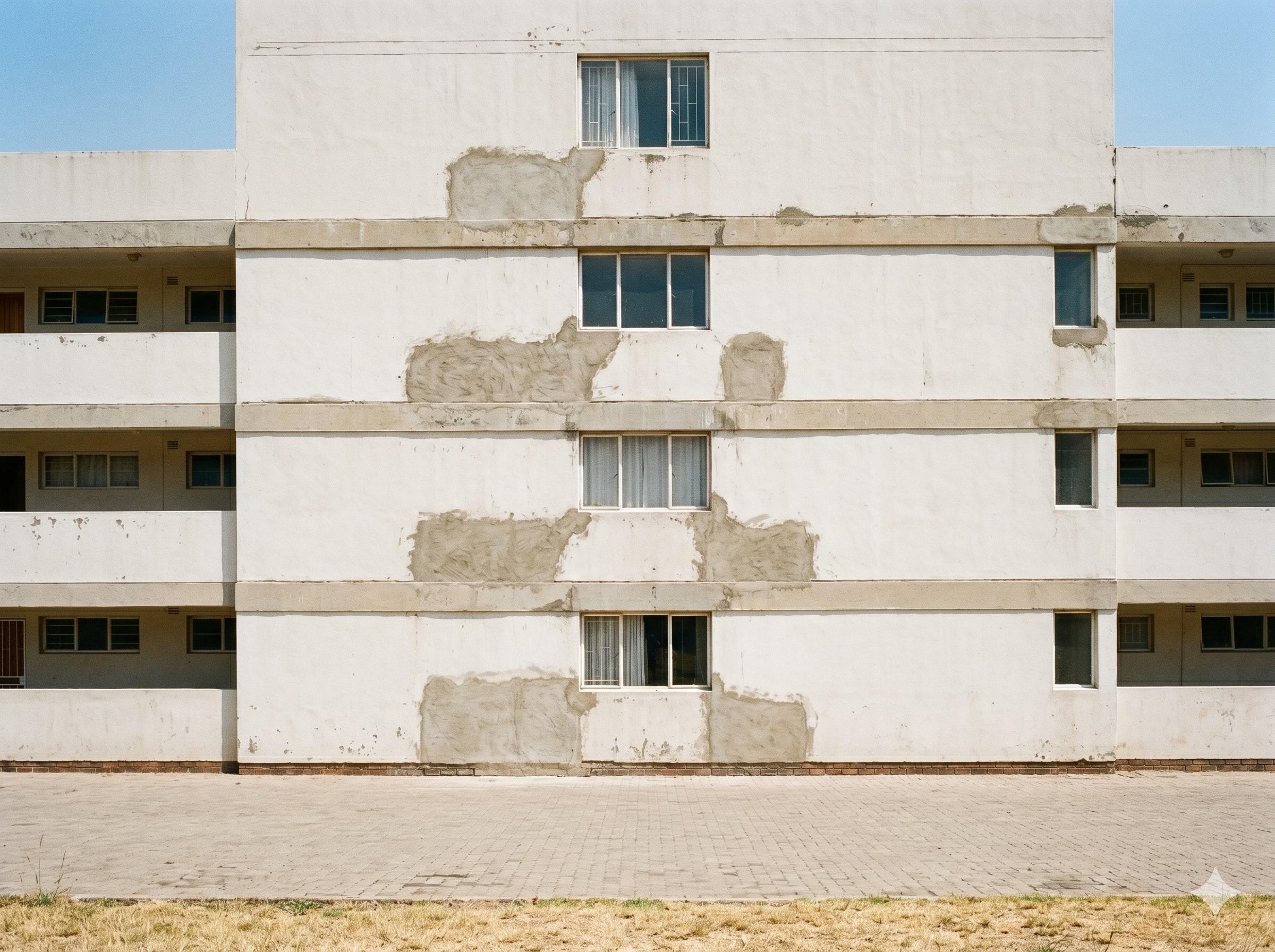
Spalling is rarely “just a paint problem.” When the concrete cover delaminates and reinforcing steel corrodes, loads redistribute, water accelerates degradation, and sectional-title schemes face special-levy exposure. Maverick executes inspection-led scopes, implements manufacturer-approved repair systems, and documents preparation and curing so trustees, engineers, and facility managers can defend the spend.
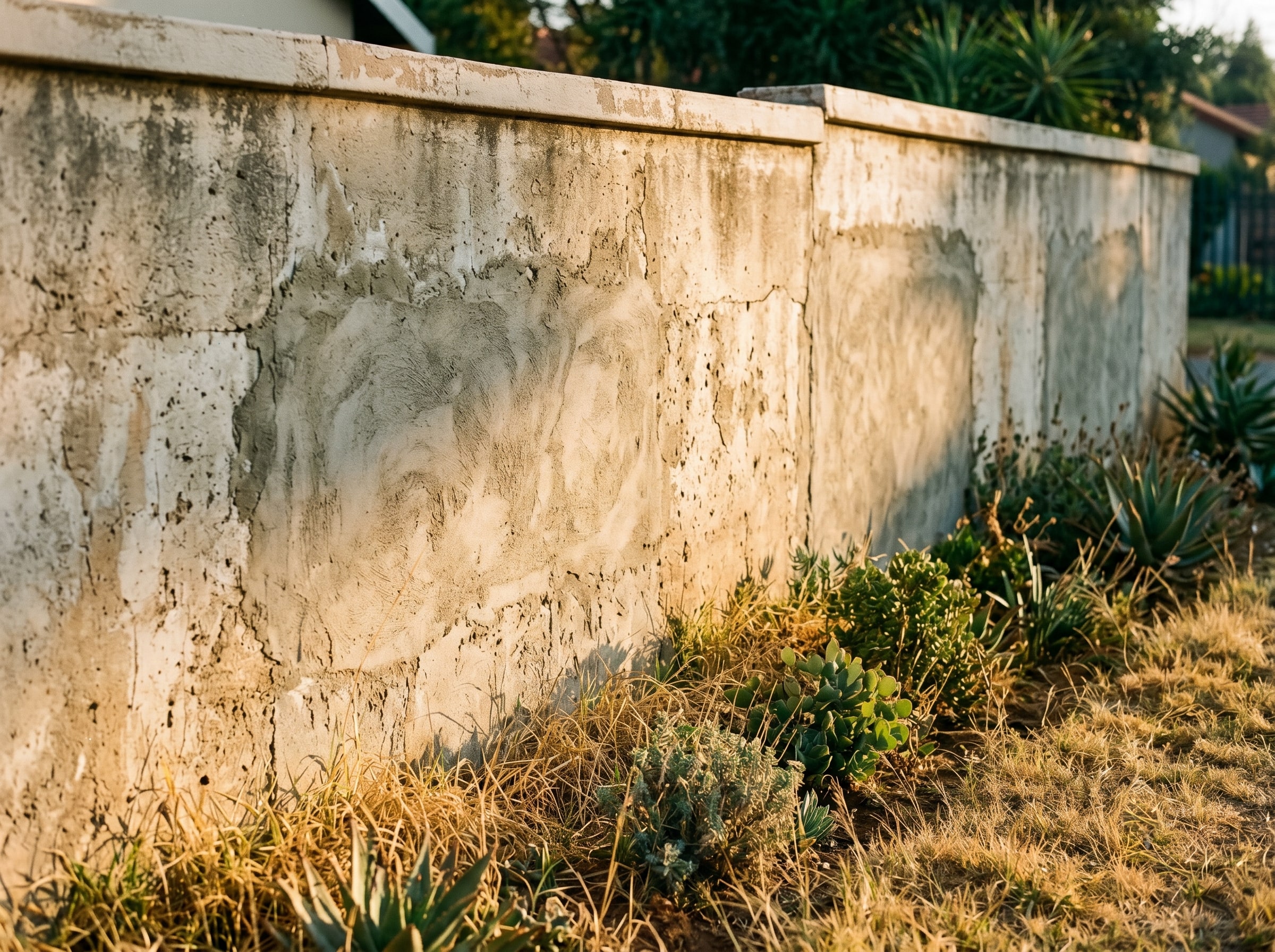
Carbonation, chlorides, and moisture paths all attack steel inside concrete. Expanding rust blows off the cover owners call concrete cancer, and patches without passivation hide active corrosion that fails again within seasons.
In Gauteng, thermal cycling, driving rain, and UV stress on thin cover zones (parapets, balcony edges, plant-room slabs) accelerate the cycle. Maverick treats spalling as a structural maintenance discipline: we identify the failure mechanism, define the repair class, and align execution with engineer specifications and manufacturer data sheets.
Core interventions
Engineer-approved protocols. Auditable repairs. Zero fluff.
PHASE_01
Carbonation, chlorides, and moisture paths all attack steel inside concrete.
PHASE_02
We follow engineer-approved details for load-bearing elements.
PHASE_03
Major scopes often need third-party coating inspection.
PHASE_04
We phase breakouts, extraction, and noise for flats and live plants.
Why structural remediation belongs in your maintenance plan
Phase 01 / Assessment
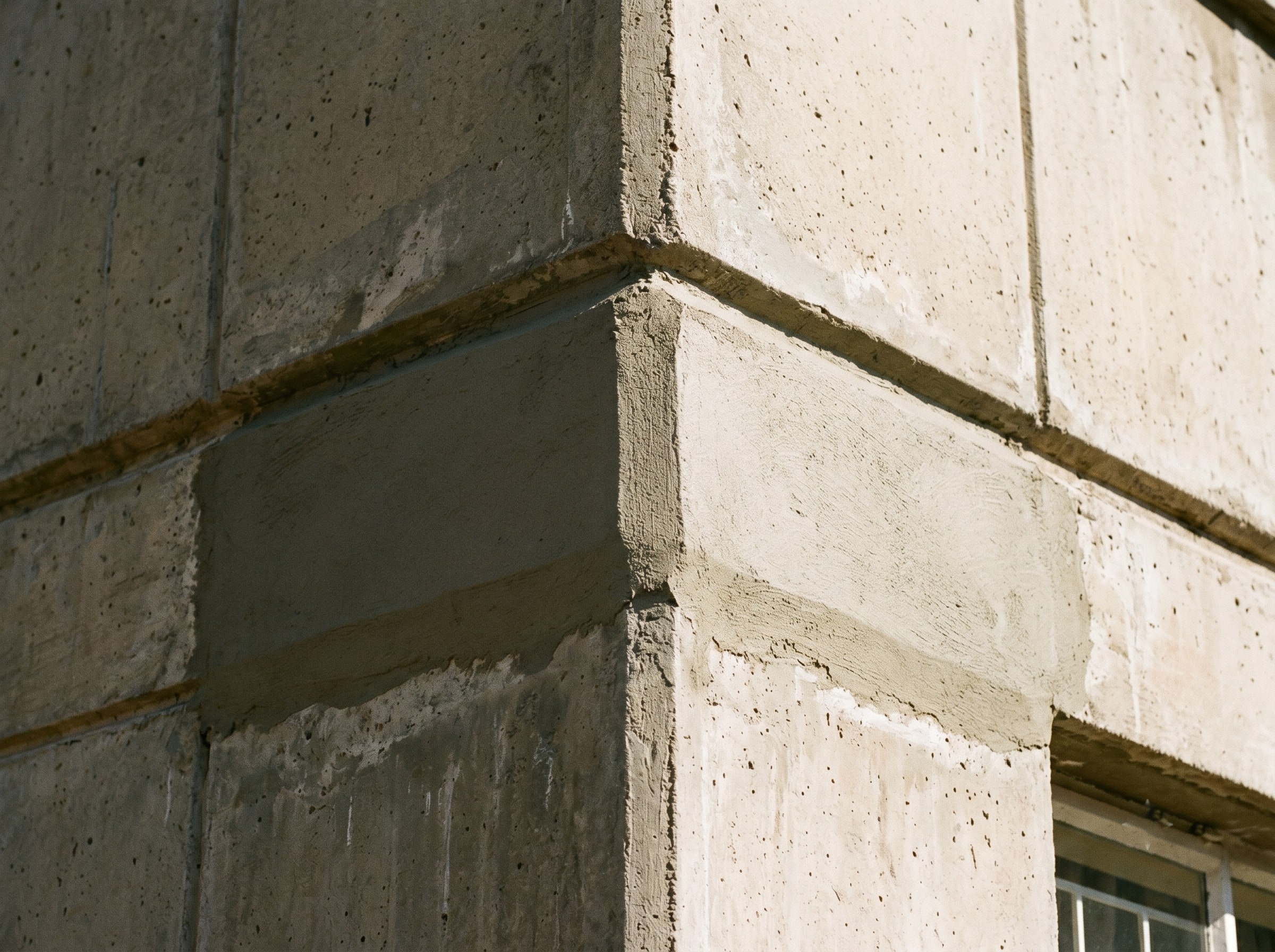
A Sandton sectional-title tower showed map cracking and spall pockets on levels 8–14. Maverick combined localised breakout with rope-access stages to avoid a 12-week scaffold footprint, then closed repairs with compatible anti-carbonation coatings.
Carbonation, chlorides, and moisture paths all attack steel inside concrete. Expanding rust blows off the cover owners call concrete cancer, and patches without passivation hide active corrosion that fails again within seasons.
In Gauteng, thermal cycling, driving rain, and UV stress on thin cover zones (parapets, balcony edges, plant-room slabs) accelerate the cycle. Maverick treats spalling as a structural maintenance discipline: we identify the failure mechanism, define the repair class, and align execution with engineer specifications and manufacturer data sheets.
Major scopes often need third-party coating inspection. We coordinate thickness, holiday, and adhesion checks where appointed; workmanship and materials warranties follow manufacturer rules and maintenance cycles so CPA expectations stay honest.
Related scope: Structural & leak crack injection
Each page below targets a distinct failure mode and procurement keyword cluster, improving topical clarity for search engines and giving technical buyers the depth they expect before inviting a site walk-down.
Rebar exposure, passivation, polymer-modified mortars, anti-carbonation finishes, and QA documentation for façades, parking grids, and plant assets.
Epoxy vs polyurethane decision logic, injection porting, pressure discipline, and integration with waterproofing renewals.
Traffic-rated joint rebuilds, armour angles, podium interfaces, and phased programmes for live logistics and retail facilities.
Phase 02 / Execution
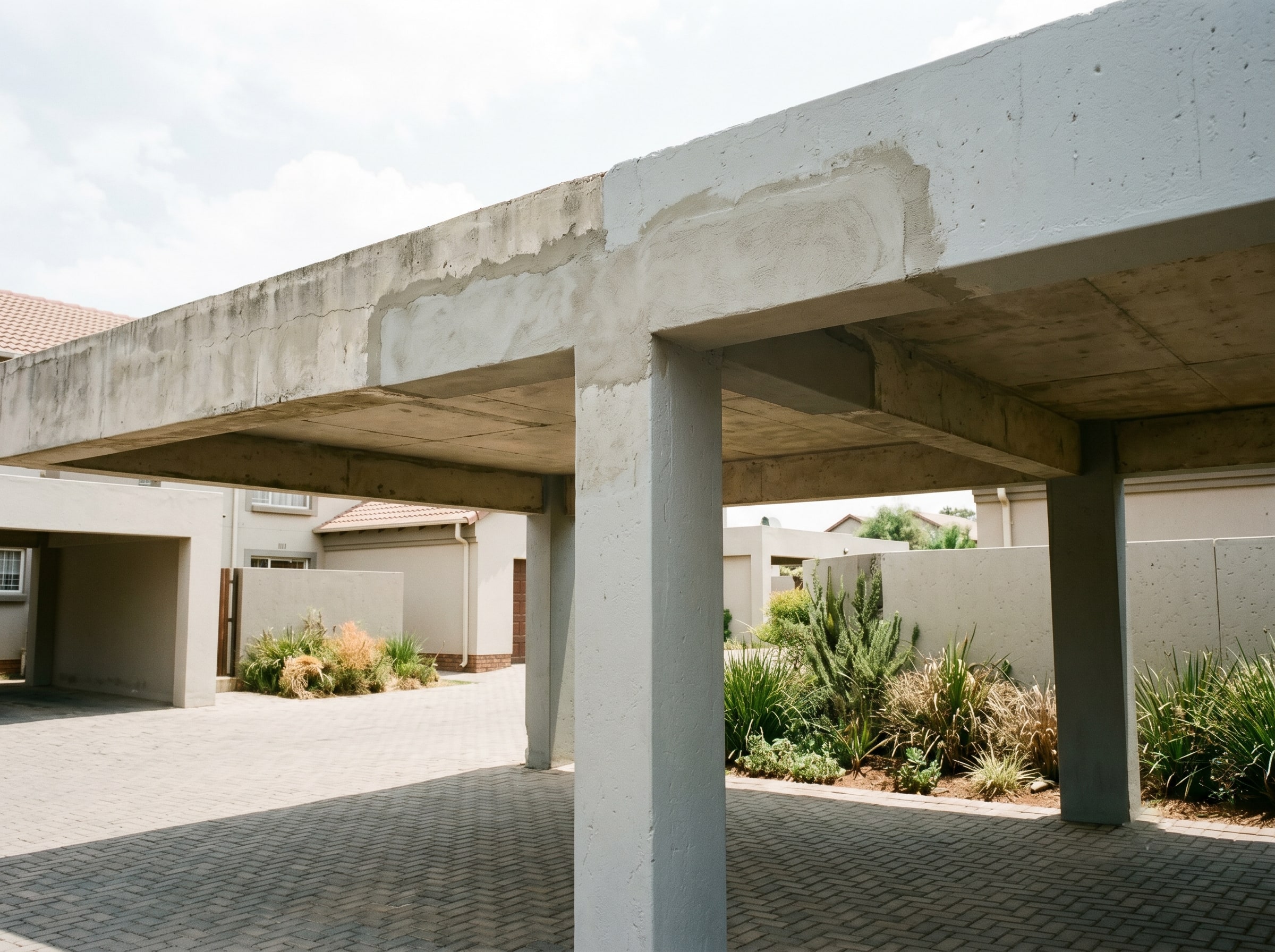
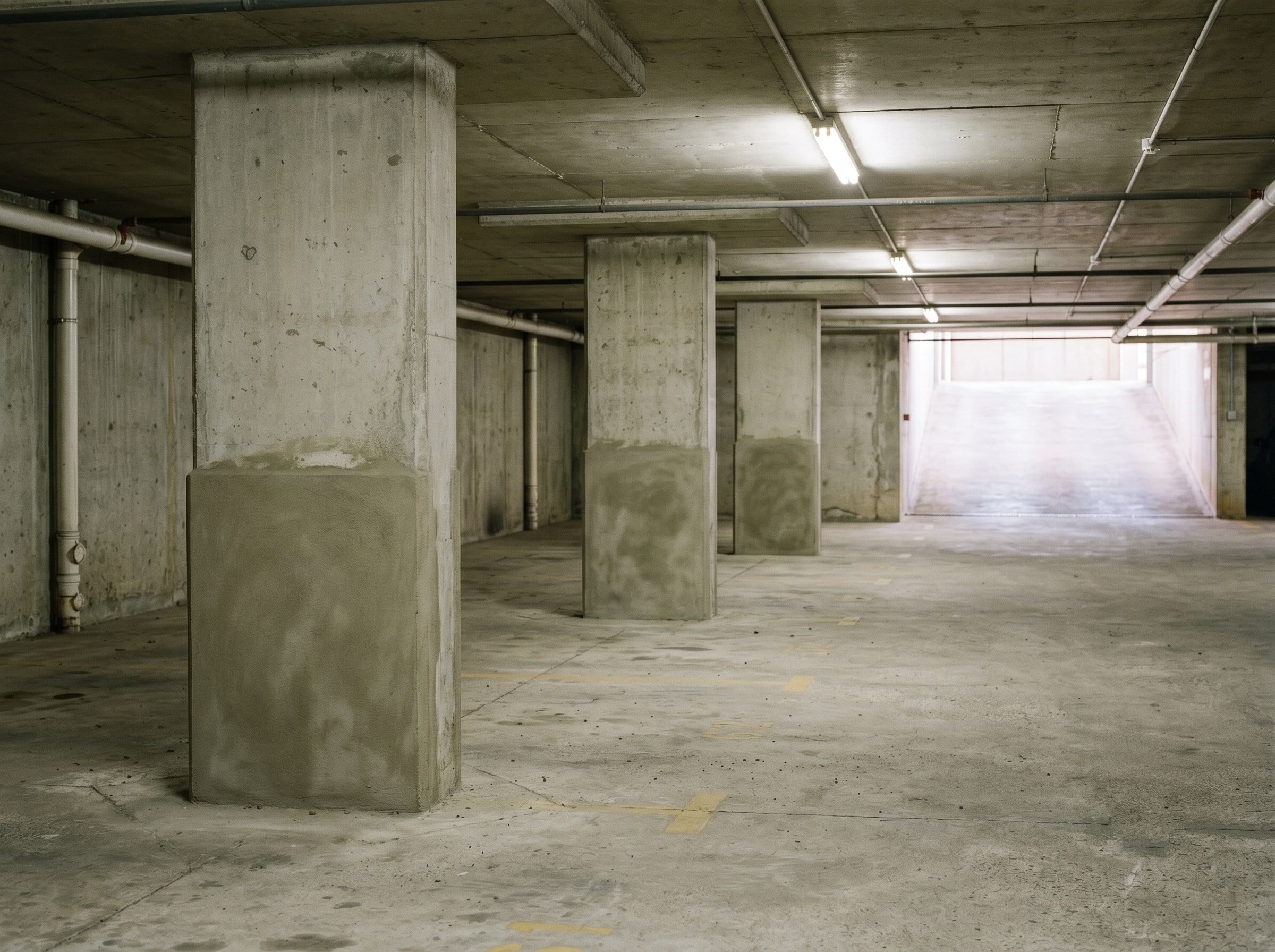
A Centurion parking grid exhibited rust staining and delamination on columns near expansion joints. The scope included joint rehabilitation upstream of column repairs to stop re-wetting after handover.
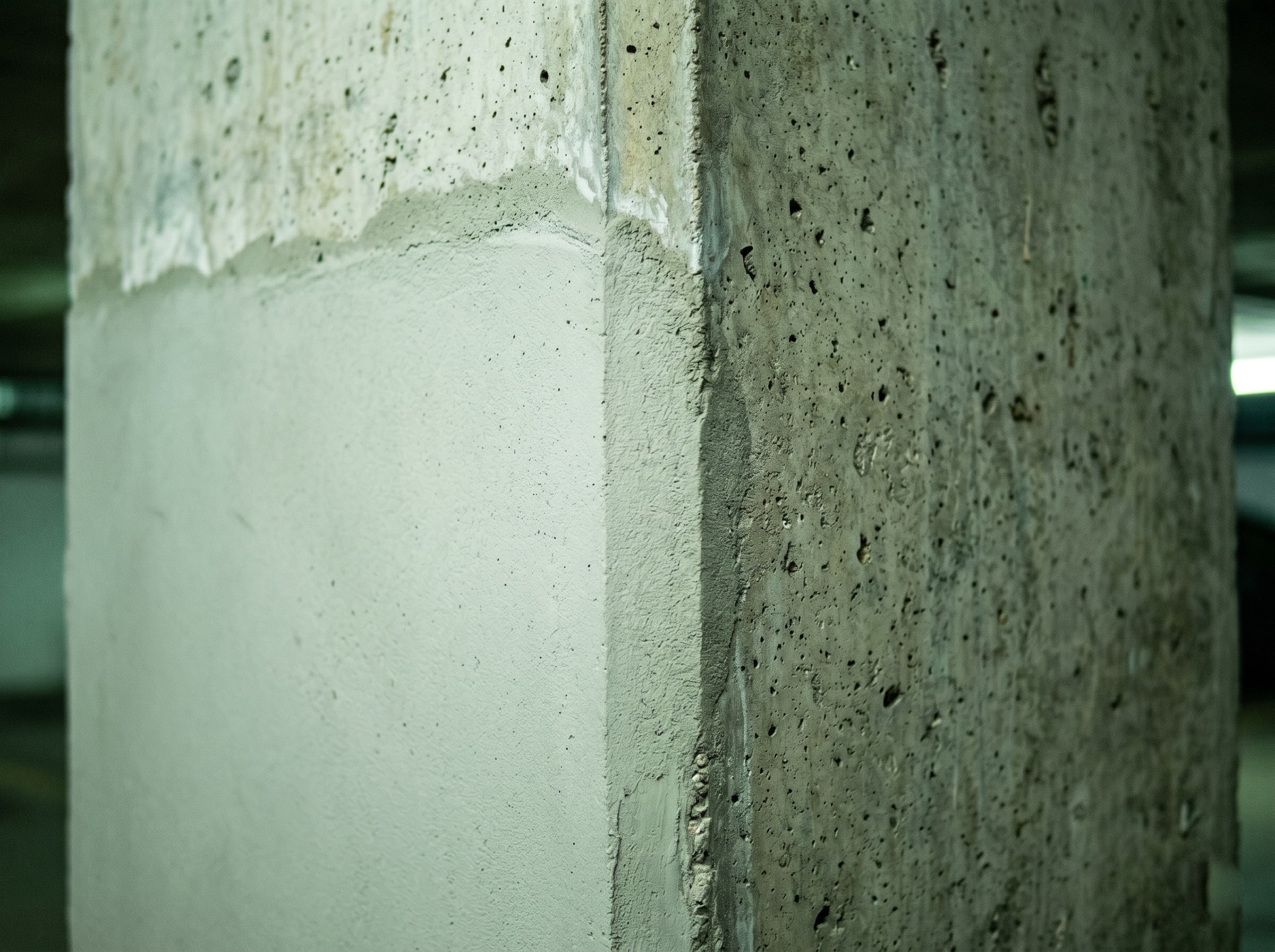
We follow engineer-approved details for load-bearing elements. Crews document breakout limits, reinforcement exposure, cleaning standards, bond bridges, and curing so commercial QA files show what was done, when, and to which standard.
Hammer sounding, cover surveys, and moisture readings help separate active water paths from dry carbonation fronts. That distinction drives whether we prioritise injection, drainage remediation, or coating specification changes upstream of the repair.
Rebar is cleaned to remove rust scale and conditioned with systems compatible to the specified repair mortar. Passivation and bonding bridges are not optional “extras”; they are the chemical reason a patch stays attached when the slab moves.
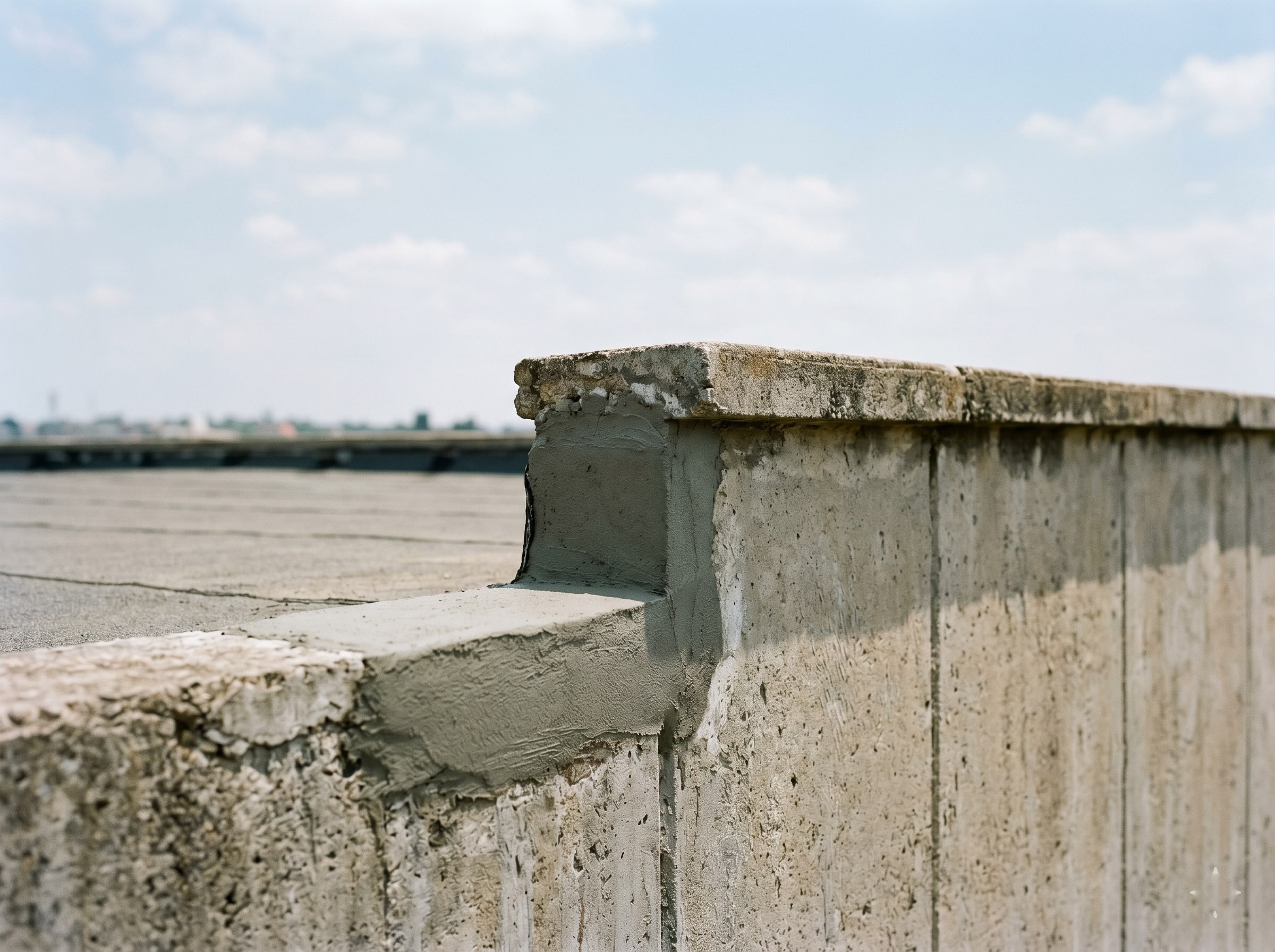
We reinstate section loss using polymer-modified repair mortars selected for the exposure class, parking chlorides, façade weathering, or industrial chemical atmospheres. Build-ups are layered to manufacturer limits to control shrinkage and internal heat.
Related scope: Leaking balcony remediation
Phase 03 / Handover
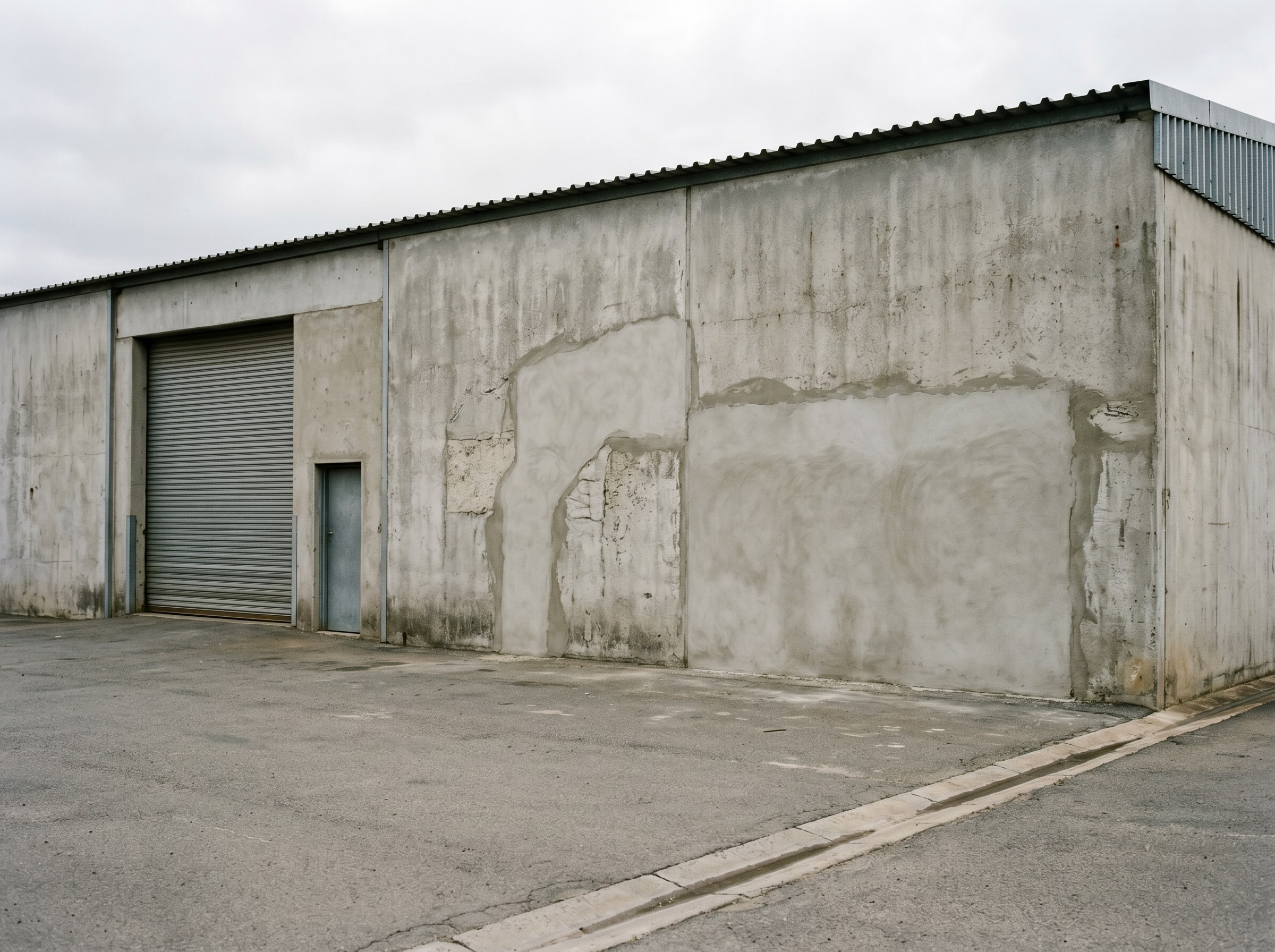
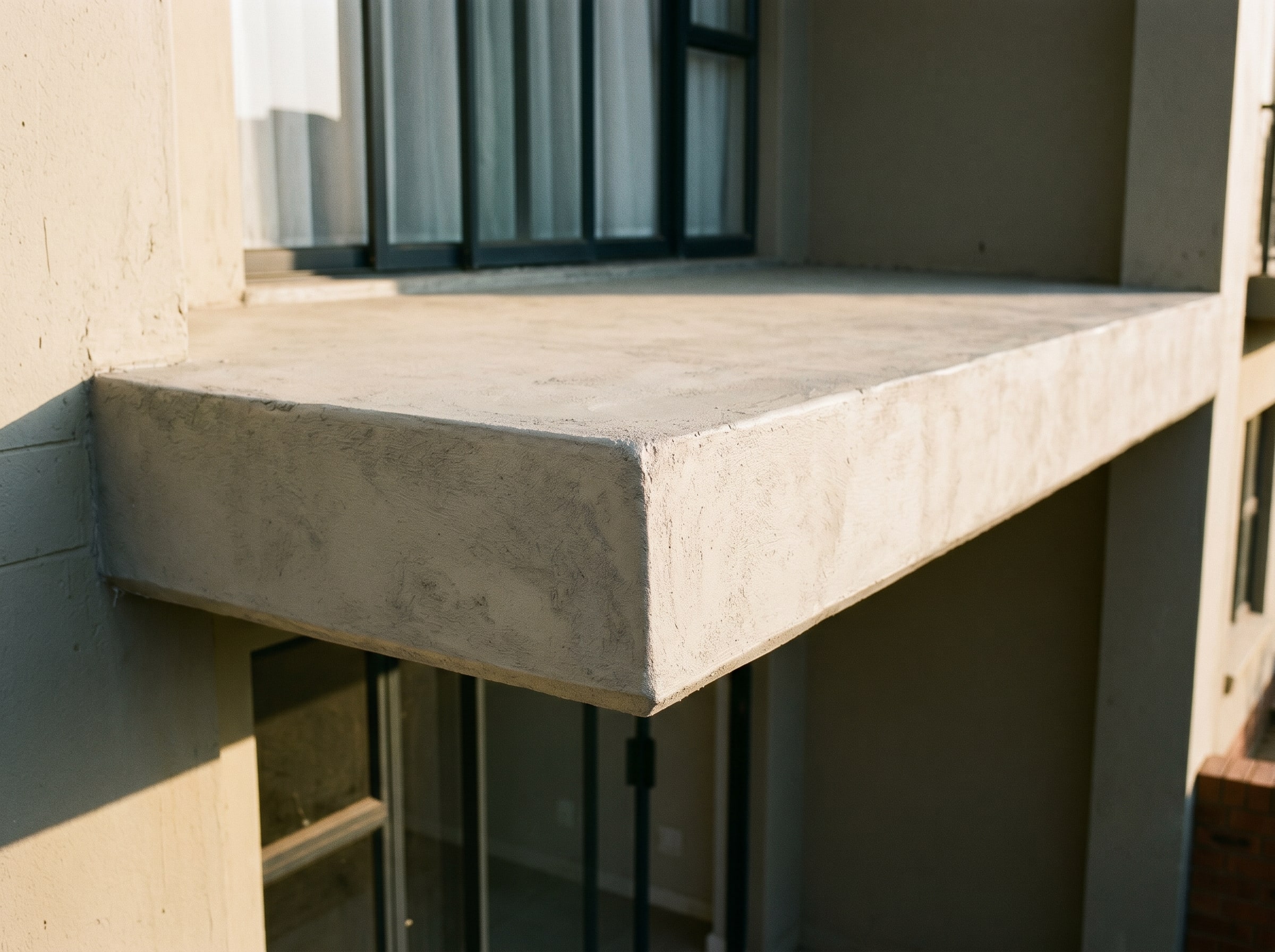
A manufacturing silo suffered cover delamination from thermal shock and cleaning chemicals. Repairs were sequenced during a planned shutdown window with curing enclosures to protect production restart dates.
Major scopes often need third-party coating inspection. We coordinate thickness, holiday, and adhesion checks where appointed; workmanship and materials warranties follow manufacturer rules and maintenance cycles so CPA expectations stay honest.
We phase breakouts, extraction, and noise for flats and live plants. Rope access, night shifts, and dust controls are written into the method statement so residents and facility managers see a planned programme, not ad-hoc site decisions.
Structural spalling teams mobilise across Johannesburg, Pretoria, Midrand, Centurion, and Sandton, with concentrated programmes on the East Rand (Boksburg, Kempton Park, Germiston, Isando industrial nodes), West Rand (Roodepoort, Krugersdorp, legacy sectional-title stock), and South Rand (Alberton, Glenvista, Bassonia estates).
Related scope: Rope access painting & repairs
Technical answers for procurement teams, trustees, and facility managers in Gauteng.
Common drivers include low concrete cover, carbonation reaching the steel, chloride contamination in parking environments, and moisture paths that keep reinforcement wet. Freeze-thaw is less dominant than corrosion + mechanical stress in many local blocks.
It can be either or both, depending on element design and loss of section. Maverick treats every spall as potentially structural until assessment proves otherwise. Engineer sign-off may be required for load-bearing elements.
We clean to bright metal where specified, apply bonding/passivation systems compatible with the chosen repair mortar, and reinstate cover using engineered build-ups rather than thin cosmetic filler.
Cosmetic patching hides the symptom. Structural repair restores section, manages corrosion, and reinstates protective cover to manufacturer/engineer requirements with auditable preparation records.
Yes on agreed commercial scopes. Third parties verify preparation, environmental conditions, and film-build metrics so trustees and developers receive defensible QA packs.
Mortar classes are exposure-dependent. We nominate manufacturer-approved systems (polymer-modified, fibre reinforced where required) and do not substitute products mid-scope without written approval.
Our Unbeatable Guarantee
Unlike standard contractors who rely on biased, in-house quality checks, we use a trusted, independent third-party QA company on all projects. This is our commitment to verifiably superior quality.
A dedicated project manager and the independent body conduct an on-site assessment to determine the correct coating system and technical specification required for your specific asset.
The independent company performs continuous application inspections at every critical stage (surface prep, primer, film thickness) to ensure manufacturer requirements are met before the final coat.
You receive bi-weekly progress and substrate reports providing a complete, recorded history of the project. This delivers objective proof of quality and total peace of mind for trustees and facility managers.
Verifiable Proof of Quality
Ready for Verifiable, Zero-Risk Quality?
Contact us today to schedule an on-site assessment and receive your substrate-specific specification.