
PHASE_01
Defect Diagnosis & Spec
Moisture meters, hammer tests, and visual maps separate carbonation, chlorides, and movement before we document breakout limits and an.
On the Gauteng Highveld, aggressive UV, thermal cycling, and chloride-laden parking environments accelerate concrete cancer faster than inland owners expect. If you are managing spalling edges, gridlines in parking, or cracks that will not stop moving, you need an asset maintenance partner who can sequence breakout, steel passivation, structural mortars, and downstream waterproofing, with independent QA your trustees can file.
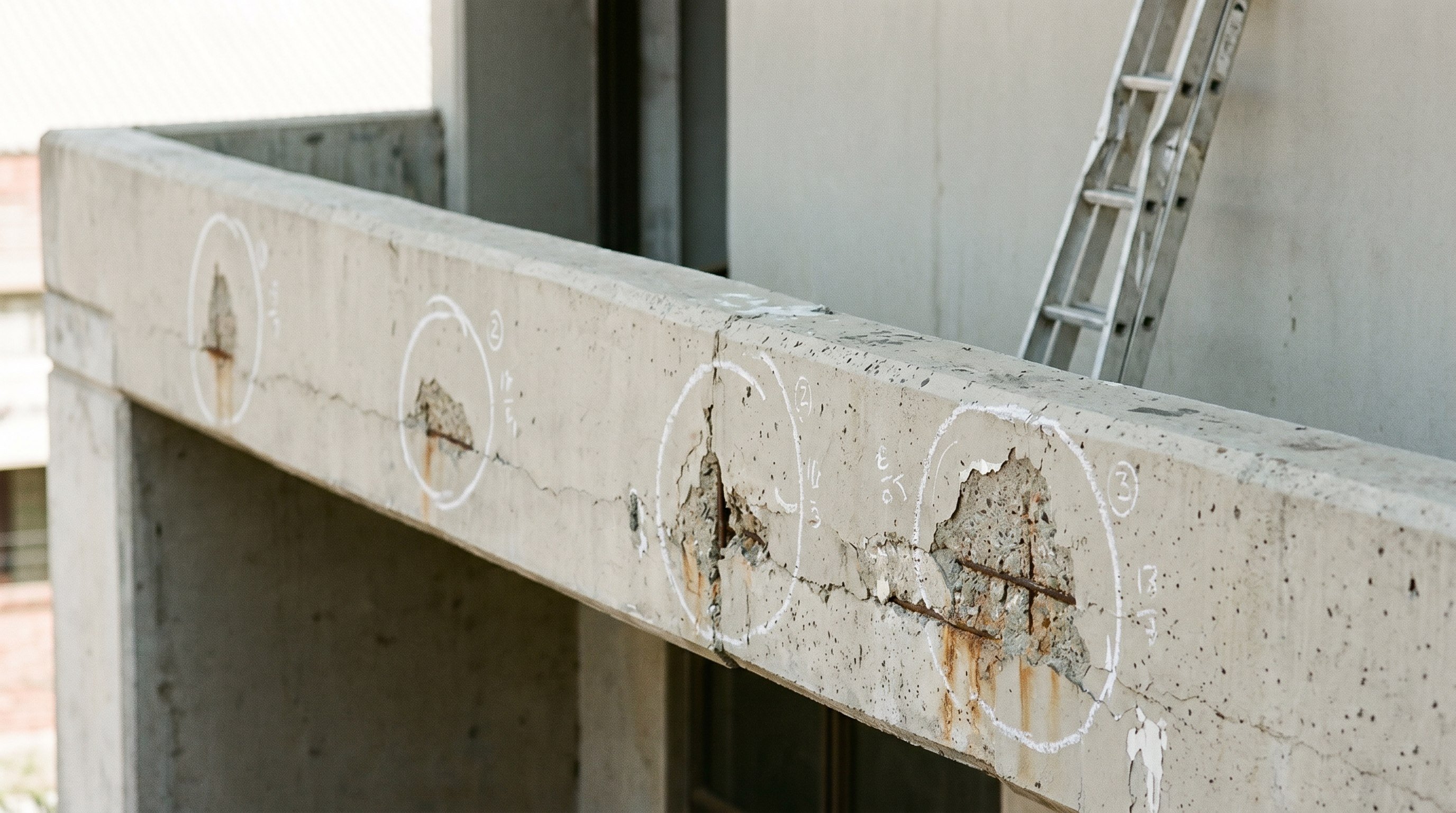
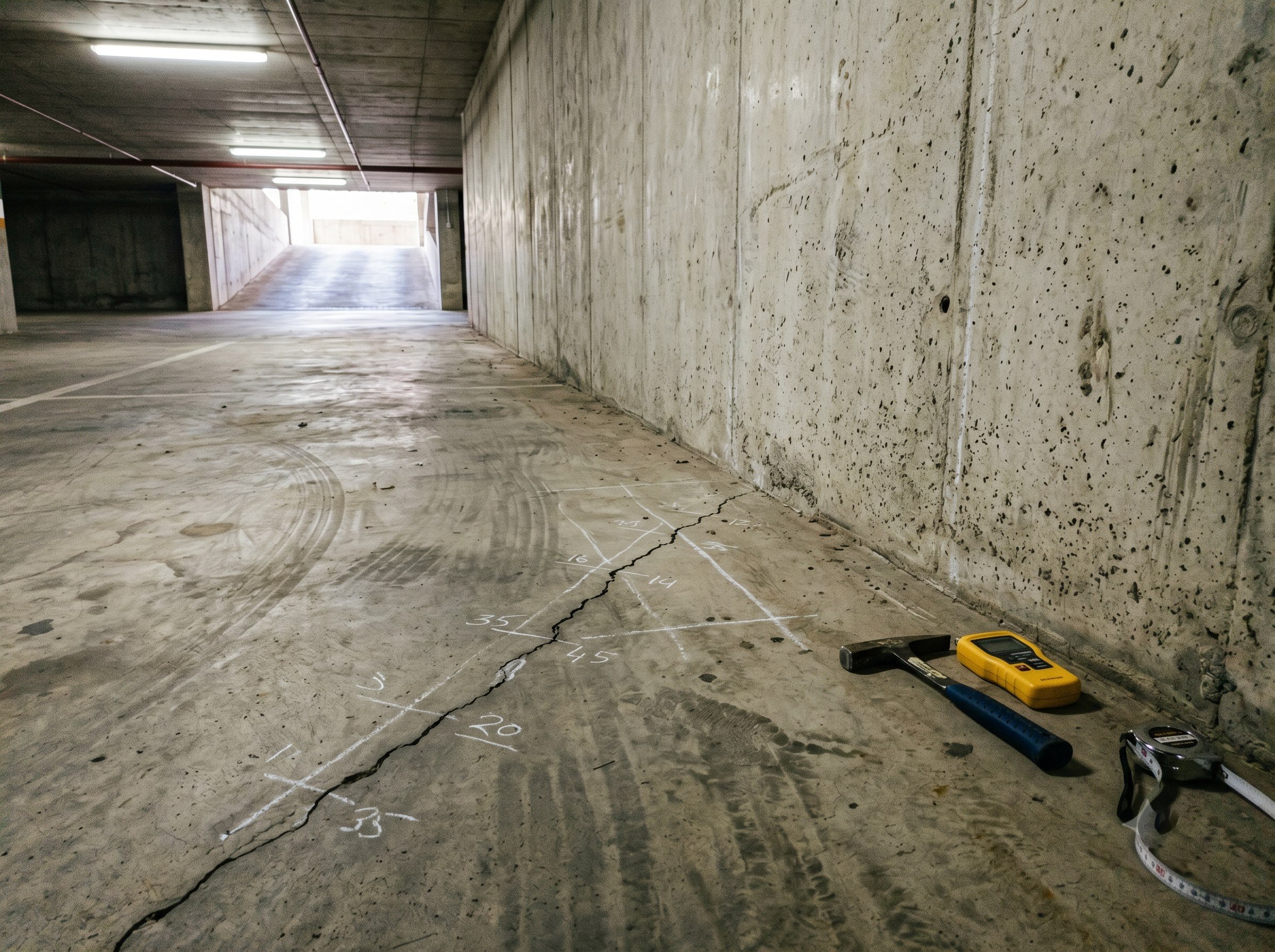
Moisture meters, hammer tests, and visual maps separate carbonation, chlorides, and movement before we document breakout limits and an engineer-aligned, substrate-specific specification the site team can execute without guesswork.
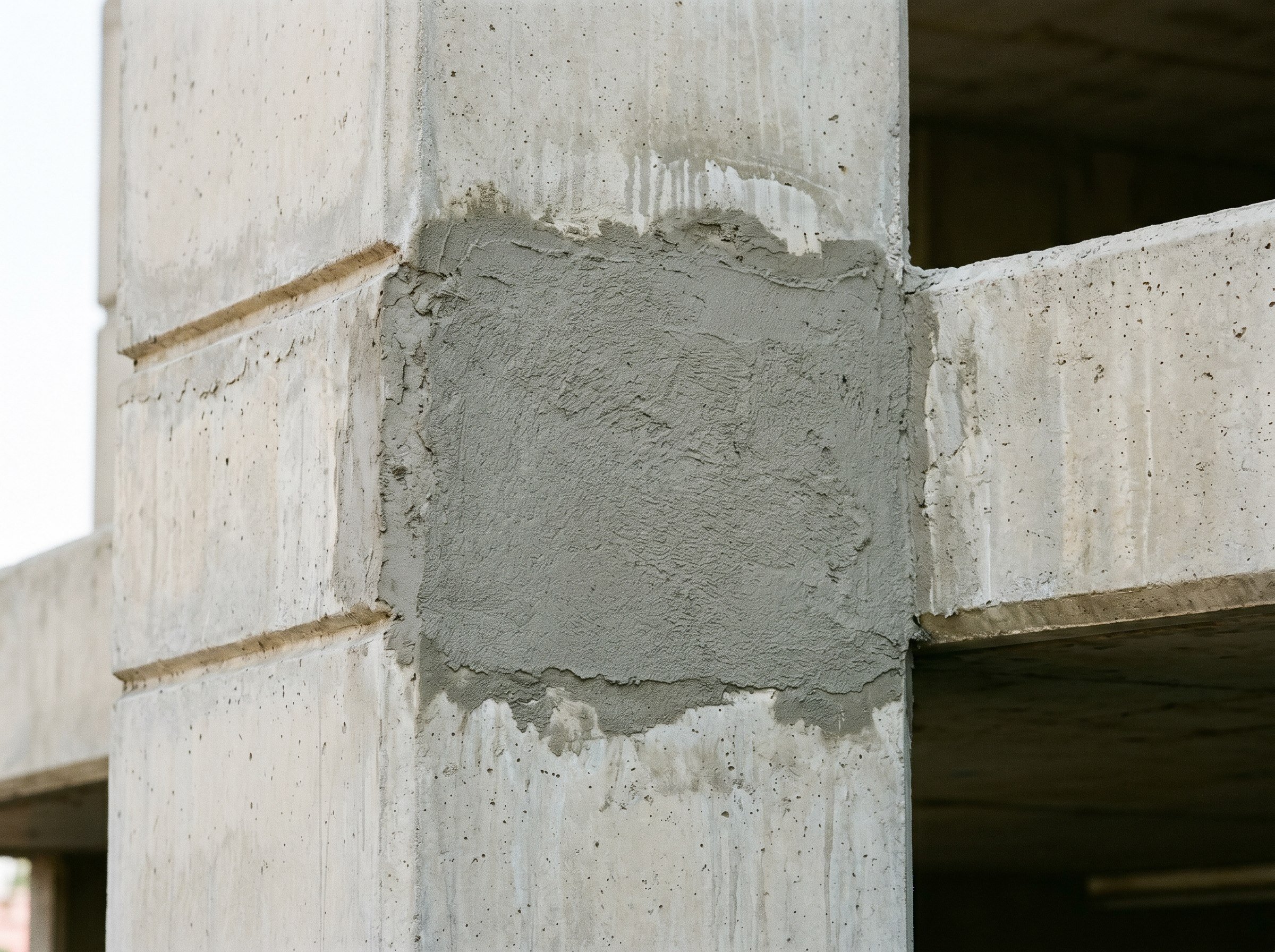
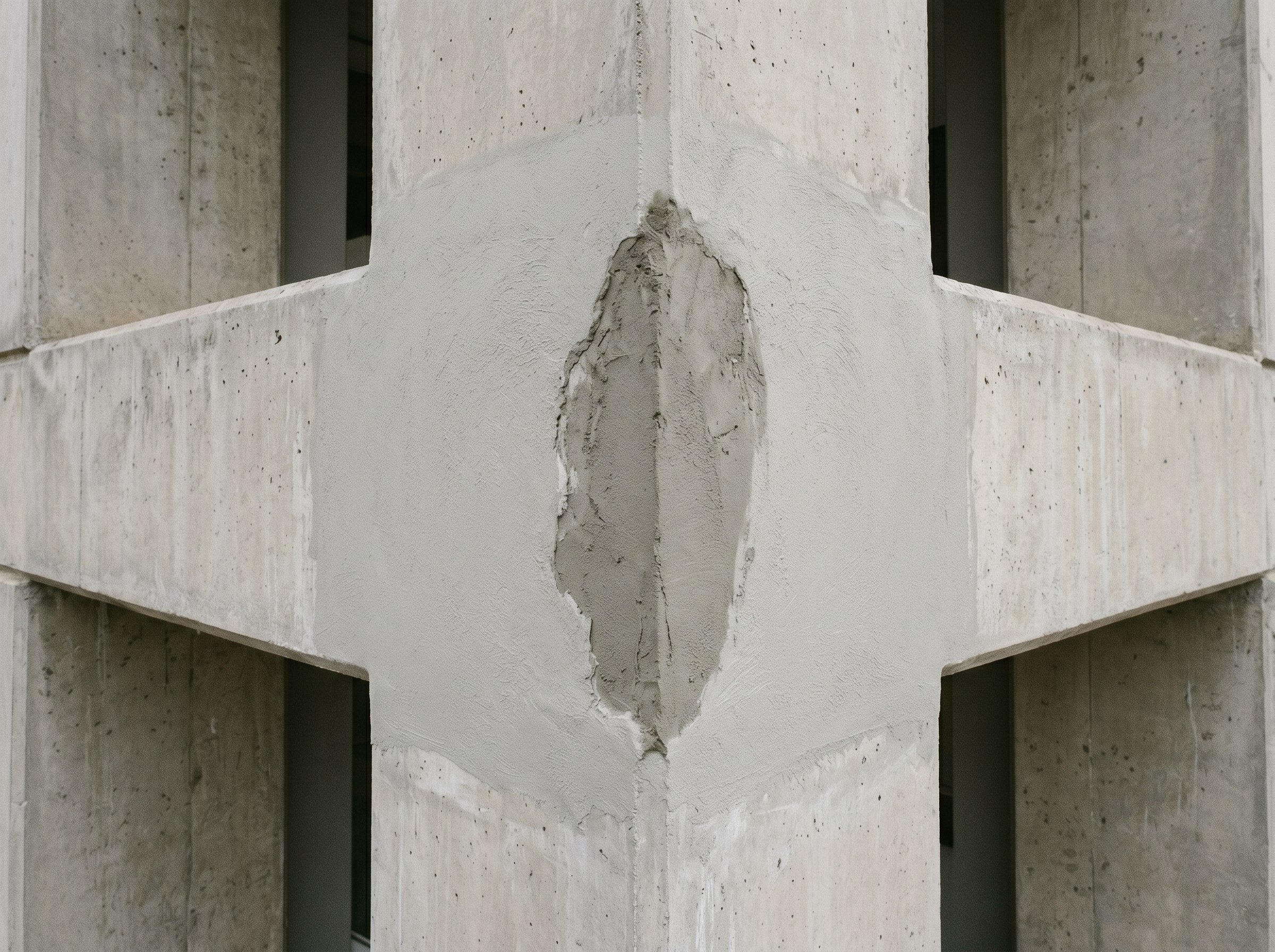
Delaminated concrete is removed, reinforcement is cleaned and conditioned, and section loss is rebuilt with polymer-modified structural mortars so reinstatement is engineered, not filler hiding active corrosion.
Core interventions
Engineer-approved protocols. Auditable repairs. Zero fluff.
PHASE_01
Moisture meters, hammer tests, and visual maps separate carbonation, chlorides, and movement before we document breakout limits and an.
PHASE_02
Delaminated concrete is removed, reinforcement is cleaned and conditioned, and section loss is rebuilt with polymer-modified structural mortars.
PHASE_03
Epoxy or polyurethane is chosen from crack stability, moisture, and structural intent; port layouts, pressures, batch IDs, and environmental.
PHASE_04
Breathable or elastomeric manufacturer stacks close exposed concrete with disciplined film build, holidays, and adhesion checks so UV and.
Why structural remediation belongs in your maintenance plan
Phase 01 / Assessment
It warns you in small pieces first, then it invoices you in big ones. Keeping spalling inside a proper maintenance rhythm is how you protect reserves, keep insurers calm, and avoid the repaint that lands on edges that are already tired.
When breakouts are left in the “we will see” pile, chlorides ride deeper, patches get bigger, and the next contractor has to price risk you could have trimmed months ago. In sectional-title schemes, visible concrete cancer also arrives in trustee conversations at exactly the wrong time, often beside a body corporate painting programme that needs sound arrises and balcony edges before any coating system can do its job.
Moisture meters, hammer tests, and visual maps separate carbonation, chlorides, and movement before we document breakout limits and an engineer-aligned, substrate-specific specification the site team can execute without guesswork.
Rebar exposure, passivation, polymer-modified mortars, anti-carbonation finishes, and QA documentation for façades, parking grids, and plant assets.
Each page below targets a distinct failure mode and procurement keyword cluster, improving topical clarity for search engines and giving technical buyers the depth they expect before inviting a site walk-down.
Rebar exposure, passivation, polymer-modified mortars, anti-carbonation finishes, and QA documentation for façades, parking grids, and plant assets.
Epoxy vs polyurethane decision logic, injection porting, pressure discipline, and integration with waterproofing renewals.
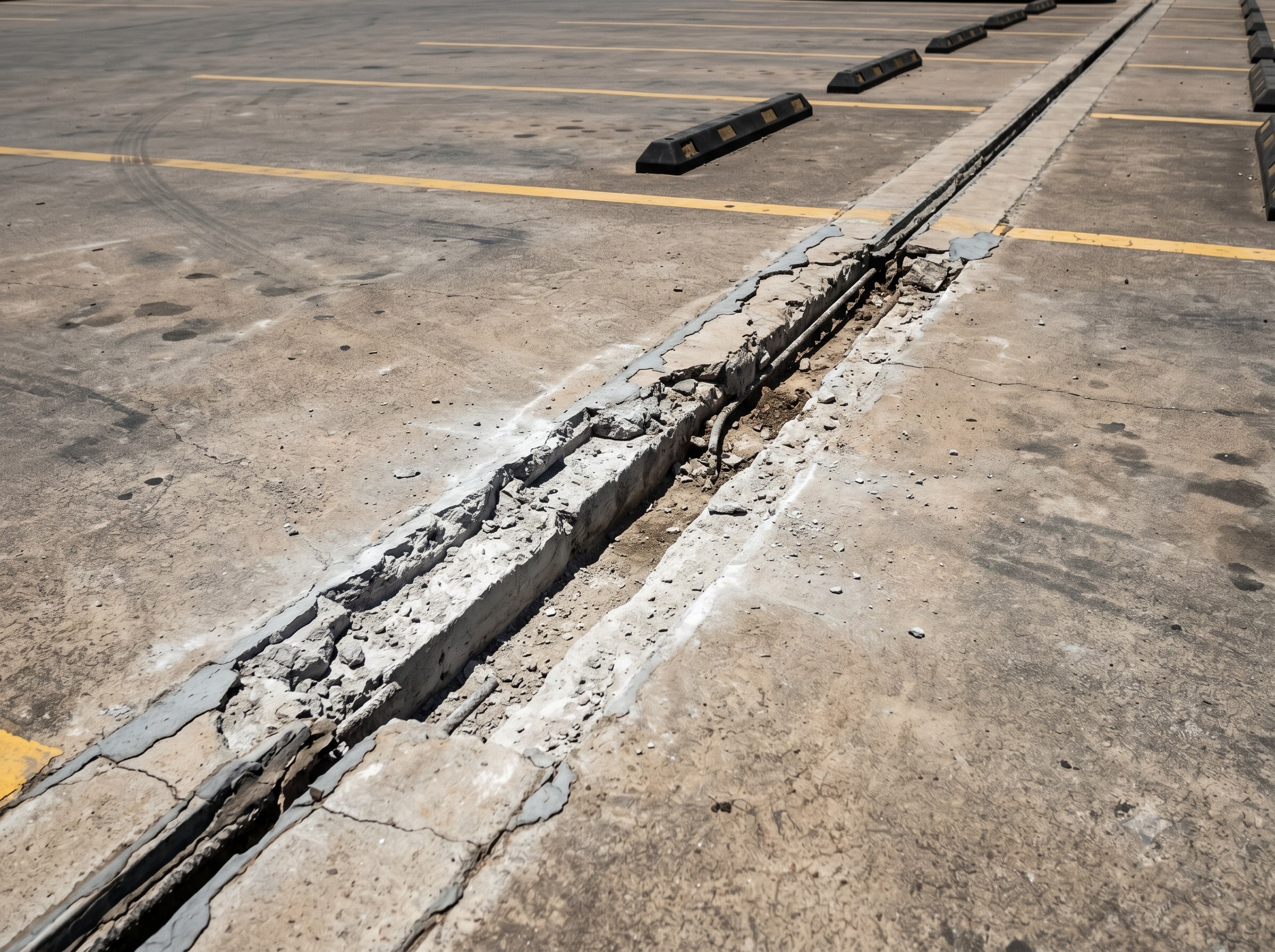
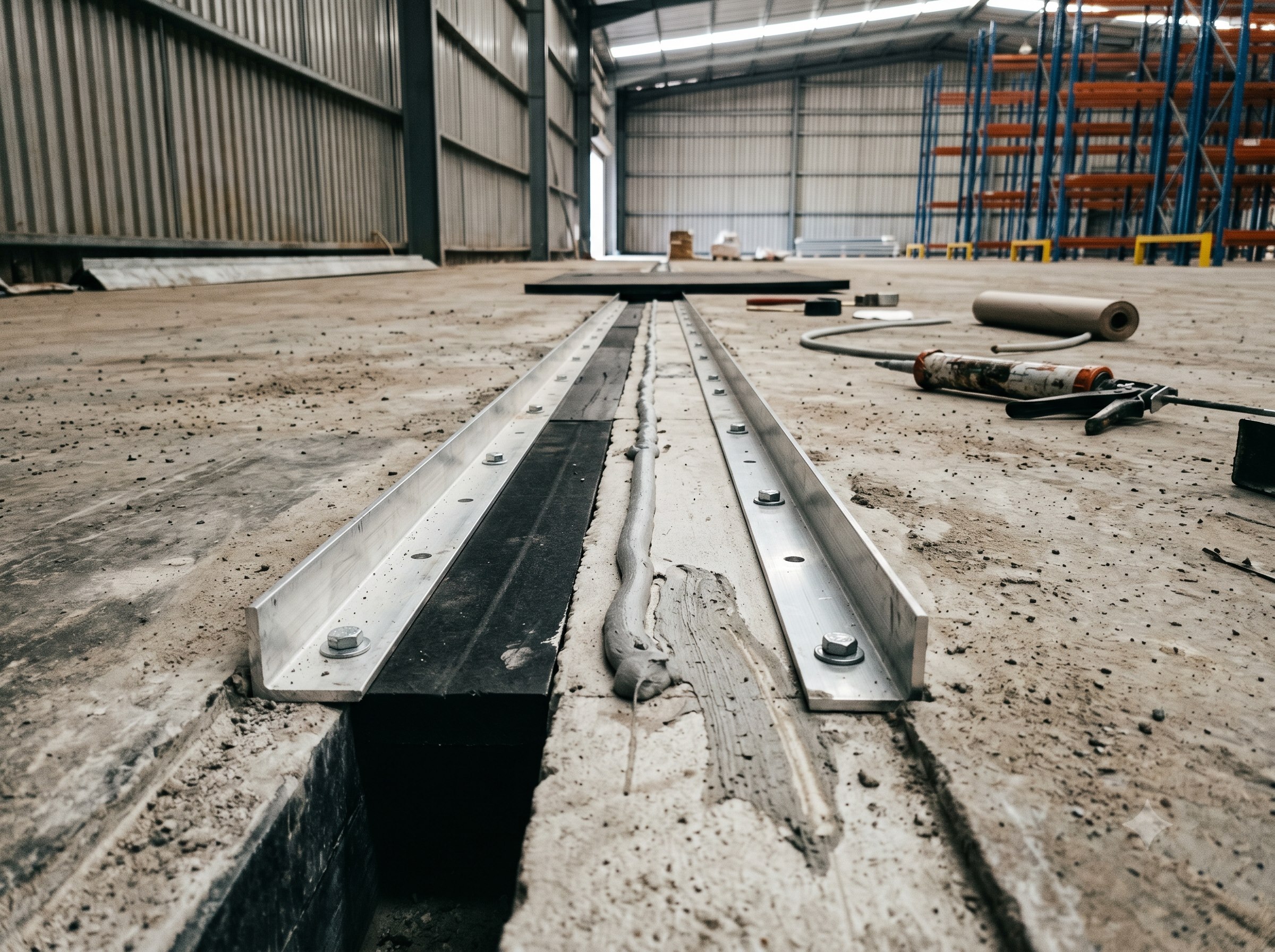
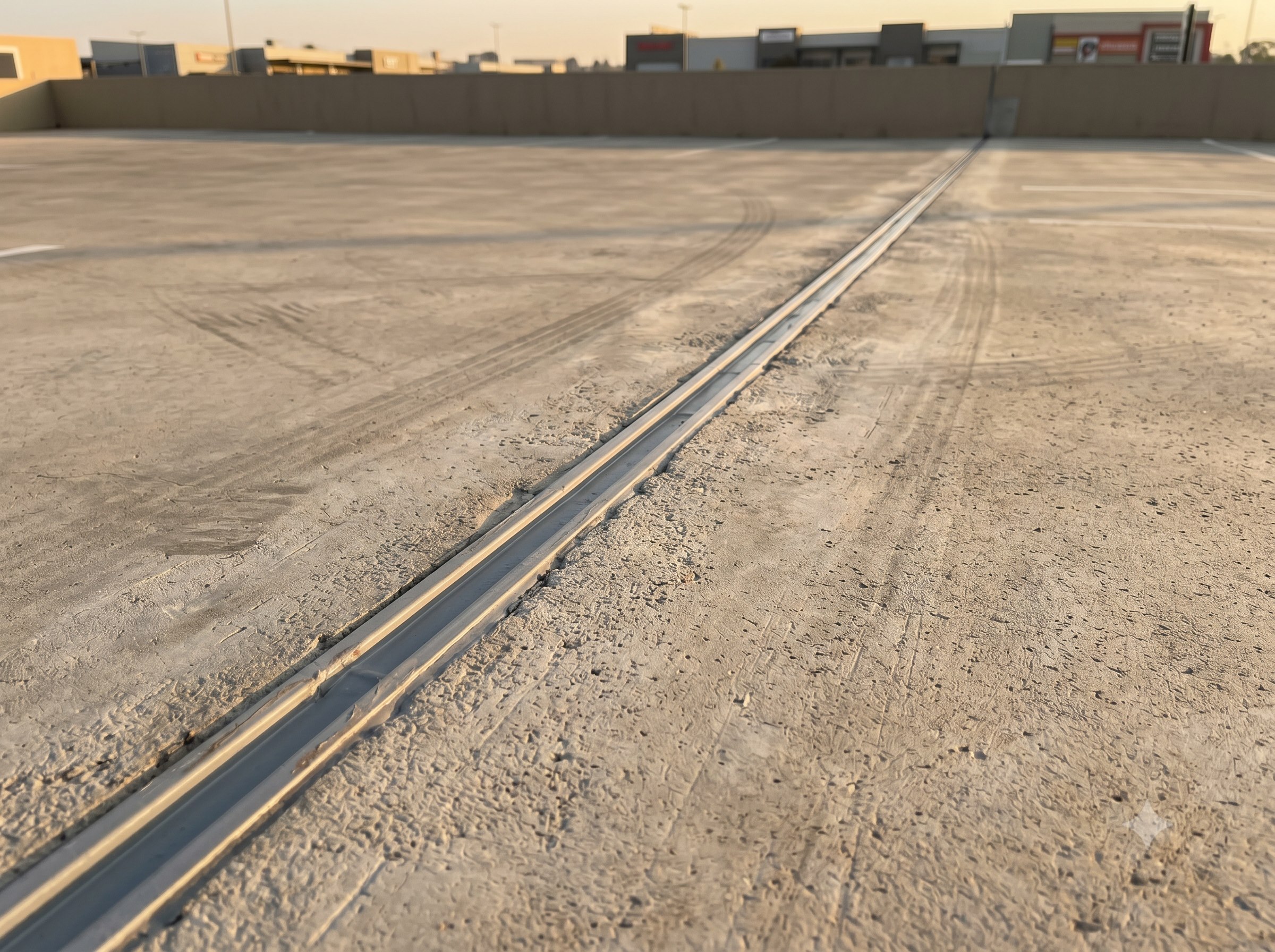
Traffic-rated joint rebuilds, armour angles, podium interfaces, and phased programmes for live logistics and retail facilities.
Phase 02 / The Pattern
Edges take the weather, cars track chloride in under tyres, and a small delamination becomes a line item nobody wanted on the AGM agenda. These jobs are seldom a single edge. They are whole façades, parking grids, and trustees who need a plan they can explain without reaching for a dictionary of defects.
On site, we treat evidence as the brief. Hammer sounding, cover surveys, moisture context, and photographs that explain why a repair detail exists, not why a sales deck says it should. Where load-bearing capacity is part of the story, we work to engineer specifications instead of improvising under time pressure.
Delaminated concrete is removed, reinforcement is cleaned and conditioned, and section loss is rebuilt with polymer-modified structural mortars so reinstatement is engineered, not filler hiding active corrosion.
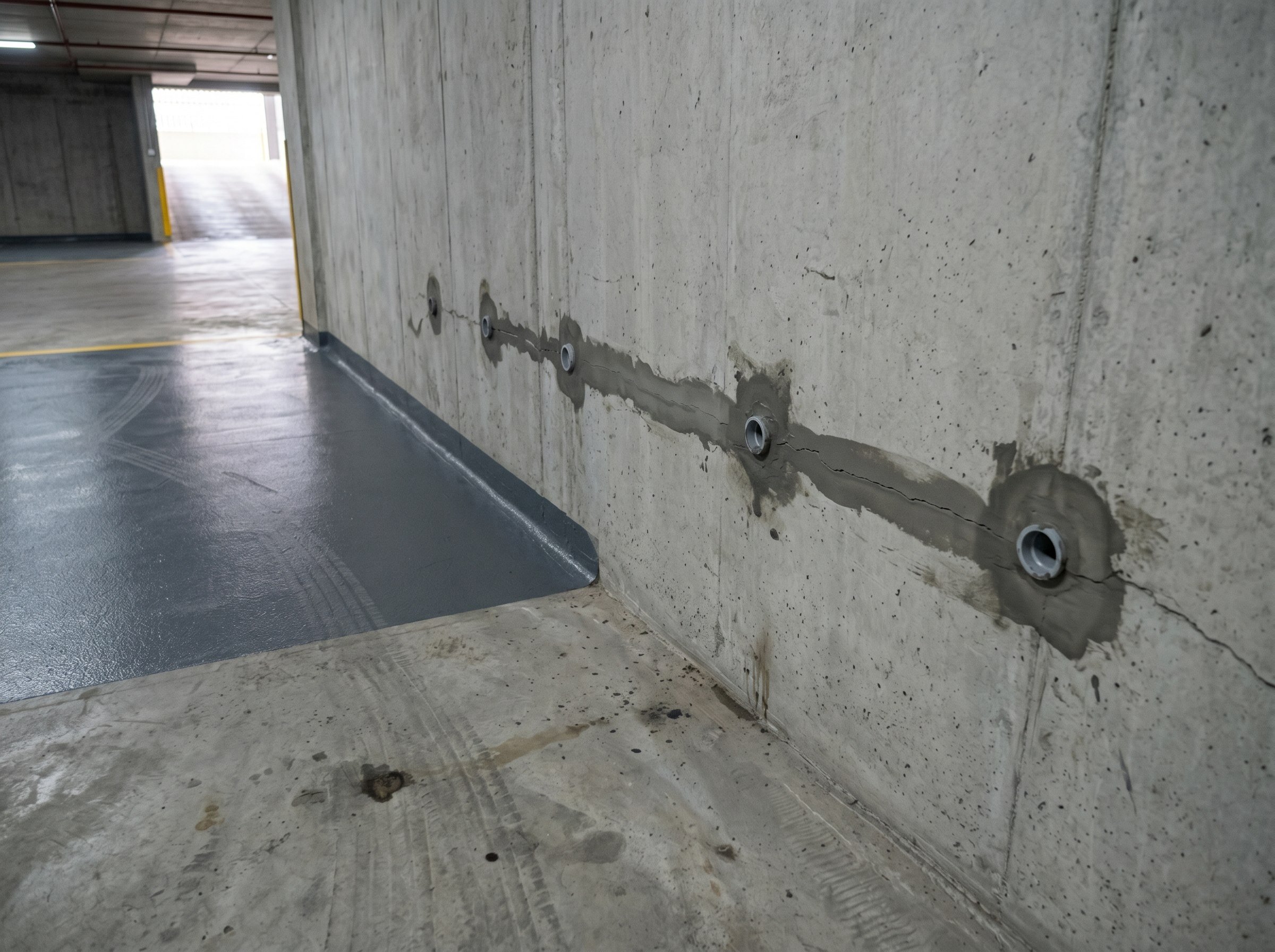
Epoxy vs polyurethane decision logic, injection porting, pressure discipline, and integration with waterproofing renewals.
Phase 03 / Coordination
We sequence naturally with waterproofing renewals and rope access programmes so temporary works, curing windows, and membrane interfaces are planned once. That is the boring kind of coordination that stops the classic argument where the painter blames the waterproofer, and the other way around. One programme, one sequence, fewer return visits.
Access, water, and concrete talk to each other whether we draw them in separate boxes or not. We prefer the drawing that matches how your asset actually behaves.
If you are comparing Gauteng remedial contractors, ask for a method statement outline, a safety file index, and a redacted QA sample from a recent commercial job. We are comfortable being judged on paperwork, because that is how serious portfolios are run.
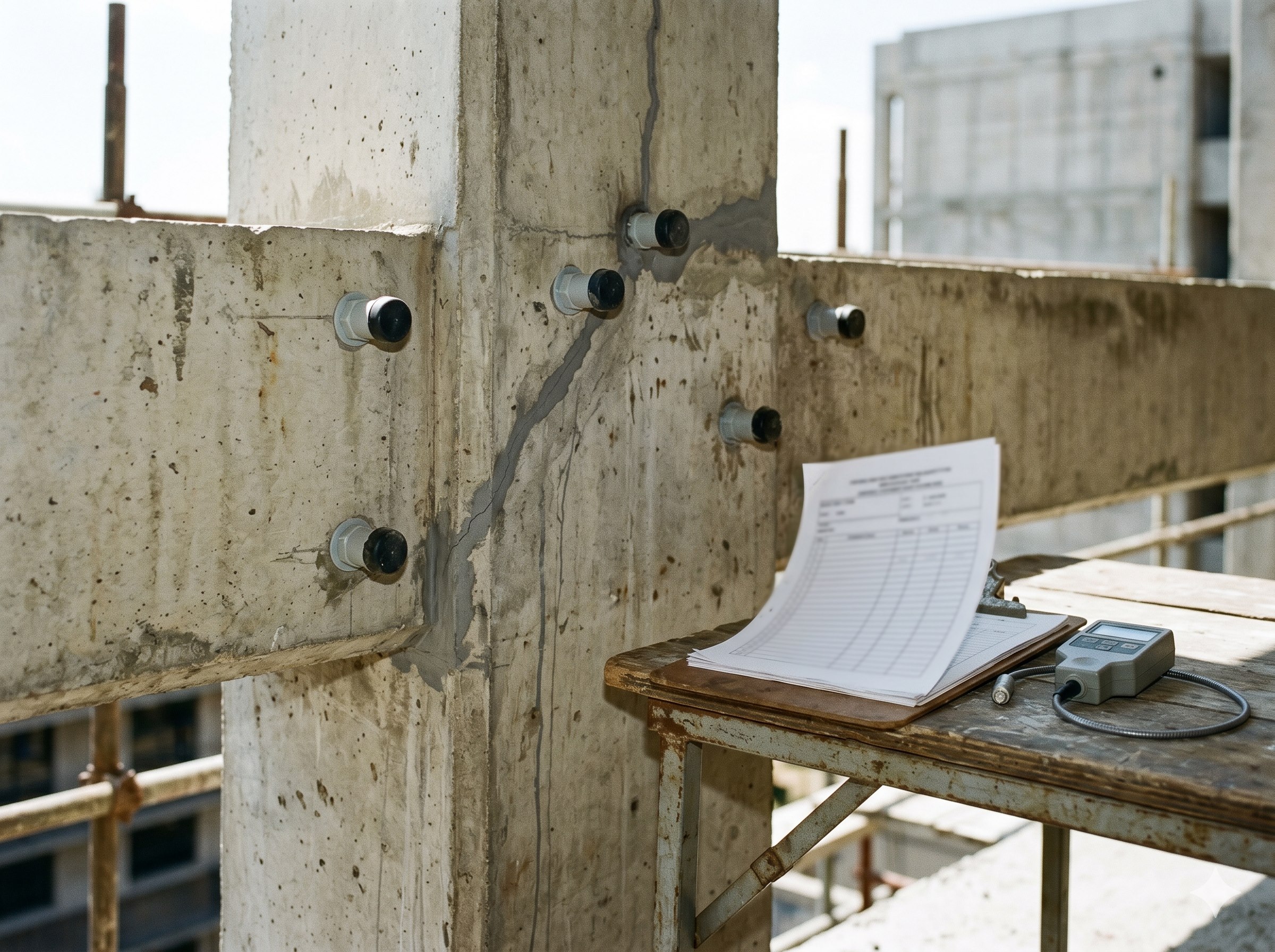
Epoxy or polyurethane is chosen from crack stability, moisture, and structural intent; port layouts, pressures, batch IDs, and environmental readings are logged for commercial QA files and specifier review.
Traffic-rated joint rebuilds, armour angles, podium interfaces, and phased programmes for live logistics and retail facilities.
Technical answers for procurement teams, trustees, and facility managers in Gauteng.
Hairline settlement cracks under about 1 mm often need cosmetic filler after monitoring. Stair-step cracks, widening gaps, or cracks with rust staining usually indicate structural movement or corrosion and may need engineer review, injection, or underpinning, not paint alone.
Carbonation and chlorides lower concrete pH, destroy the passivation layer on steel, and let rebar rust and expand, blowing off cover and reducing section. Maverick treats spalling with breakout, passivation, structural mortars, and protective coatings documented for QA files.
Yes on agreed commercial and sectional-title scopes. Third-party inspection of preparation, environmental conditions, and film build gives trustees and engineers defensible evidence, not contractor-only sign-off.
Remedial rates commonly range from roughly R800 to R2,500 per m² depending on breakout depth, steel treatment, access, and coating scope. Maverick quotes after on-site sounding and moisture profiling, not generic m² bait pricing.
Epoxy suits dormant structural cracks where stiffness and bond strength matter. Polyurethane or hybrid systems suit active leaks or moving joints where flexibility and water stop are priorities. We diagnose before specifying.
Failed sealant with sound joint geometry may need reseal only. Collapsed nosing, water ingress into the joint body, or traffic damage often requires rebuild with traffic-rated systems and engineer review on load-bearing decks.
Our Unbeatable Guarantee
Unlike standard contractors who rely on biased, in-house quality checks, we use a trusted, independent third-party QA company on all projects. This is our commitment to verifiably superior quality.
A dedicated project manager and the independent body conduct an on-site assessment to determine the correct coating system and technical specification required for your specific asset.
The independent company performs continuous application inspections at every critical stage (surface prep, primer, film thickness) to ensure manufacturer requirements are met before the final coat.
You receive bi-weekly progress and substrate reports providing a complete, recorded history of the project. This delivers objective proof of quality and total peace of mind for trustees and facility managers.
Verifiable Proof of Quality
Ready for Verifiable, Zero-Risk Quality?
Contact us today to schedule an on-site assessment and receive your substrate-specific specification.