
PHASE_01
Epoxy vs polyurethane, matching chemistry to crack behaviour
Epoxy suits stable, dry cracks where structural bond is specified; polyurethane tolerates movement and active water in many leak paths.
Cracks are not interchangeable. Dormant structural cracks often need low-viscosity epoxy to restore bond and stiffness. Active leaking cracks frequently need polyurethane grouts that react with moisture to seal flow paths. Maverick selects chemistry based on diagnosis, not whichever drum is closest to the truck.
Epoxy suits stable, dry cracks where structural bond is specified; polyurethane tolerates movement and active water in many leak paths. Wrong chemistry fails twice, we match resin class to crack behaviour, moisture, and engineer guidance, not habit.
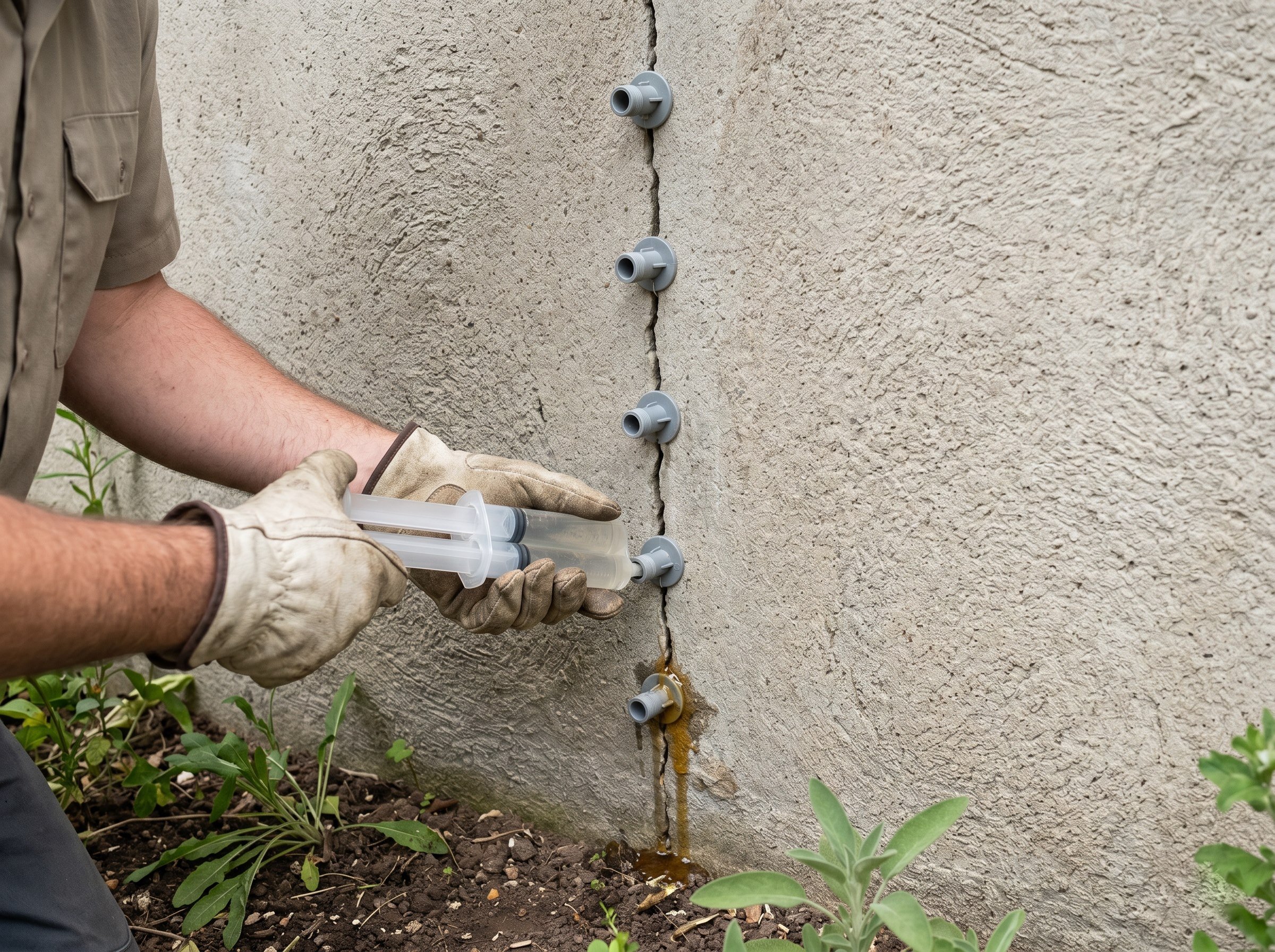
Ports are spaced to manufacturer rules, faces are sealed to control resin travel, and pressures stay within safe limits. We log layouts, batch numbers, temperatures, and pressures so commercial clients can file injection evidence without argument.
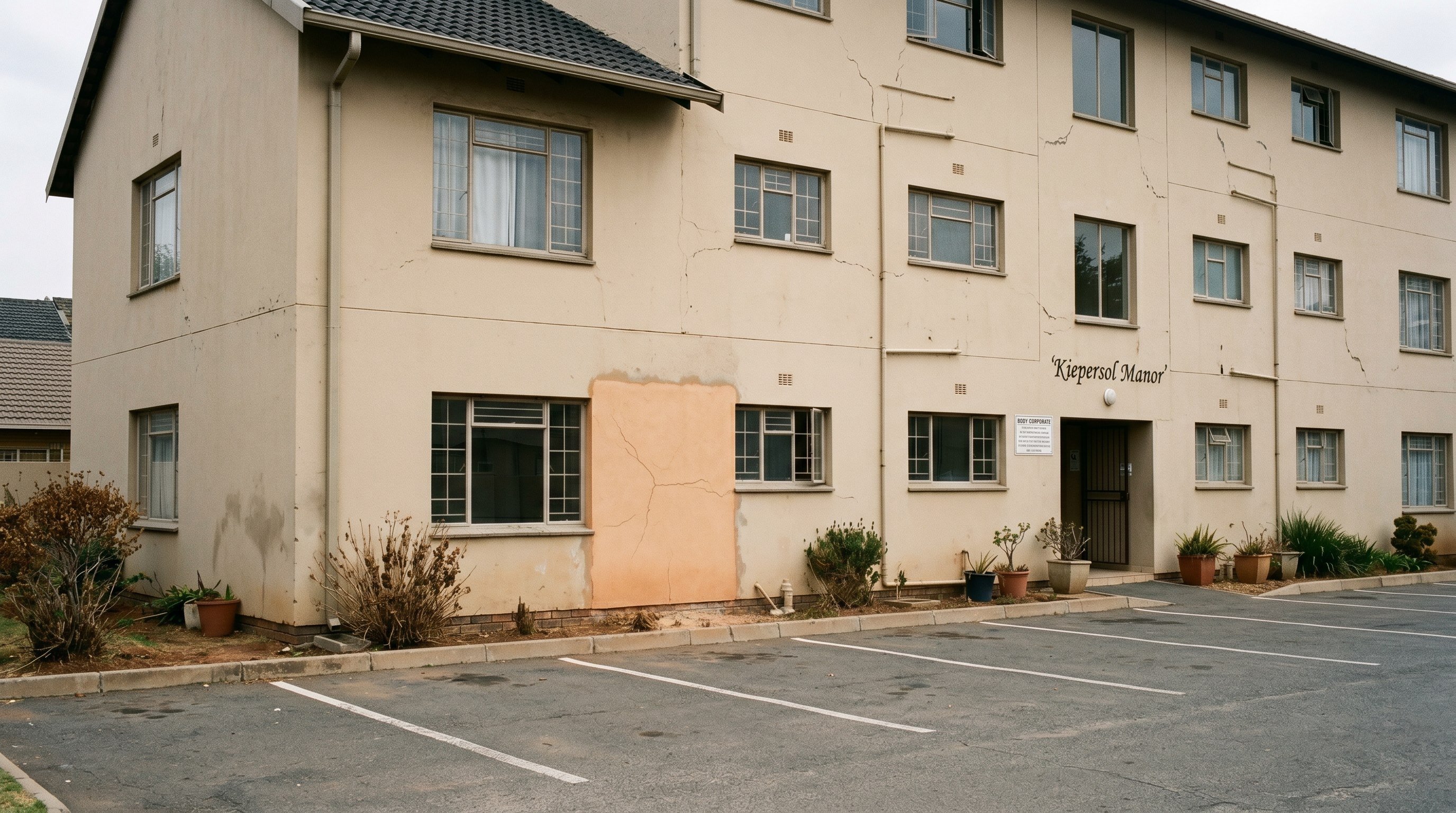
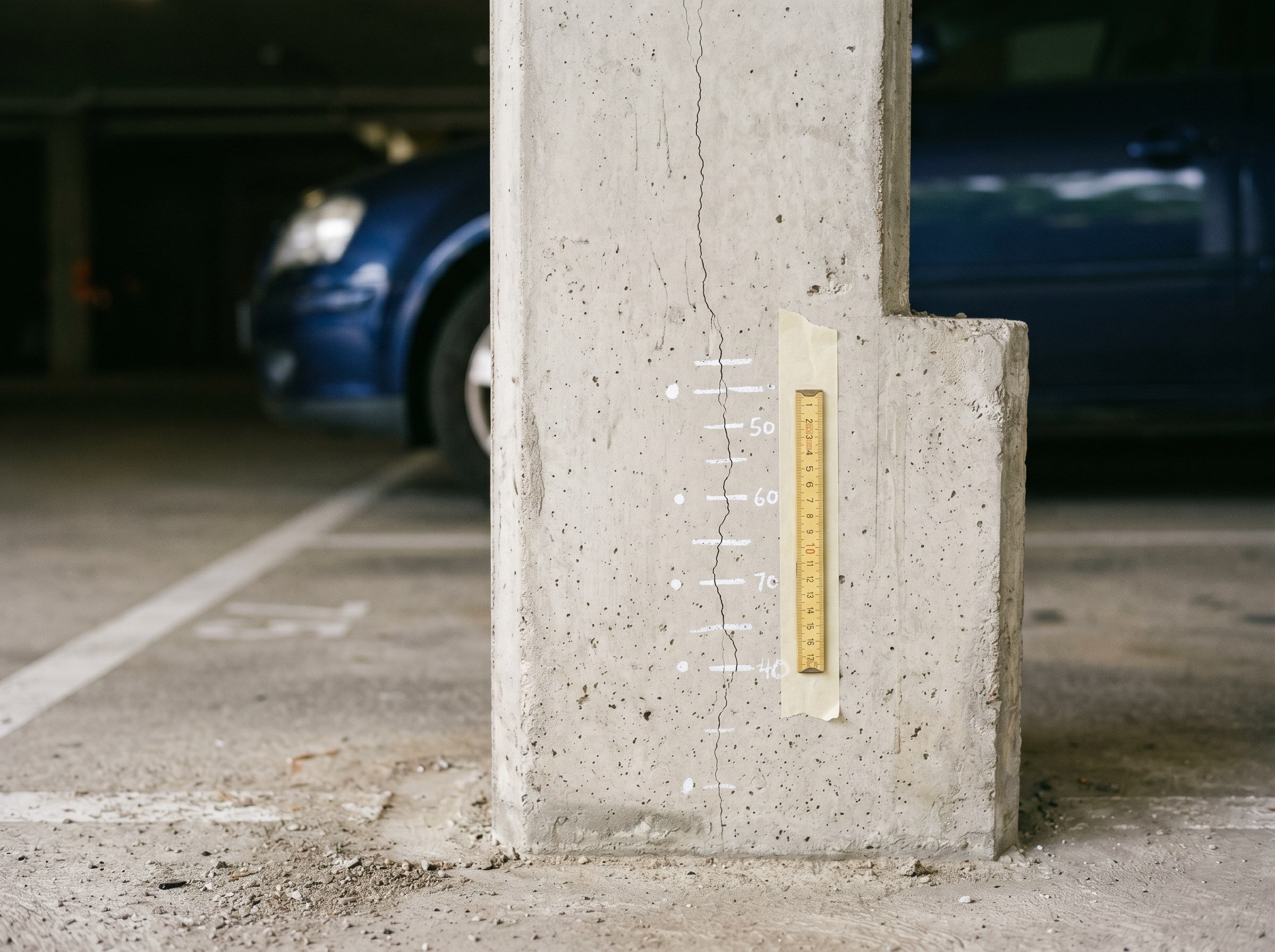
Injection rarely replaces drainage fixes, joint rebuilds, or membrane renewal. We map whether cracks reflect settlement, thermal movement, or hydrostatic load so portfolios do not fund cosmetic resin while the real driver keeps working.
Core interventions
Engineer-approved protocols. Auditable repairs. Zero fluff.
PHASE_01
Epoxy suits stable, dry cracks where structural bond is specified; polyurethane tolerates movement and active water in many leak paths.
PHASE_02
Ports are spaced to manufacturer rules, faces are sealed to control resin travel, and pressures stay within safe limits.
PHASE_03
Injection rarely replaces drainage fixes, joint rebuilds, or membrane renewal.
PHASE_04
Trustees need language that stays compliance-safe.
Why structural remediation belongs in your maintenance plan
Phase 01 / Assessment
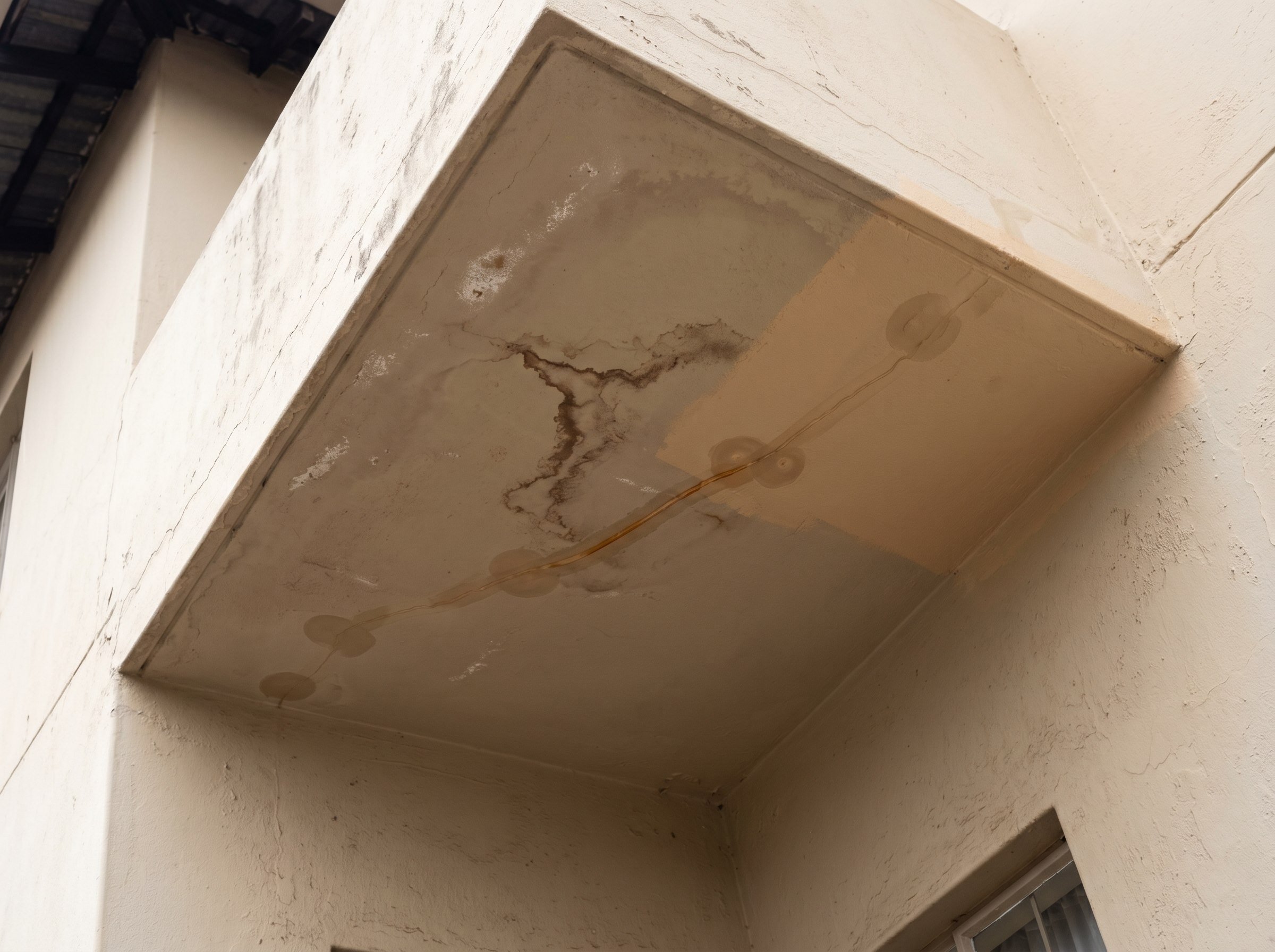
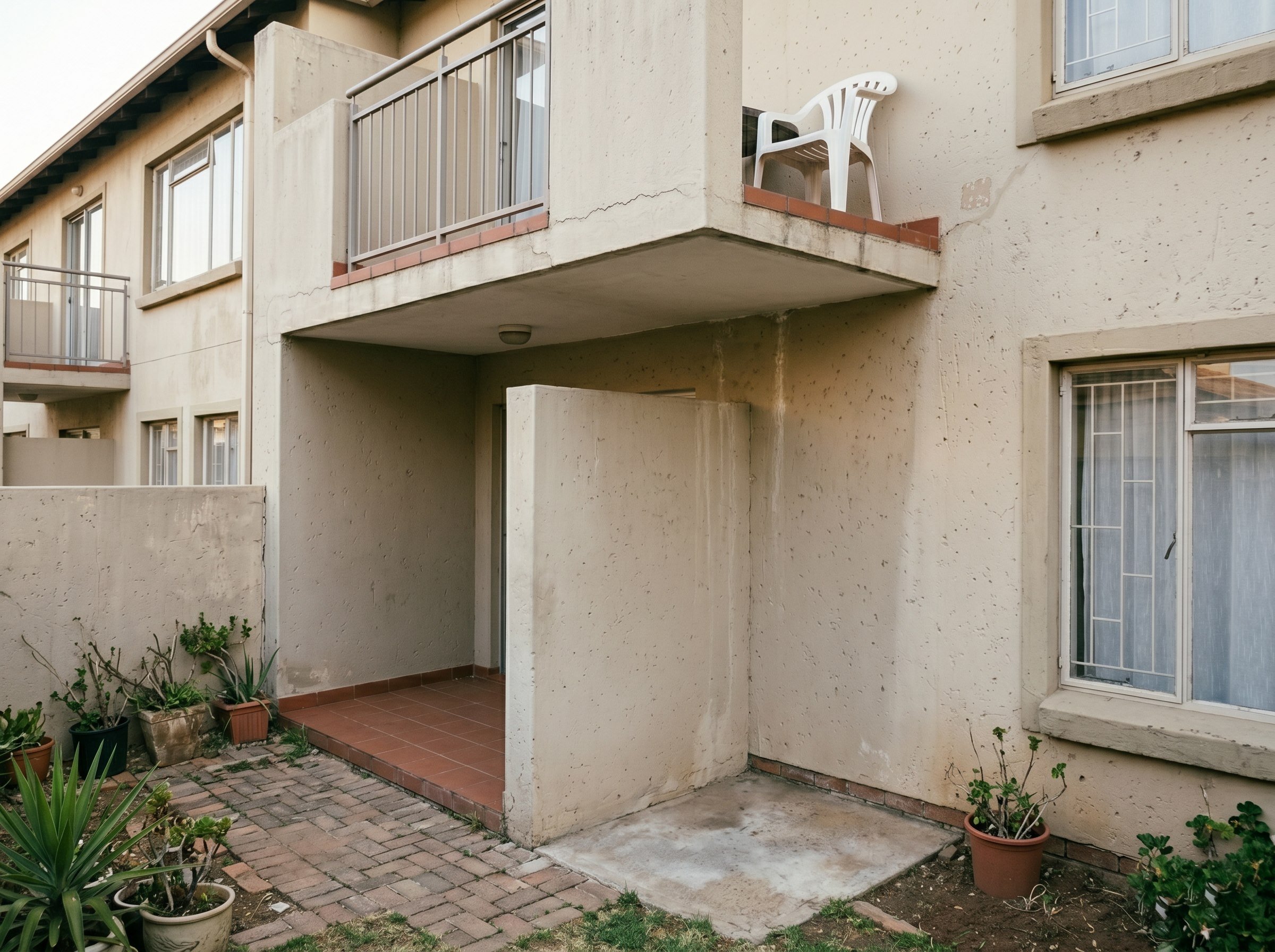
Injection was paired with localised waterproofing upgrades at drainage dishes to stop chlorides re-entering after the structural repair closed.
Epoxy suits stable, dry cracks where structural bond is specified; polyurethane tolerates movement and active water in many leak paths. Wrong chemistry fails twice, we match resin class to crack behaviour, moisture, and engineer guidance, not habit.
Ports are spaced to manufacturer rules, faces are sealed to control resin travel, and pressures stay within safe limits. We log layouts, batch numbers, temperatures, and pressures so commercial clients can file injection evidence without argument.
Injection rarely replaces drainage fixes, joint rebuilds, or membrane renewal. We map whether cracks reflect settlement, thermal movement, or hydrostatic load so portfolios do not fund cosmetic resin while the real driver keeps working.
Related scope: Concrete spalling repair
Each page below targets a distinct failure mode and procurement keyword cluster, improving topical clarity for search engines and giving technical buyers the depth they expect before inviting a site walk-down.
Rebar exposure, passivation, polymer-modified mortars, anti-carbonation finishes, and QA documentation for façades, parking grids, and plant assets.
Epoxy vs polyurethane decision logic, injection porting, pressure discipline, and integration with waterproofing renewals.
Traffic-rated joint rebuilds, armour angles, podium interfaces, and phased programmes for live logistics and retail facilities.
Phase 02 / Execution
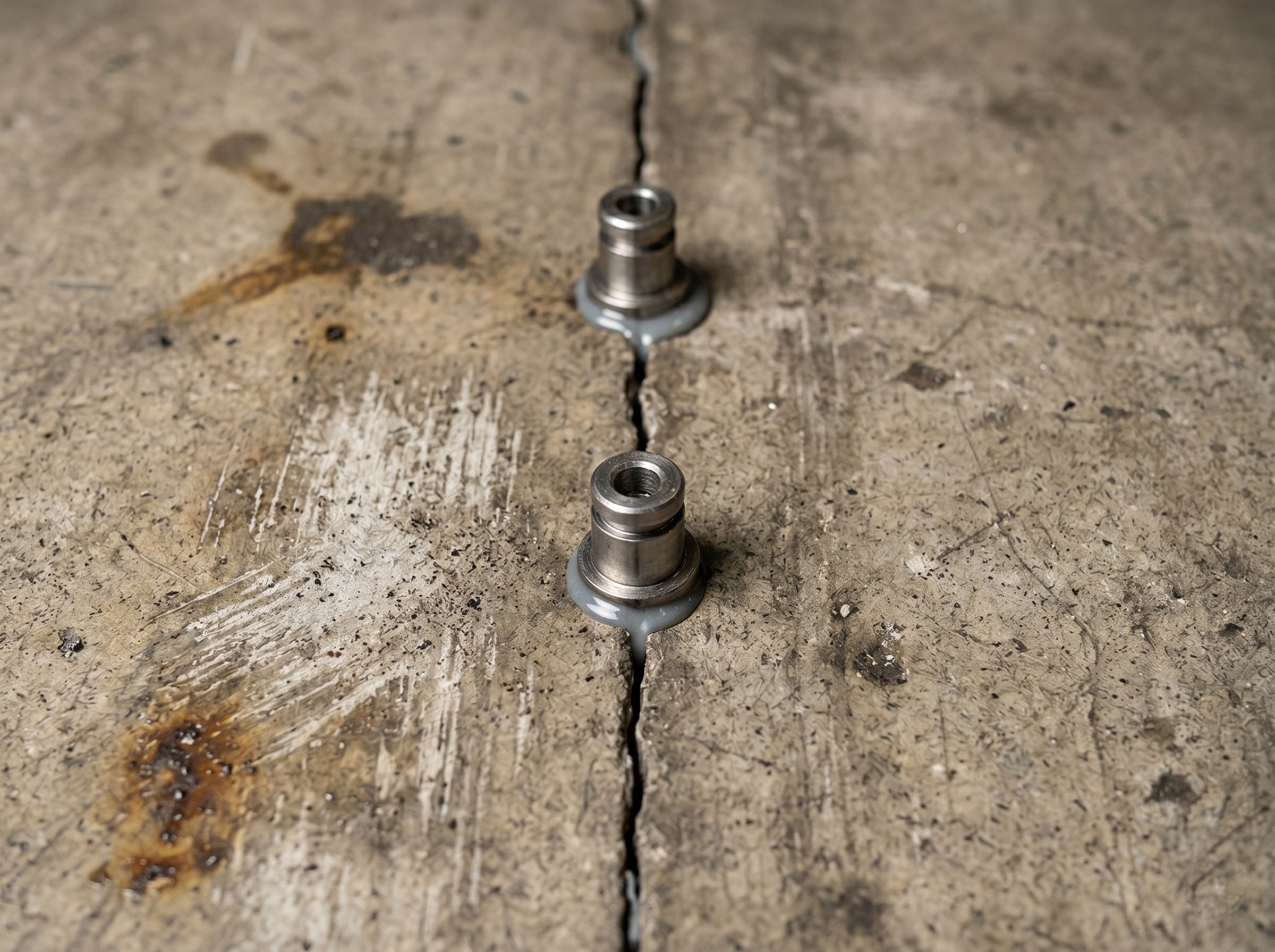
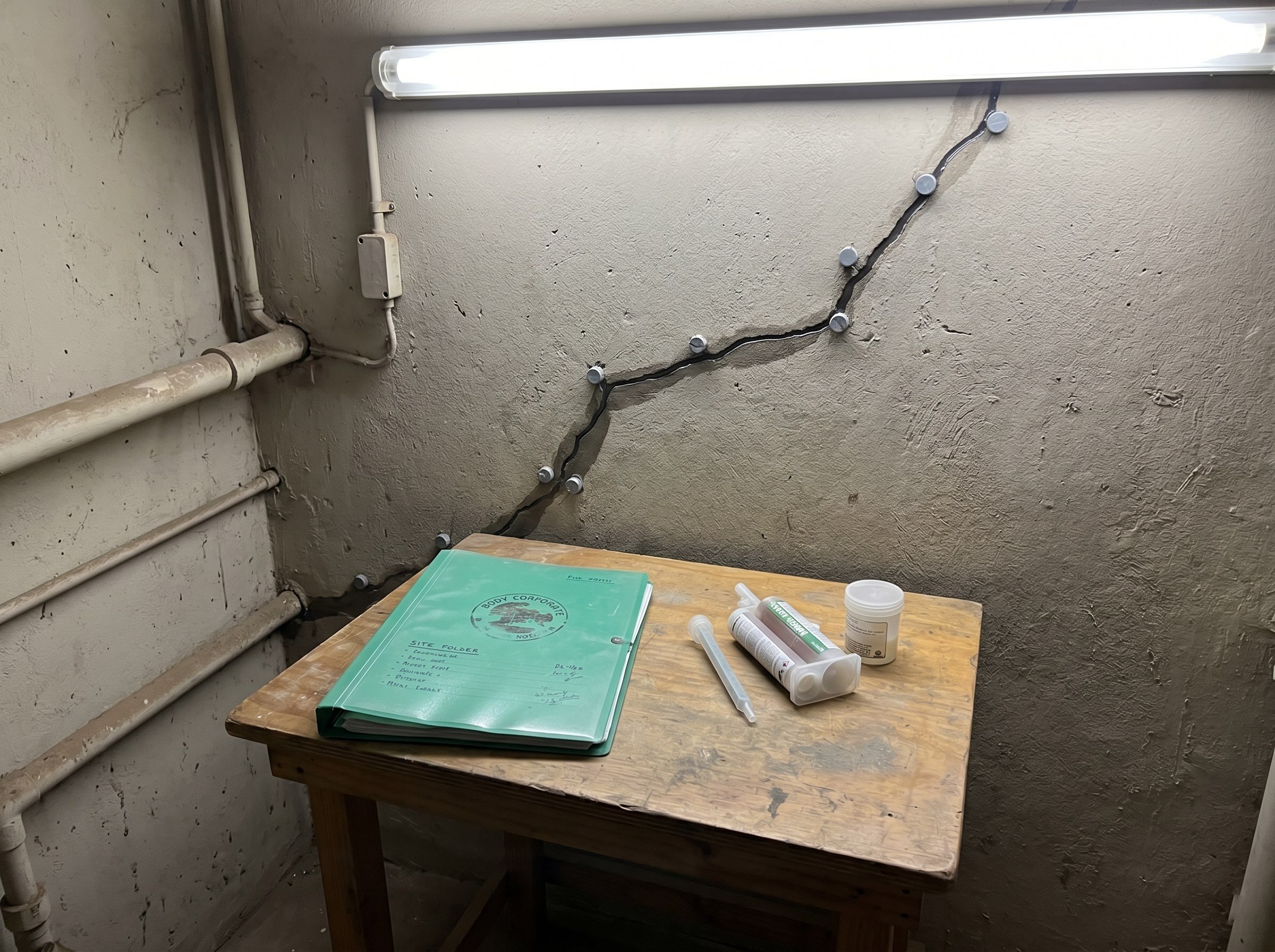
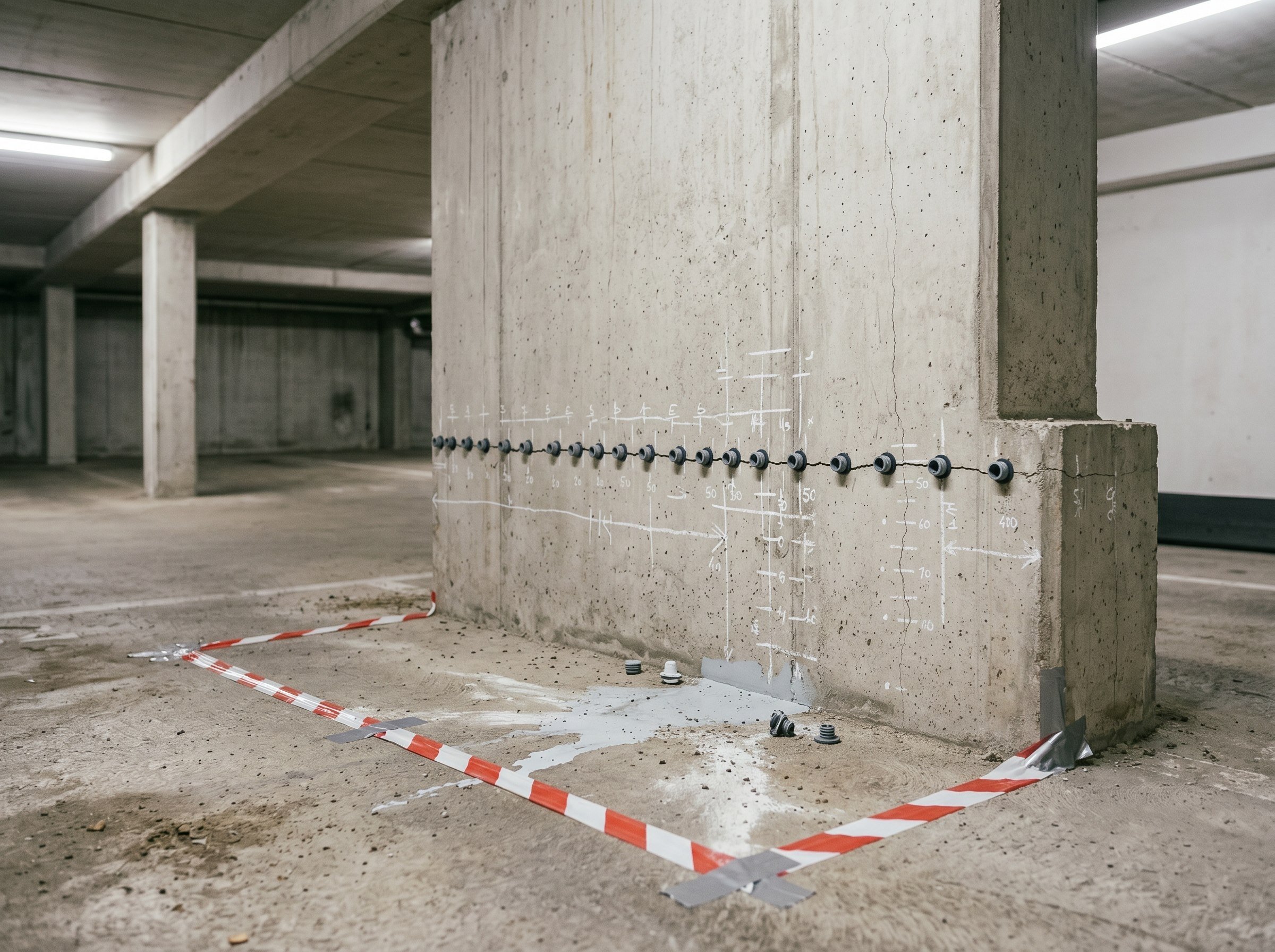
Polyurethane injection stemmed active flow long enough to allow phased waterproofing renewal above without flooding tenants below.
Ports are spaced to manufacturer rules, faces are sealed to control resin travel, and pressures stay within safe limits. We log layouts, batch numbers, temperatures, and pressures so commercial clients can file injection evidence without argument.
Injection rarely replaces drainage fixes, joint rebuilds, or membrane renewal. We map whether cracks reflect settlement, thermal movement, or hydrostatic load so portfolios do not fund cosmetic resin while the real driver keeps working.
Trustees need language that stays compliance-safe. We execute engineer-specified injection details and flag when monitoring or intrusive investigation is advisable instead of promising injection will fix every structural question on site.
Related scope: Expansion joint sealing
Phase 03 / Handover
Epoxy injection restored stiffness ahead of a heavy equipment re-rig after engineer review of crack stability monitoring data.
Injection rarely replaces drainage fixes, joint rebuilds, or membrane renewal. We map whether cracks reflect settlement, thermal movement, or hydrostatic load so portfolios do not fund cosmetic resin while the real driver keeps working.
Trustees need language that stays compliance-safe. We execute engineer-specified injection details and flag when monitoring or intrusive investigation is advisable instead of promising injection will fix every structural question on site.
Epoxy suits stable, dry cracks where structural bond is specified; polyurethane tolerates movement and active water in many leak paths. Wrong chemistry fails twice, we match resin class to crack behaviour, moisture, and engineer guidance, not habit.
Related scope: Basement & negative-side waterproofing
Technical answers for procurement teams, trustees, and facility managers in Gauteng.
Broadly, epoxy is selected for structural bonding in appropriately prepared dry cracks; polyurethane chemistries are often used where water is actively moving and flexible sealing is required. Final selection must follow engineer/manufacturer guidance.
Injection fills the internal fracture network; surface finishing may still require levelling or coating programmes depending on exposure and aesthetics.
Through crack mapping, movement history, moisture profiling, and sometimes monitoring. If cracks are opening progressively, injection alone may be inappropriate without structural intervention.
Sometimes, depending on thickness and leak path. Through-injection setups exist but are not always feasible, assessments define port geometry.
Warranties follow manufacturer systems and defined maintenance. We document scope boundaries so latent defects outside the injection path are not misrepresented as covered.
Small crack networks may finish in days; large parking grids require phasing. We provide programme narratives for BC meetings.
Our Unbeatable Guarantee
Unlike standard contractors who rely on biased, in-house quality checks, we use a trusted, independent third-party QA company on all projects. This is our commitment to verifiably superior quality.
A dedicated project manager and the independent body conduct an on-site assessment to determine the correct coating system and technical specification required for your specific asset.
The independent company performs continuous application inspections at every critical stage (surface prep, primer, film thickness) to ensure manufacturer requirements are met before the final coat.
You receive bi-weekly progress and substrate reports providing a complete, recorded history of the project. This delivers objective proof of quality and total peace of mind for trustees and facility managers.
Verifiable Proof of Quality
Ready for Verifiable, Zero-Risk Quality?
Contact us today to schedule an on-site assessment and receive your substrate-specific specification.