
PHASE_01
Moisture Diagnostics
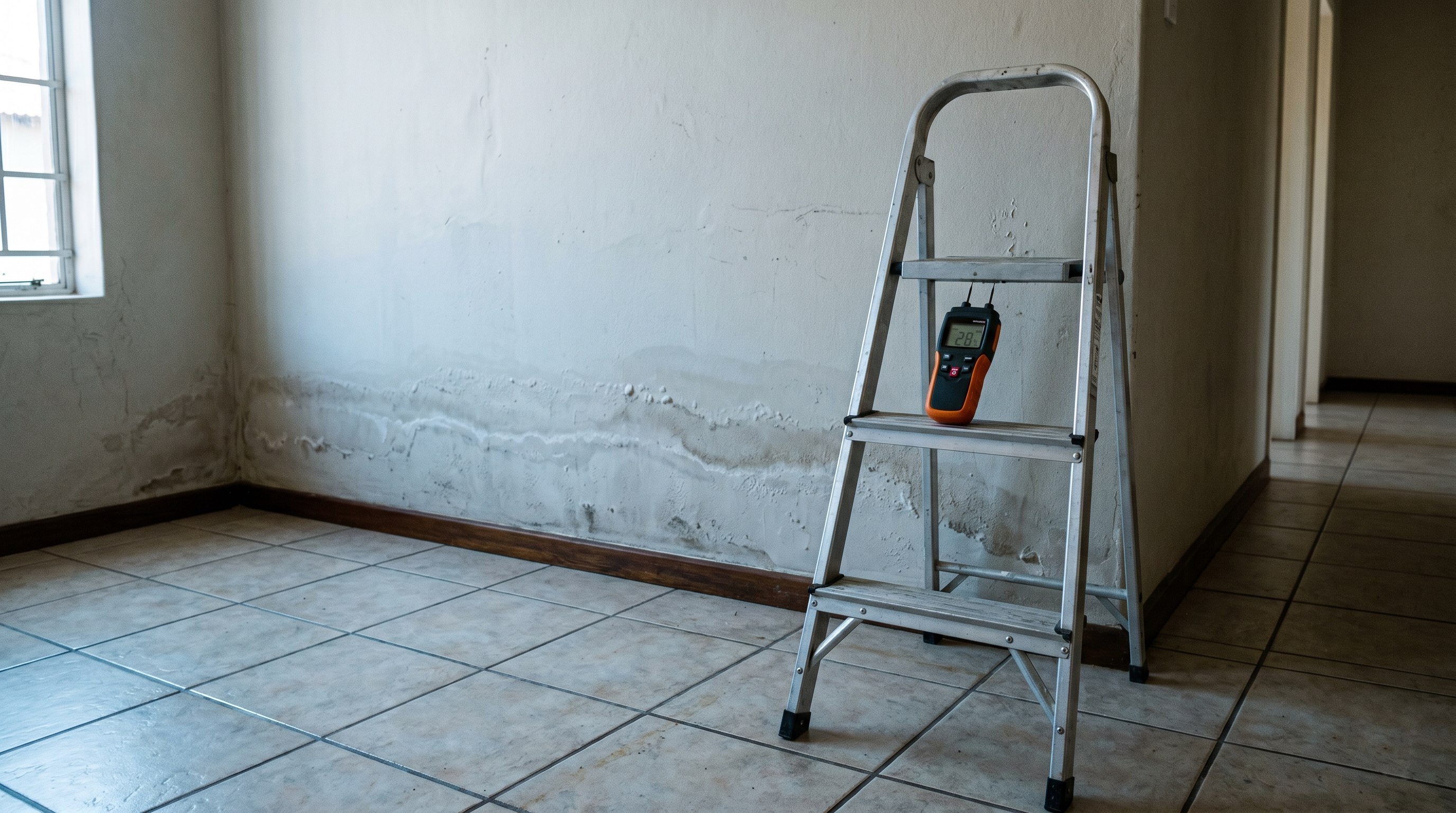
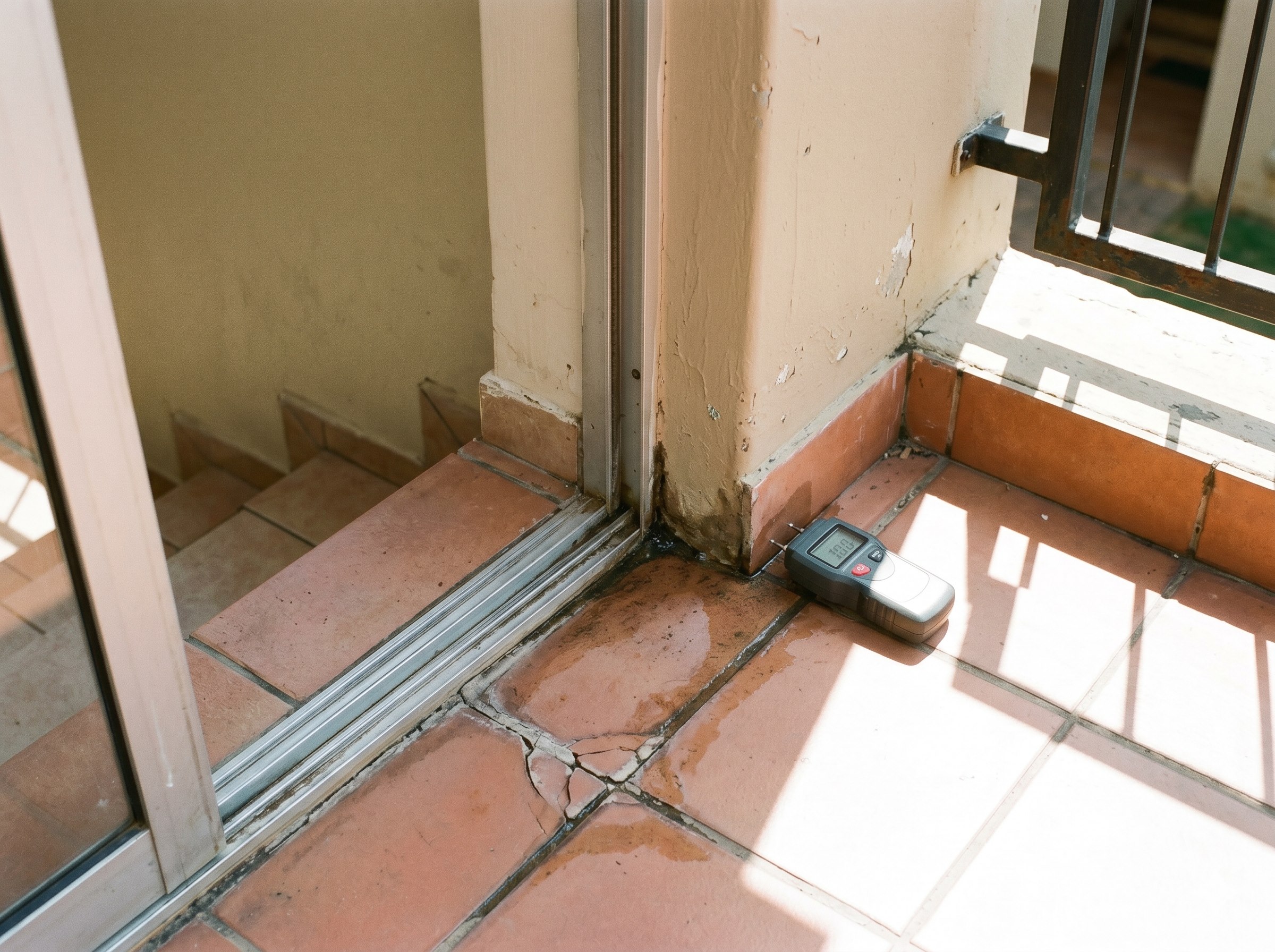
Profiled readings, thermography where useful, and invasive samples when needed distinguish capillary rise, lateral bridges, and HVAC.
Salt bands, blistering paint, and musty ground-floor rooms can be rising damp, lateral ingress, or condensation. We diagnose before we inject, replaster, or promise a barrier that the wall never needed.
Profiled readings, thermography where useful, and invasive samples when needed distinguish capillary rise, lateral bridges, and HVAC condensation before anyone drills for a chemical barrier.
Silane, siloxane, or resin creams are placed in regulated drill patterns to reinstate a horizontal barrier matched to single-leaf, cavity, or infill construction, spacing follows manufacturer and wall-build logic.
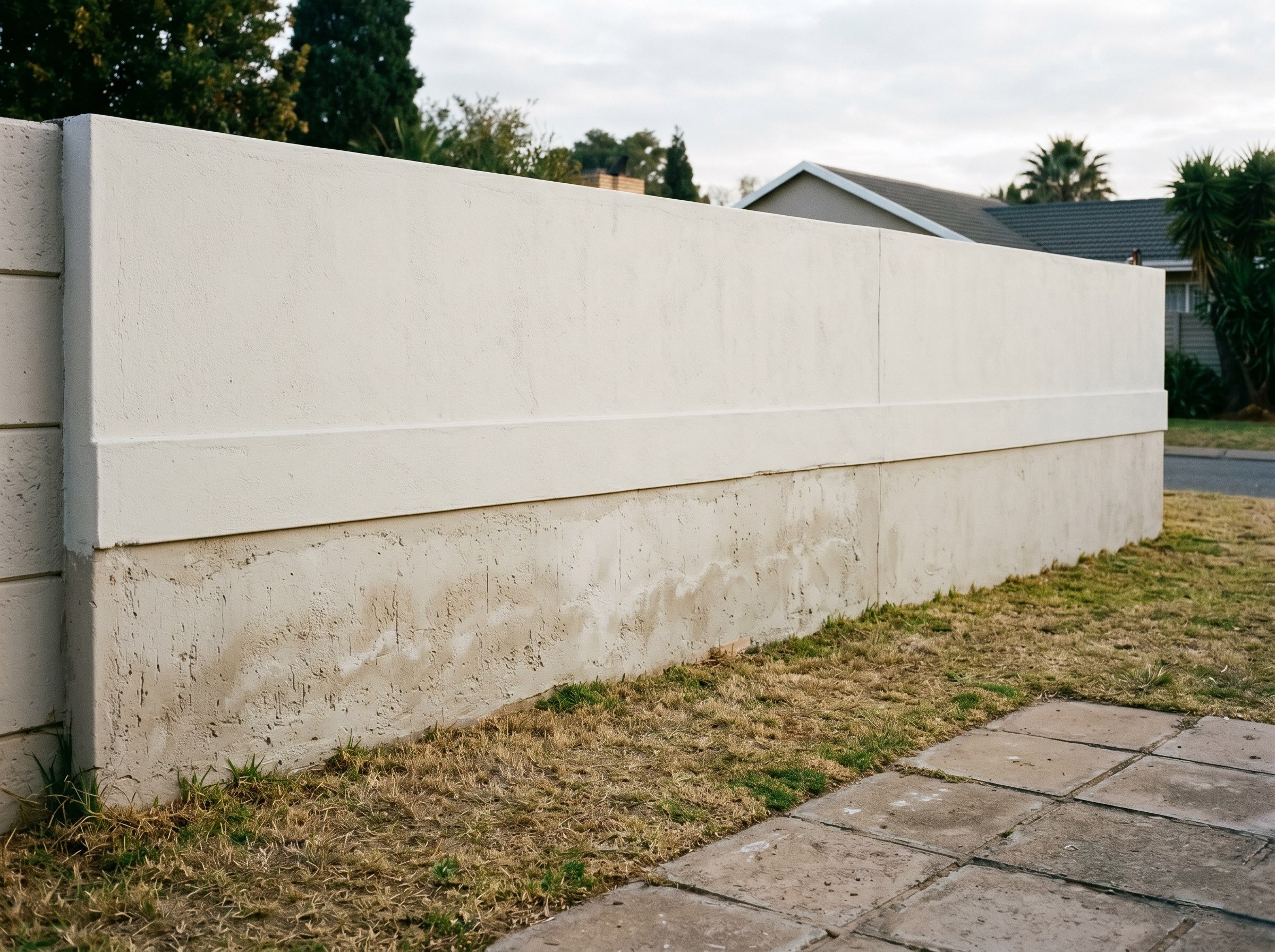
Core interventions
Measure first. Treat the mechanism. Document the barrier.
PHASE_01
Profiled readings, thermography where useful, and invasive samples when needed distinguish capillary rise, lateral bridges, and HVAC.
PHASE_02
Silane, siloxane, or resin creams are placed in regulated drill patterns to reinstate a horizontal barrier matched to single-leaf, cavity, or.
PHASE_03
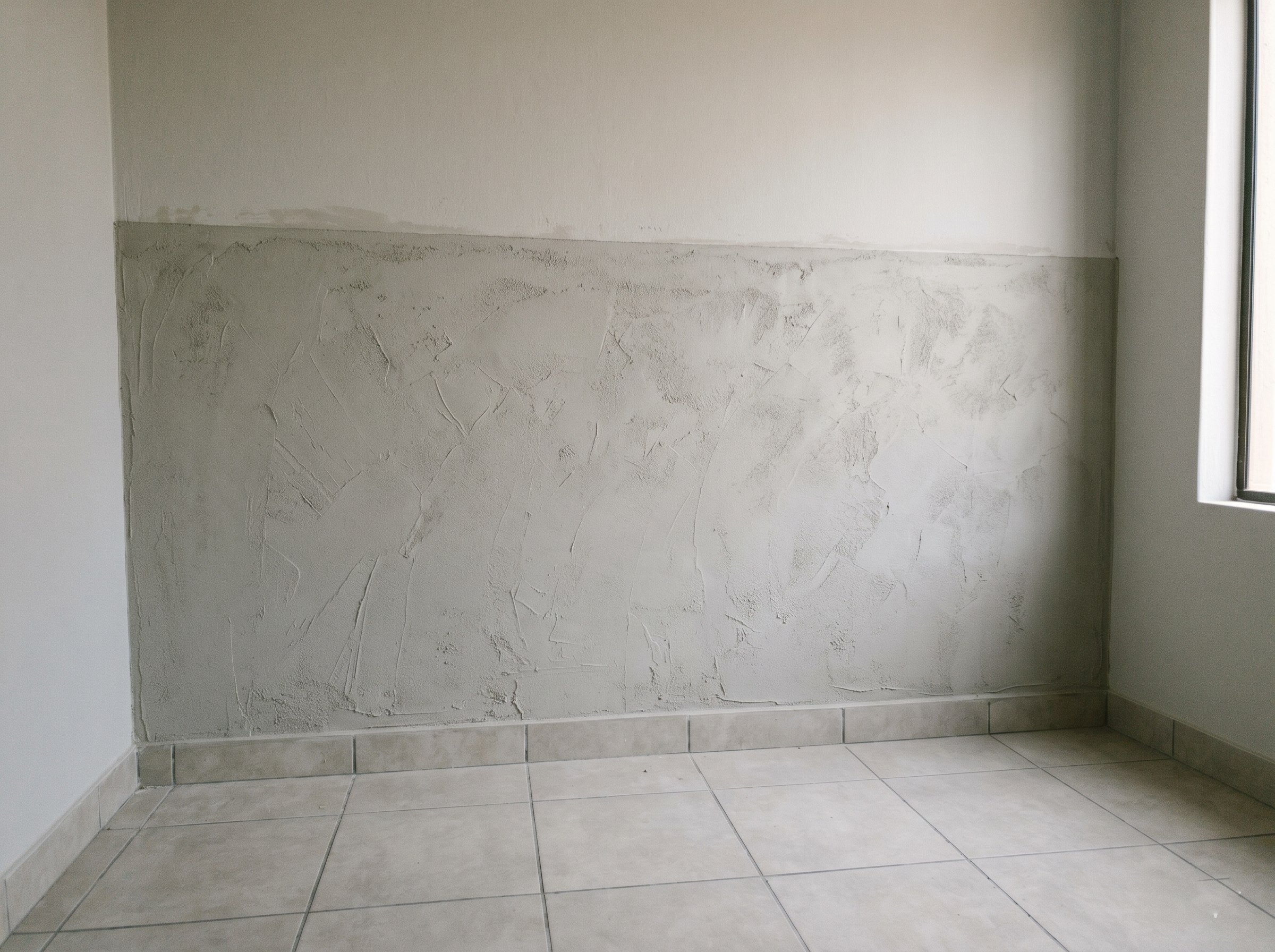
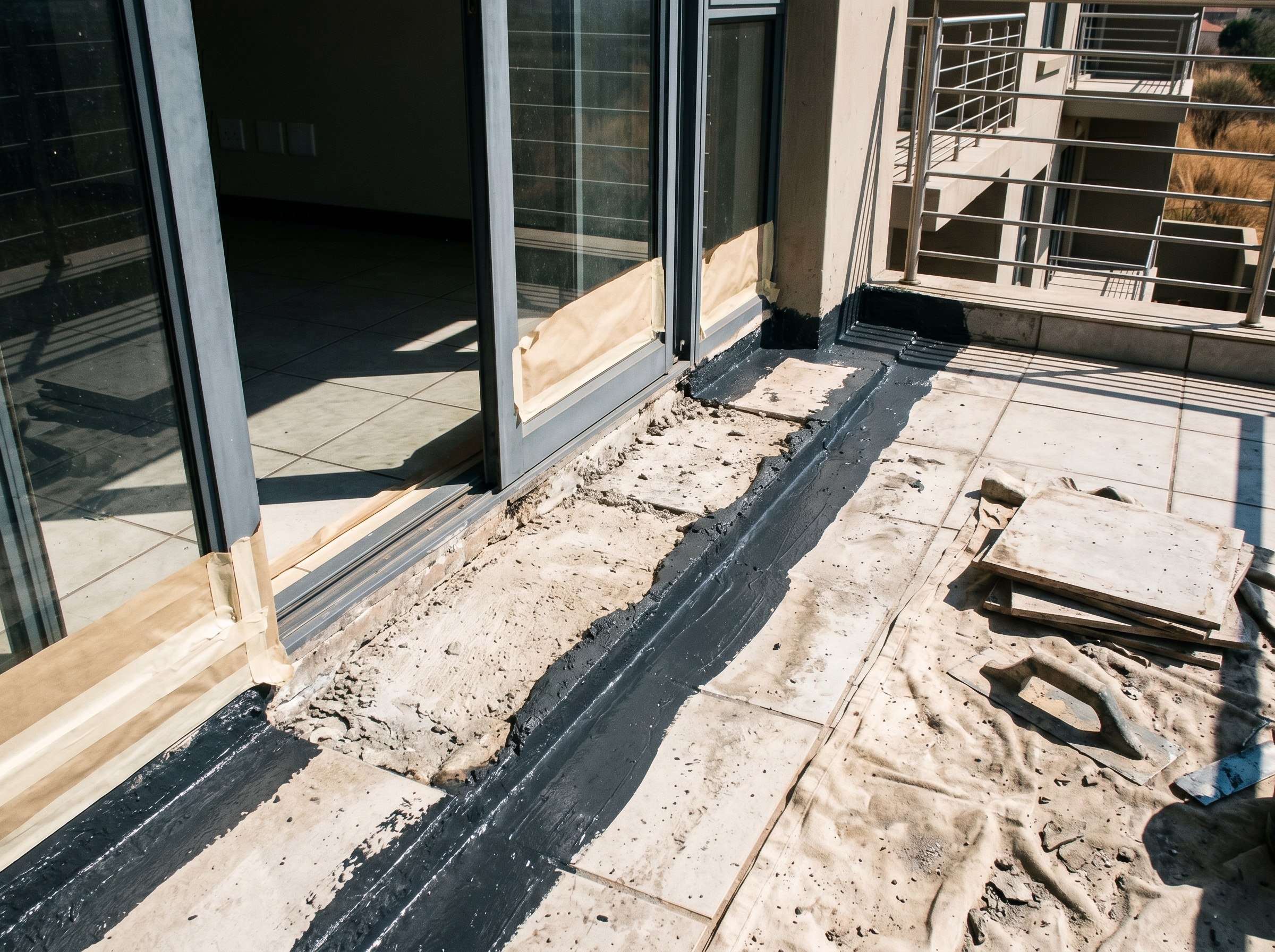
Contaminated plaster comes off in controlled lifts and returns with salt-retardant systems and compatible primers so finishes do not blister.
PHASE_04
Drying curves, moisture re-checks, and compatible topcoat windows are published for trustees and homeowners so decoration starts only when.
Why rising damp needs diagnosis before demolition
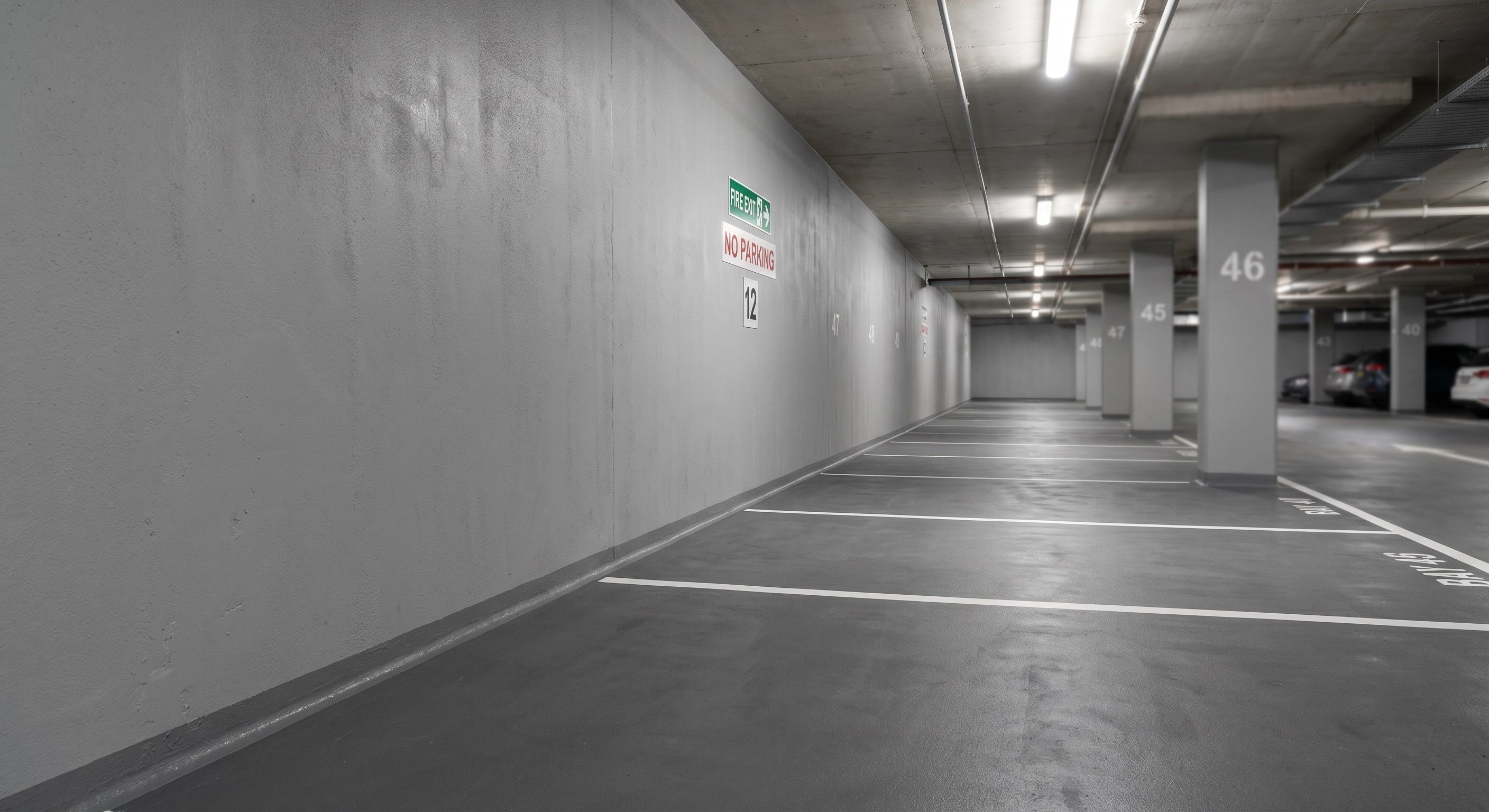
Phase 01 / Diagnosis
It is rarely obvious which moisture mechanism you are fighting. Ground-floor staining can be a failed DPC, a bridged cavity, a leaking pipe, or condensation that never crossed a chemical barrier. Injecting cream into the wrong problem wastes reserves and leaves the real defect laughing at your repaint schedule.
Our rising damp treatment page walks through injection, replastering, and drying windows in the language trustees and homeowners can file, not the language of a product datasheet alone.
Profiled readings, thermography where useful, and invasive samples when needed distinguish capillary rise, lateral bridges, and HVAC condensation before anyone drills for a chemical barrier.
Chemical DPC injection, salt analysis, replastering protocols, and sectional-title documentation for capillary rise in masonry walls.
Each page below targets a distinct moisture mechanism and procurement keyword cluster, giving technical buyers the depth they expect before inviting a site walk-down.
Chemical DPC injection, salt analysis, replastering protocols, and sectional-title documentation for capillary rise in masonry walls.
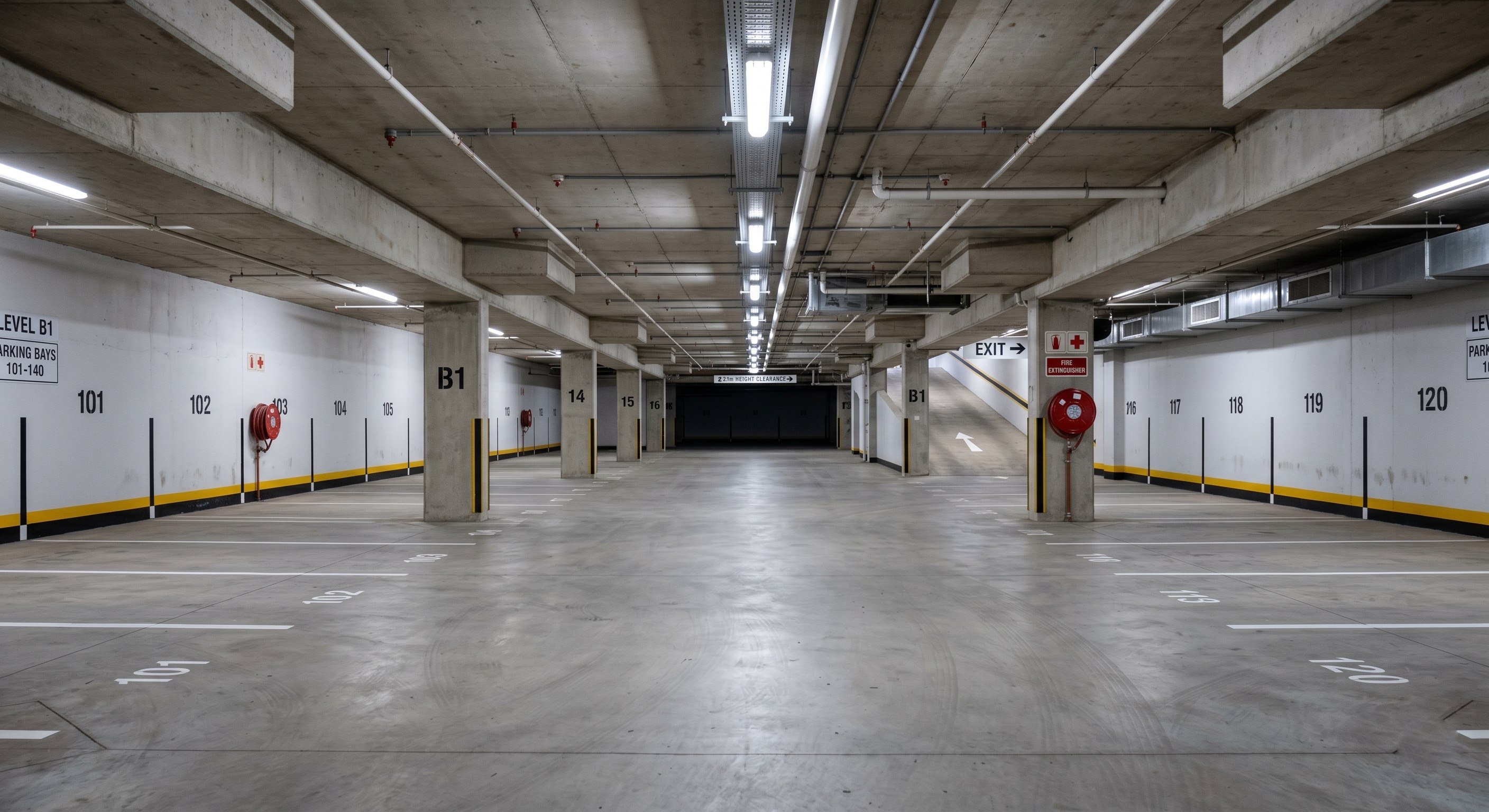
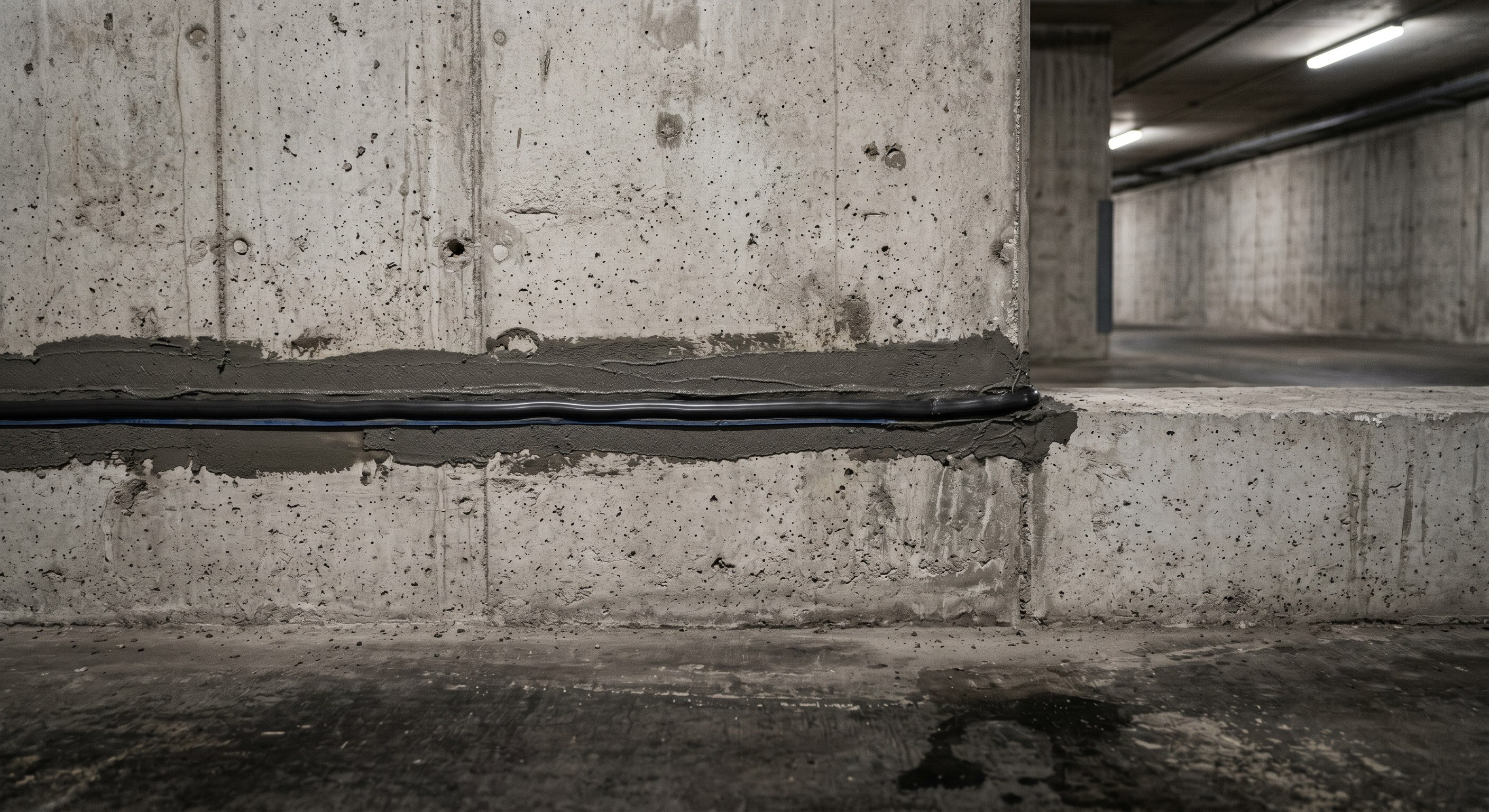
Negative- vs positive-side logic, active leak management, lift pits, and parking slabs with hydrostatic pressure risk.
Sectional-title documentation, low-disruption options, exclusive-use interfaces, and coordination with structural arris repairs.
Phase 02 / Masonry
Hygroscopic salts in plaster keep pulling moisture long after a barrier is installed. Skipping salt-retardant replastering is how you get the callback where the painter is blamed for a damp problem the substrate never finished shedding.
Where below-ground structures are part of the story, we coordinate with basement tanking scopes so negative-side pressure and capillary rise are not treated as the same defect with different names.
Silane, siloxane, or resin creams are placed in regulated drill patterns to reinstate a horizontal barrier matched to single-leaf, cavity, or infill construction, spacing follows manufacturer and wall-build logic.
Negative- vs positive-side logic, active leak management, lift pits, and parking slabs with hydrostatic pressure risk.
Phase 03 / Finishes
Finishes fail on damp walls whether the specification said “breathable” or not. We document drying targets and compatible primers so painting programmes start on a substrate that has actually stabilised, not one that merely looks dry on a sunny Tuesday.
Read our rising damp guide for the owner-facing version, then invite us to map diagnostics to a method statement you can defend at the AGM.
Contaminated plaster comes off in controlled lifts and returns with salt-retardant systems and compatible primers so finishes do not blister through hygroscopic salts left behind after the barrier installs.
Sectional-title documentation, low-disruption options, exclusive-use interfaces, and coordination with structural arris repairs.
Technical answers for procurement teams, trustees, and facility managers in Gauteng.
Rising damp typically shows hygroscopic salt tide marks up to about one metre from the floor via capillary action. Condensation often appears as black mould on cold thermal bridges in bathrooms and bedrooms with poor ventilation, different remedies apply.
When exterior excavation is impossible, crystalline or cementitious systems are applied internally to manage hydrostatic pressure. Feasibility depends on wall build and engineer design, Maverick implements specified systems with active leak control first.
Silane/siloxane creams or fluids create a horizontal moisture barrier in masonry at the correct level. Replastering with salt-resistant render and reinstating finishes follows successful injection, we do not paint over active salt contamination.
Injection may stop new moisture rise, but hygroscopic salts in existing plaster often require removal and specialist replastering. Covering symptoms with standard paint usually fails within one rainy season.
Yes where specified. Lateral ingress may need external grading, tanking, or cavity management in addition to DPC work. We diagnose moisture paths before recommending a single-product fix.
Injection and replaster phases are typically phased room-by-room to limit disruption. Cure times and moisture monitoring are documented before decorative coatings are applied.
Our Unbeatable Guarantee
Unlike standard contractors who rely on biased, in-house quality checks, we use a trusted, independent third-party QA company on all projects. This is our commitment to verifiably superior quality.
A dedicated project manager and the independent body conduct an on-site assessment to determine the correct coating system and technical specification required for your specific asset.
The independent company performs continuous application inspections at every critical stage (surface prep, primer, film thickness) to ensure manufacturer requirements are met before the final coat.
You receive bi-weekly progress and substrate reports providing a complete, recorded history of the project. This delivers objective proof of quality and total peace of mind for trustees and facility managers.
Verifiable Proof of Quality
Ready for Verifiable, Zero-Risk Quality?
Contact us today to schedule an on-site assessment and receive your substrate-specific specification.