
PHASE_01
HACCP, R638 & regulatory context
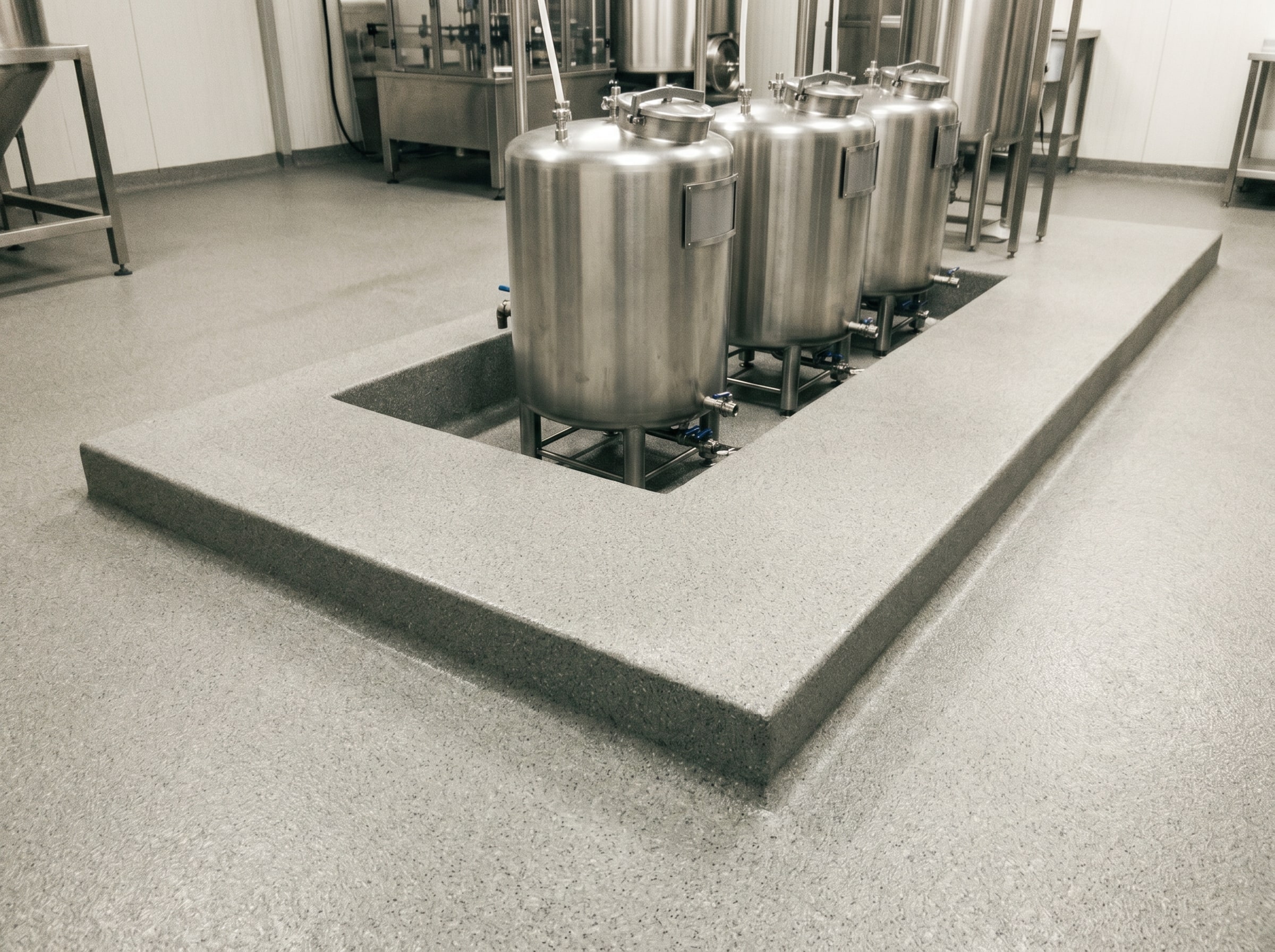
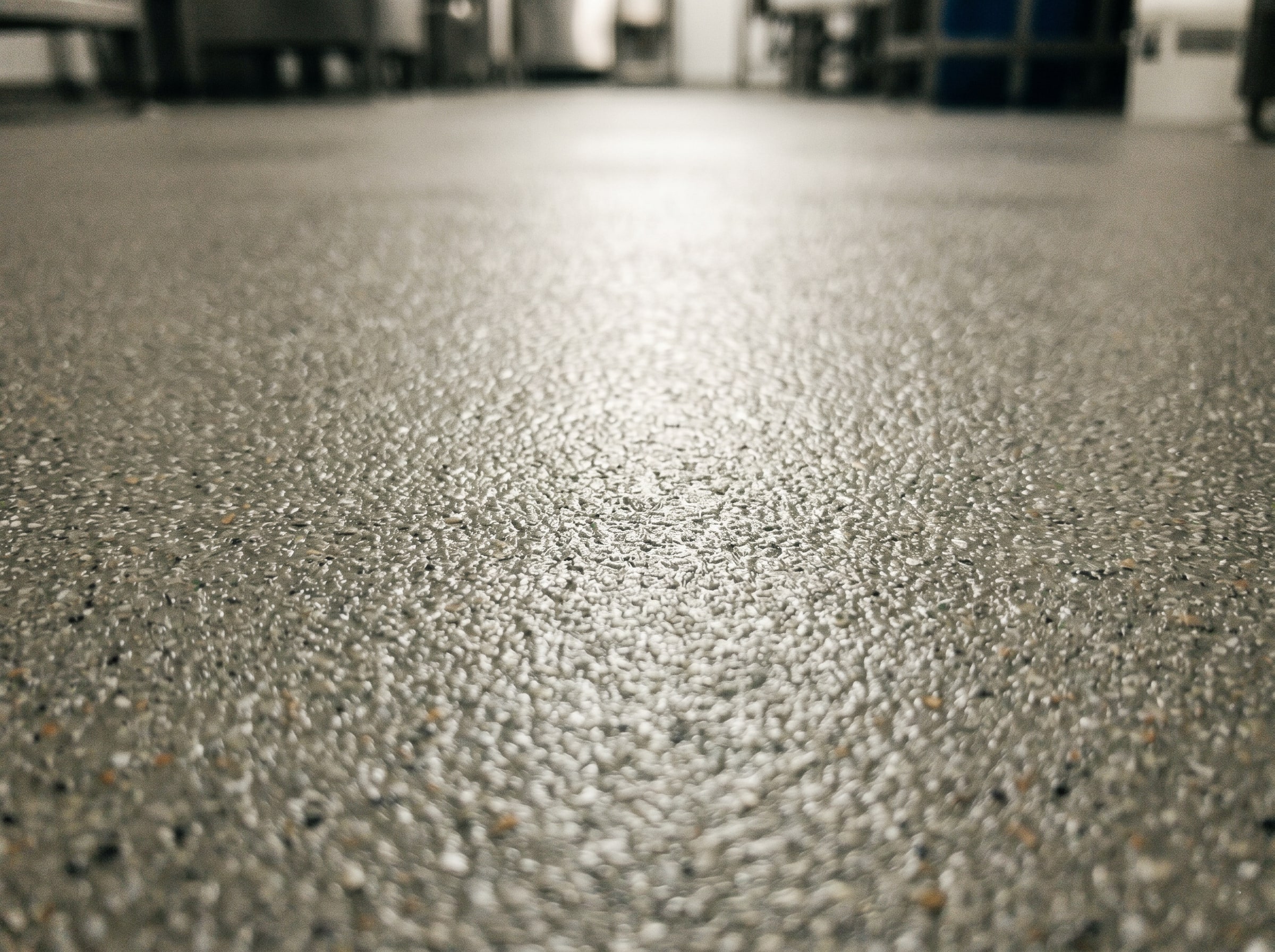
Food and beverage, pharmaceutical, and healthcare floors must be seamless, non-porous, and impervious to bacterial colonisation under R638, ISO.
Auditors do not reward pretty topcoats, they reward integral coving, pinhole-free surfaces, drainage falls, and cleanability under real washdown temperatures. Maverick installs polyurethane-cement and compatible systems where thermal shock, fats, acids, and aggressive cleaning cycles demand more than thin-film epoxy house paint rebranded as “hygienic.”
Food and beverage, pharmaceutical, and healthcare floors must be seamless, non-porous, and impervious to bacterial colonisation under R638, ISO 22002-1, and HACCP-driven facility programmes, Maverick supplies product evidence; facility certification remains the owner’s responsibility.
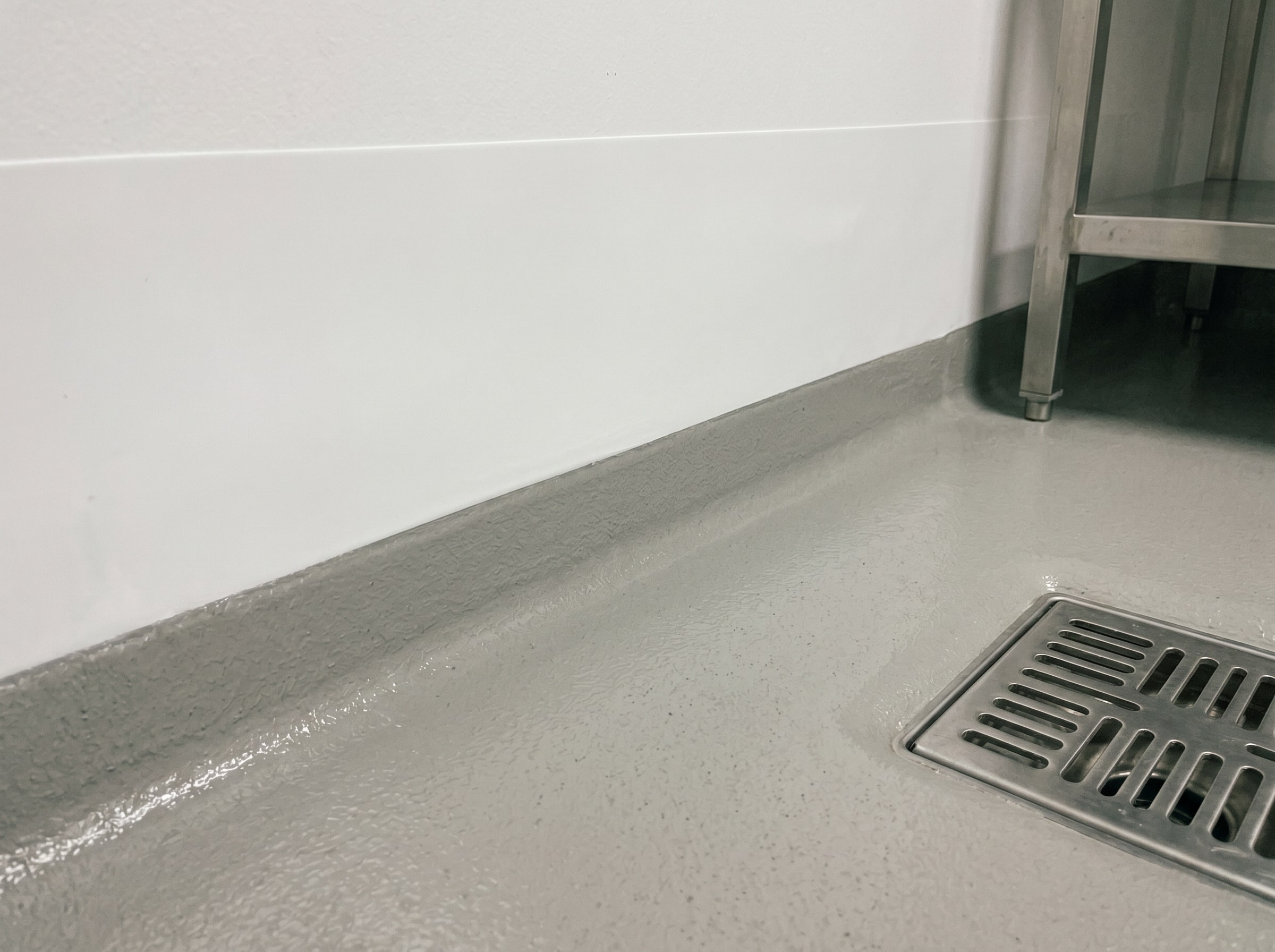
Square internal corners trap biofilm. Integral coving, typically 50–300 mm high, eliminates 90° angles where pathogens and debris accumulate. We detail stainless or resin coves, radius transitions, and drain surrounds to hygiene drawings and photograph critical interfaces before screeds close them from view.
Core interventions
Approved systems. Measured films. Auditable handover.
PHASE_01
Food and beverage, pharmaceutical, and healthcare floors must be seamless, non-porous, and impervious to bacterial colonisation under R638, ISO.
PHASE_02
Square internal corners trap biofilm.
PHASE_03
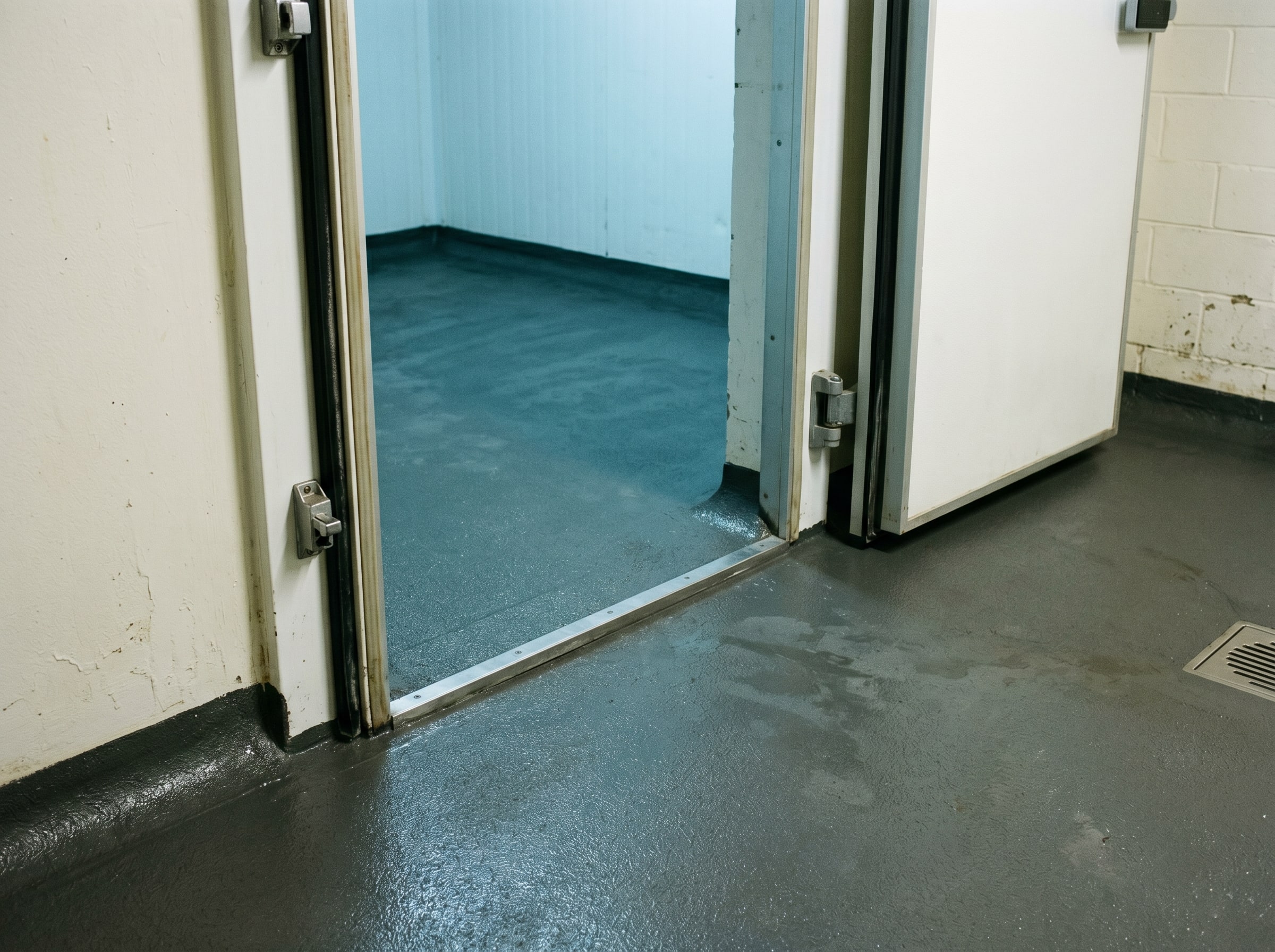
Process heat and cold-room edges punish standard epoxy.
PHASE_04
MMA or fast-cure windows only work when Thursday prep is complete.
Why high-performance systems fail on preparation, not product
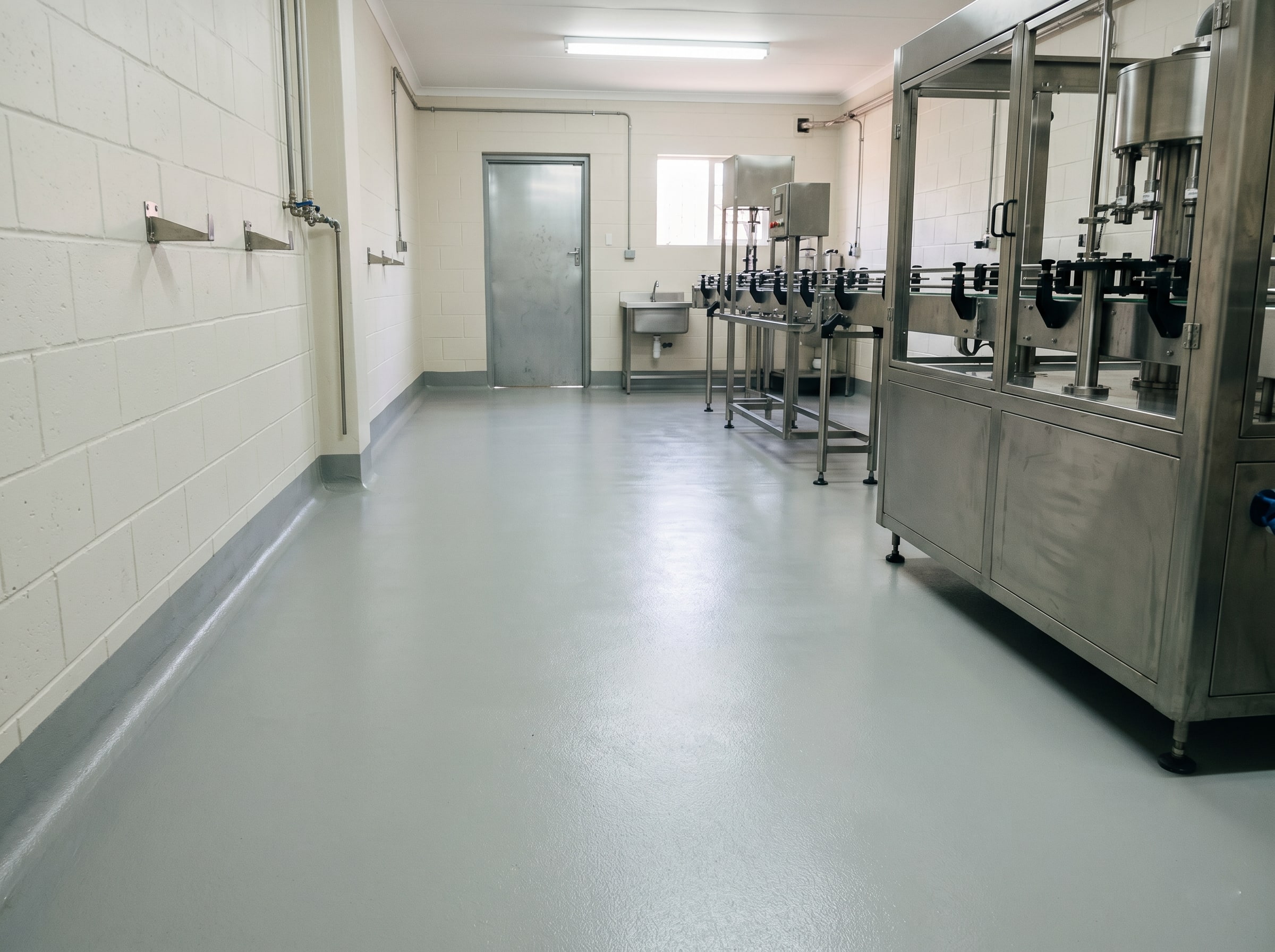
Phase 01 / Assessment
Thermal-shock screed survived daily oven washdowns after failed DIY epoxy blistered within months.
Food and beverage, pharmaceutical, and healthcare floors must be seamless, non-porous, and impervious to bacterial colonisation under R638, ISO 22002-1, and HACCP-driven facility programmes, Maverick supplies product evidence; facility certification remains the owner’s responsibility.
Square internal corners trap biofilm. Integral coving, typically 50–300 mm high, eliminates 90° angles where pathogens and debris accumulate. We detail stainless or resin coves, radius transitions, and drain surrounds to hygiene drawings and photograph critical interfaces before screeds close them from view.
Process heat and cold-room edges punish standard epoxy. PU-cement and compatible systems are matched to real temperatures and cleaning chemistry, selection follows exposure tables, not marketing adjectives on a brochure.
Related scope: Industrial epoxy & PU floors
Industrial floors, hygienic walls, and architectural texture systems carry different compliance expectations. Each spoke below targets the procurement language and QA artefacts buyers expect before mobilisation.
Chemical resistance, traffic ratings, fast-cure options, and QA documentation for warehouses, plants, and retail back-of-house.
Decorative cement floor finishes with slab checks, colour samples, sealer selection, and clean maintenance handover.
Preparation, sealing, coating, and maintenance for feature walls, facade cladding, fixings, joints, and exposed edges.
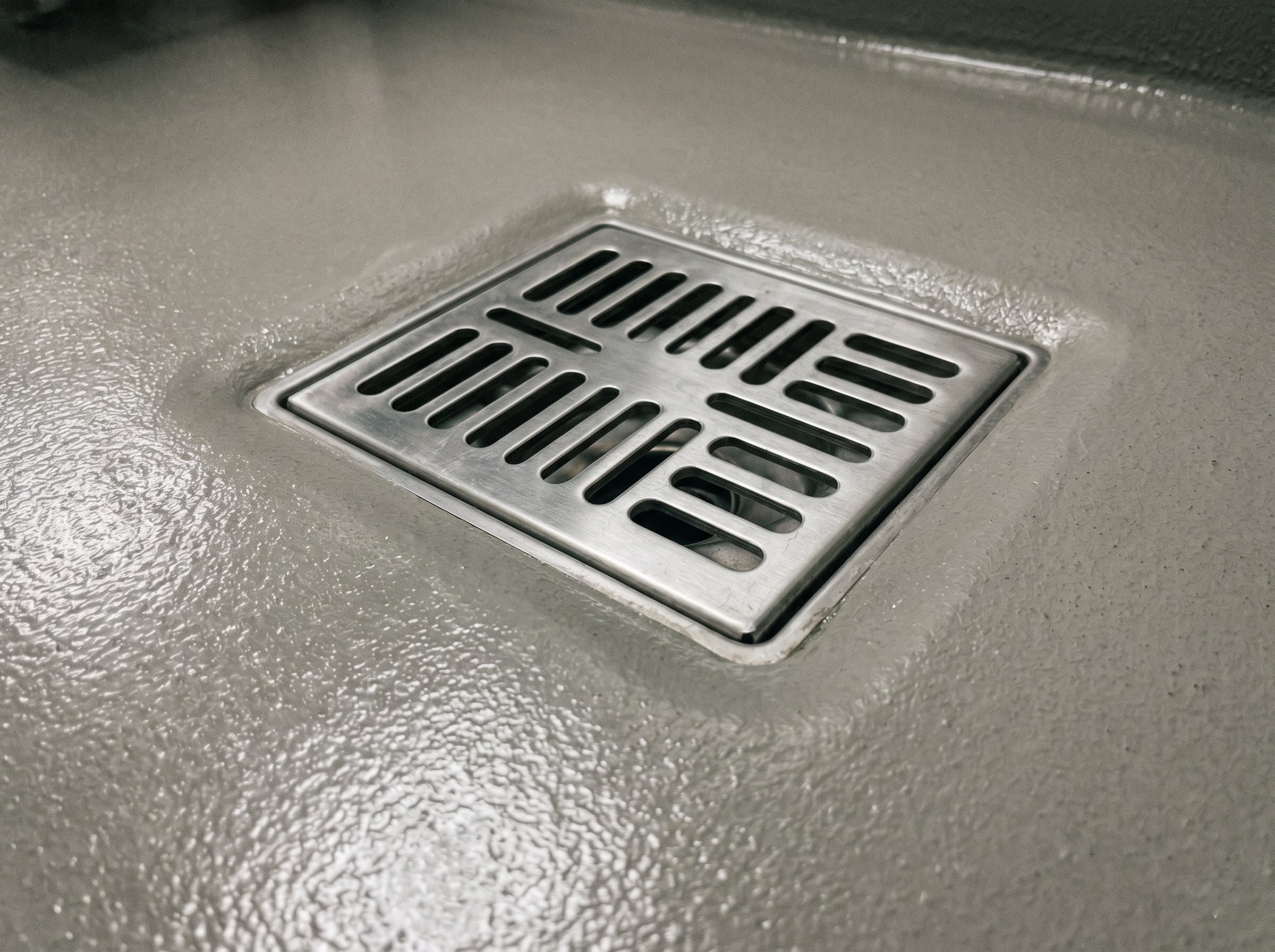
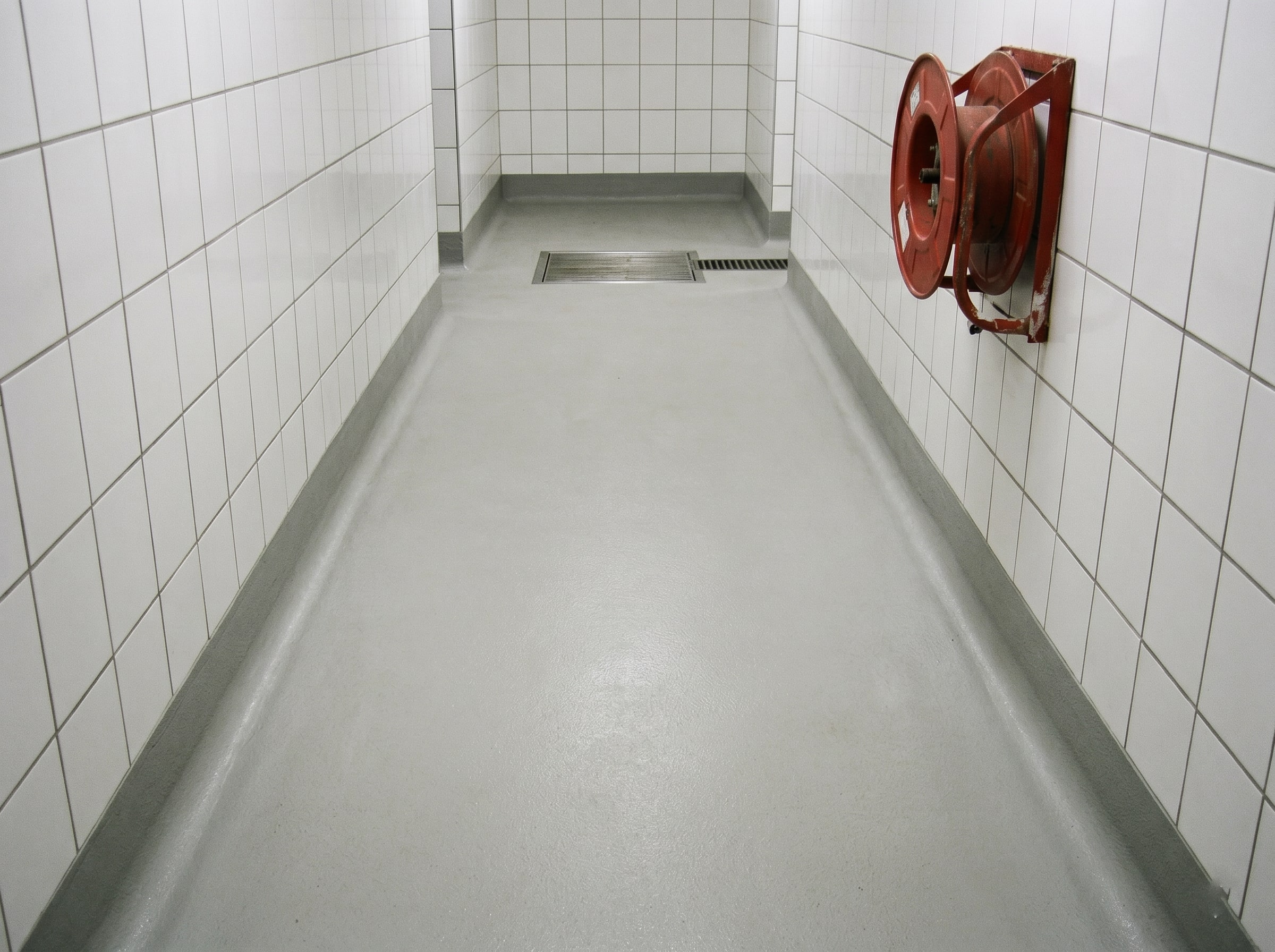
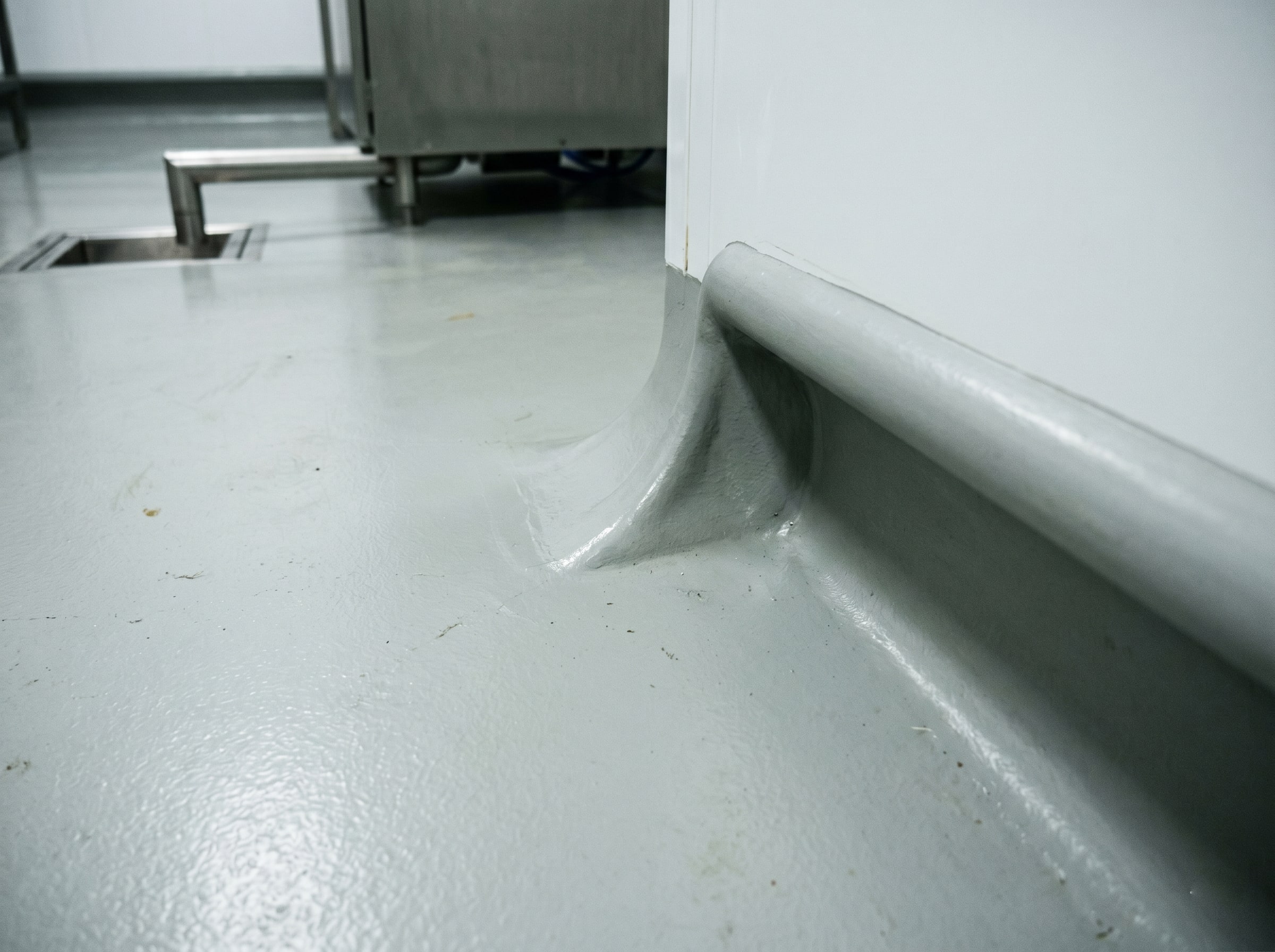
Phase 02 / Execution
Anti-slip profiles and drainage upgrades completed in a 54-hour shutdown with QA pulls filed Monday morning.
Square internal corners trap biofilm. Integral coving, typically 50–300 mm high, eliminates 90° angles where pathogens and debris accumulate. We detail stainless or resin coves, radius transitions, and drain surrounds to hygiene drawings and photograph critical interfaces before screeds close them from view.
Process heat and cold-room edges punish standard epoxy. PU-cement and compatible systems are matched to real temperatures and cleaning chemistry, selection follows exposure tables, not marketing adjectives on a brochure.
MMA or fast-cure windows only work when Thursday prep is complete. Plant hygiene sign-offs, bund checks, and commissioning wipes are written as gates so Friday night is execution, not catching up on grinding.
Related scope: Industrial corrosion control
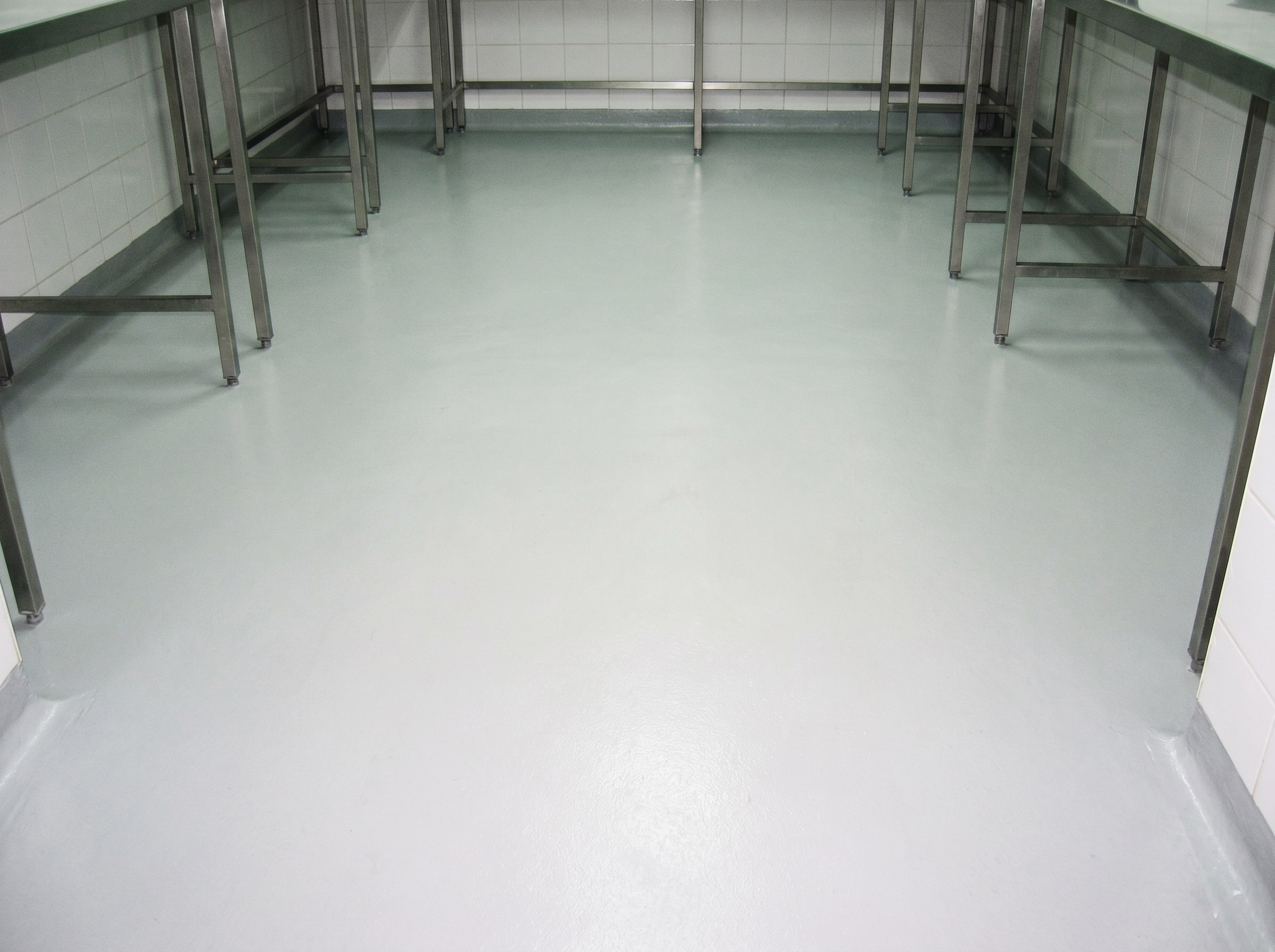
Phase 03 / Handover
Bund and walkway systems matched chemical matrix tables from the owner’s process engineer.
Process heat and cold-room edges punish standard epoxy. PU-cement and compatible systems are matched to real temperatures and cleaning chemistry, selection follows exposure tables, not marketing adjectives on a brochure.
MMA or fast-cure windows only work when Thursday prep is complete. Plant hygiene sign-offs, bund checks, and commissioning wipes are written as gates so Friday night is execution, not catching up on grinding.
We reference HACCP and ISO hygiene principles as operational context only. Certification stays the facility’s job, we supply datasheets, film logs, and pull tests auditors typically expect from the installing contractor.
Related scope: Industrial & factory painting
Technical answers for procurement teams, trustees, and facility managers in Gauteng.
Typically seamless construction, cleanable surfaces, appropriate drainage, coving, and slip control suited to wet processes, verified against facility programmes and auditor expectations. Maverick supplies product evidence; we do not certify the plant.
PU cement systems often tolerate thermal cycling and harsh cleaning better in wet food environments, final choice follows manufacturer exposure guidance.
Heights follow hygienic detail drawings, commonly 100–150 mm in many food specs but project-specific.
Usually requires removal or mechanical scarification and risk assessment, overlays on unstable tiles fail.
Stainless trapped drains and surround detailing are coordinated with plumbers before screed pours.
Pendulum or ramp testing can be arranged where specifications demand documented slip values.
Our Unbeatable Guarantee
Unlike standard contractors who rely on biased, in-house quality checks, we use a trusted, independent third-party QA company on all projects. This is our commitment to verifiably superior quality.
A dedicated project manager and the independent body conduct an on-site assessment to determine the correct coating system and technical specification required for your specific asset.
The independent company performs continuous application inspections at every critical stage (surface prep, primer, film thickness) to ensure manufacturer requirements are met before the final coat.
You receive bi-weekly progress and substrate reports providing a complete, recorded history of the project. This delivers objective proof of quality and total peace of mind for trustees and facility managers.
Verifiable Proof of Quality
Ready for Verifiable, Zero-Risk Quality?
Contact us today to schedule an on-site assessment and receive your substrate-specific specification.