
PHASE_01
Ingress Diagnosis
Moisture mapping, targeted cores when justified, and written narratives separate active leaks, capillary rise, and condensation so membrane.
Gauteng’s intense diurnal temperature swings and high-volume summer storms stress membranes at outlets, plant bases, and balcony thresholds. We specify torch-on, liquid polyurethane, or hybrid programmes after moisture risk assessment, with detailing, protection courses, and independent QA so manufacturer guarantees survive the first storm season.
Moisture mapping, targeted cores when justified, and written narratives separate active leaks, capillary rise, and condensation so membrane spend fixes the mechanism, not whichever symptom photographed first.
Structural repairs, screed rebuilds, and fall corrections finish before membranes bond; we refuse to glue guaranteed systems to hollow screeds, saturated concrete, or arrises that still need breakout.
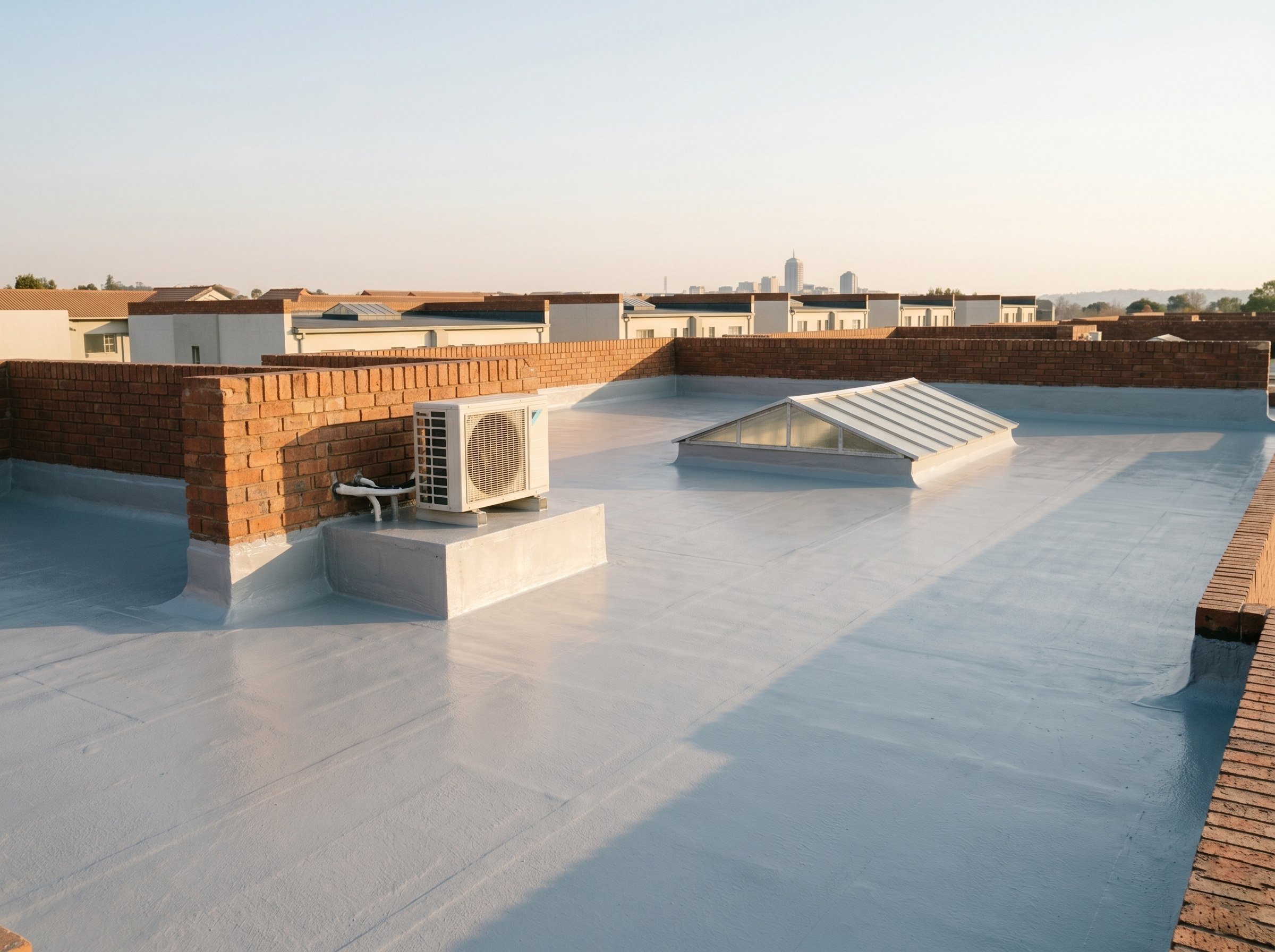
Core interventions
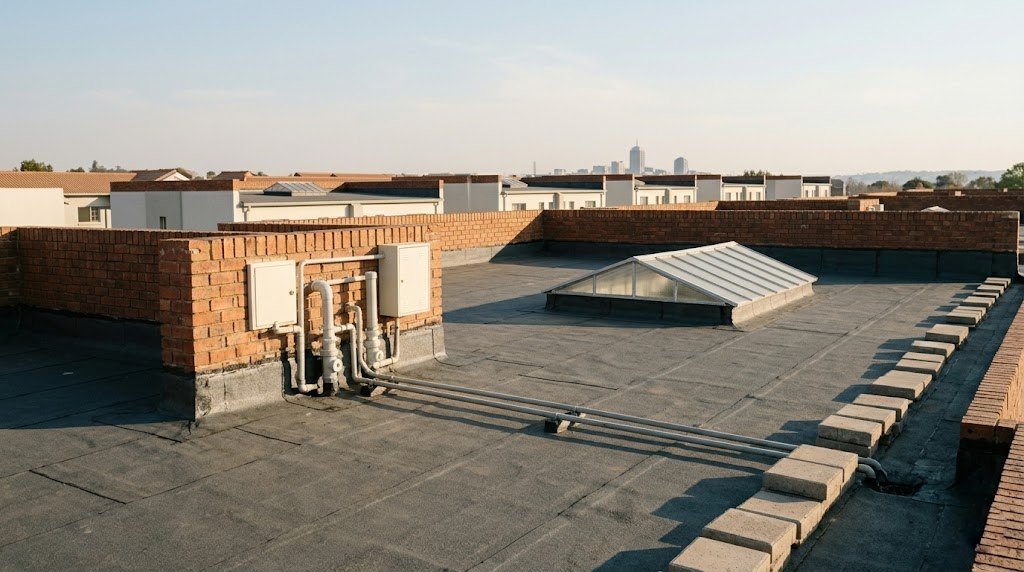
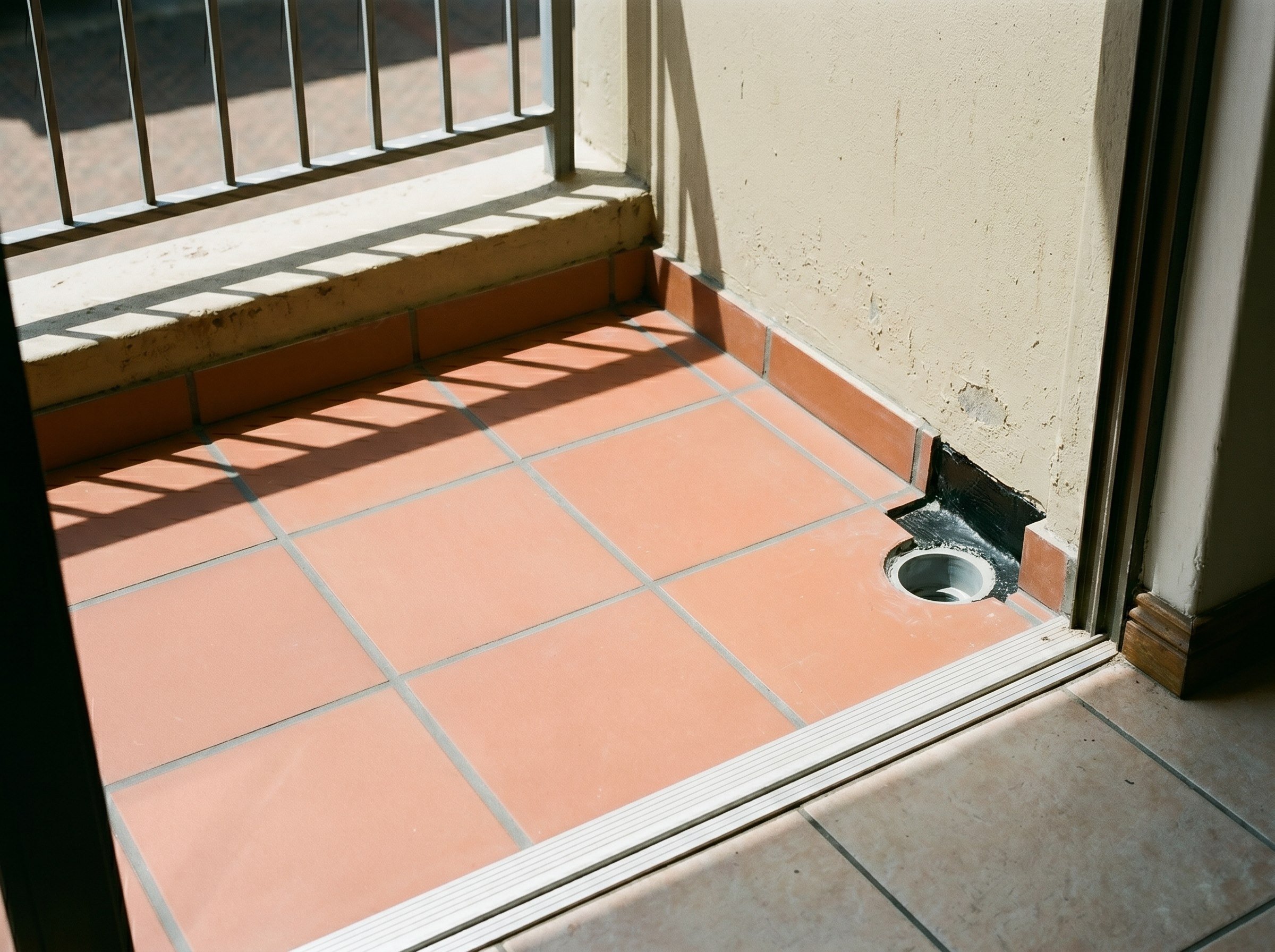
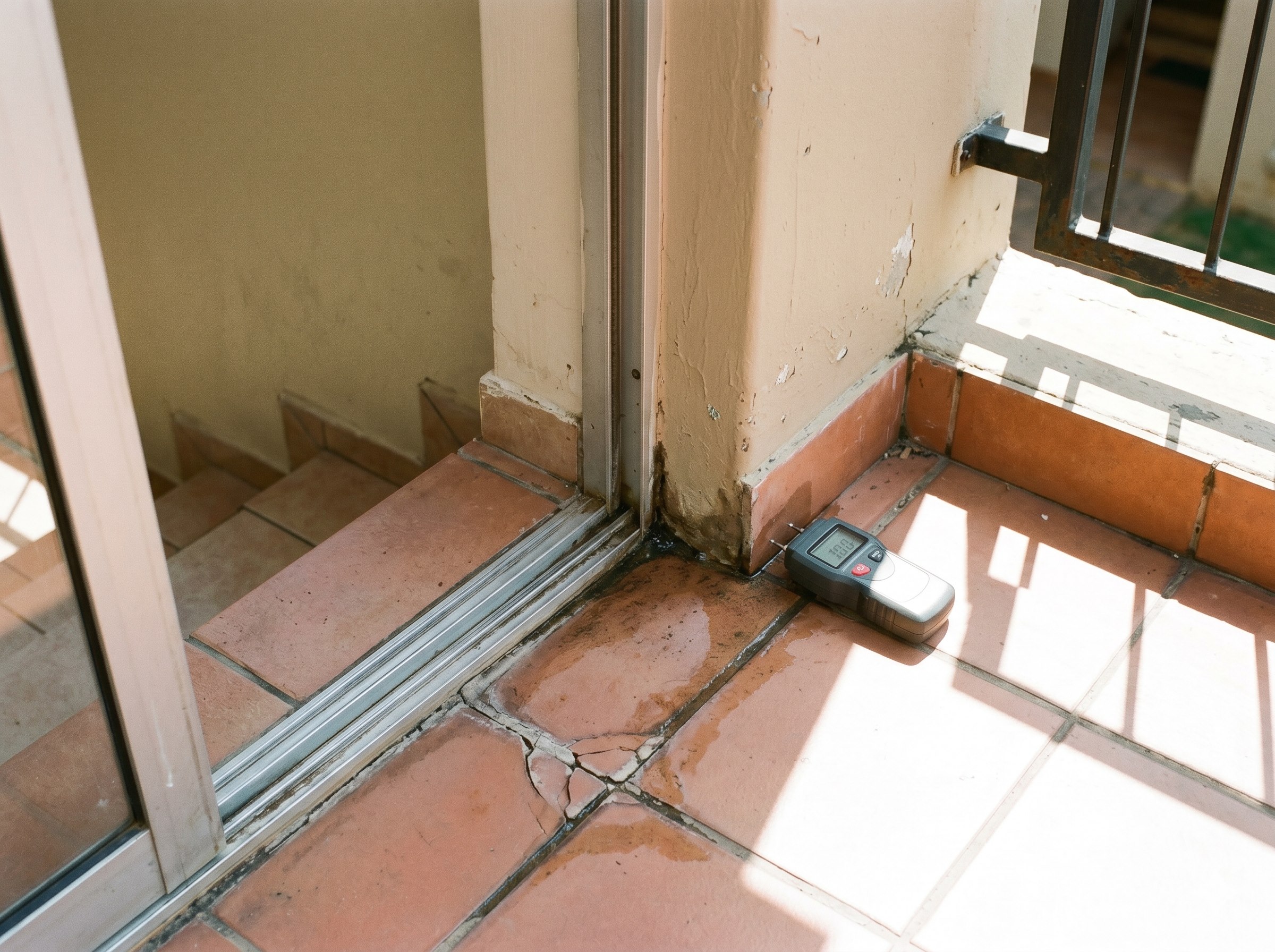
Diagnostics first. Detailing discipline. Co-signed guarantees.
PHASE_01
Moisture mapping, targeted cores when justified, and written narratives separate active leaks, capillary rise, and condensation so membrane.
PHASE_02
Structural repairs, screed rebuilds, and fall corrections finish before membranes bond; we refuse to glue guaranteed systems to hollow screeds.
PHASE_03
Torch-on or liquid manufacturer stacks are detailed at outlets, penetrations, and movement planes with reinforcement and sequential QA holds so.
PHASE_04
Protection courses, traffickable wear layers where required, maintenance calendars, and independent QA records accompany handover so trustees.
Why membrane renewals belong in your portfolio risk plan
Phase 01 / Risk
Ingress is the fastest way to accelerate carbonation, force unplanned special levies, and turn a cosmetic repaint into a structural conversation. Treating waterproofing as systems engineering, not a product pitch, is how you keep coating warranties alive.
Our teams sequence naturally with structural remedial work when spalling and membrane renewal must happen in one programme, and we speak the language of sectional-title maintenance plans where trustees need transparent scope boundaries for insurers and attorneys.
Moisture mapping, targeted cores when justified, and written narratives separate active leaks, capillary rise, and condensation so membrane spend fixes the mechanism, not whichever symptom photographed first.
Torch-on vs liquid trade-offs, drainage and ponding risk, UV protection, hybrid programmes, and manufacturer-backed maintenance calendars.
Thin, catch-all waterproofing pages dilute intent for high-value queries like flat slab renewals, under-tile balconies, and basement tanking. Maverick’s spoke pages unpack methodology, compliance context, and BC documentation separately.
Torch-on vs liquid trade-offs, drainage and ponding risk, UV protection, hybrid programmes, and manufacturer-backed maintenance calendars.
Sectional-title documentation, low-disruption options, exclusive-use interfaces, and coordination with structural arris repairs.
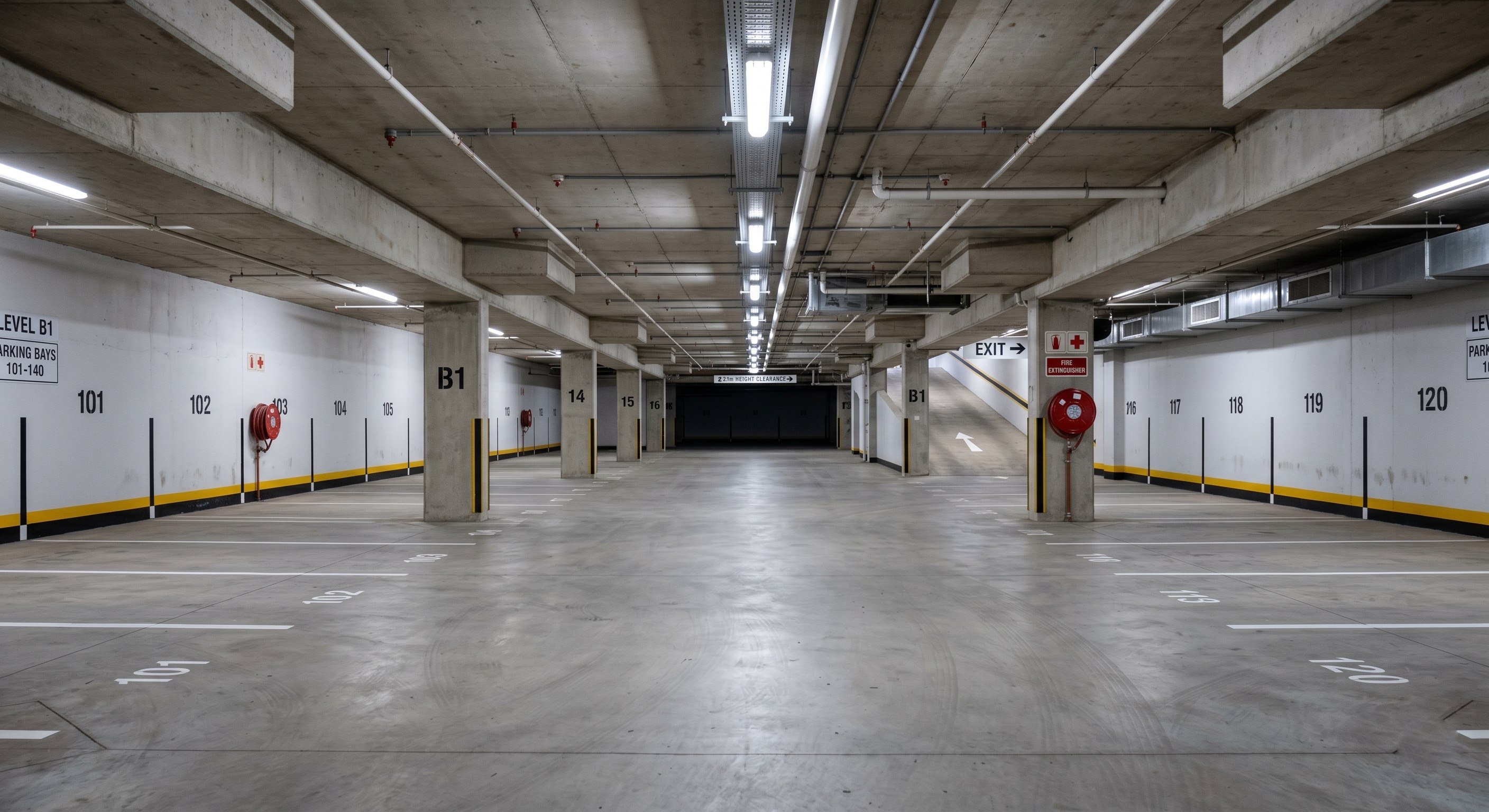
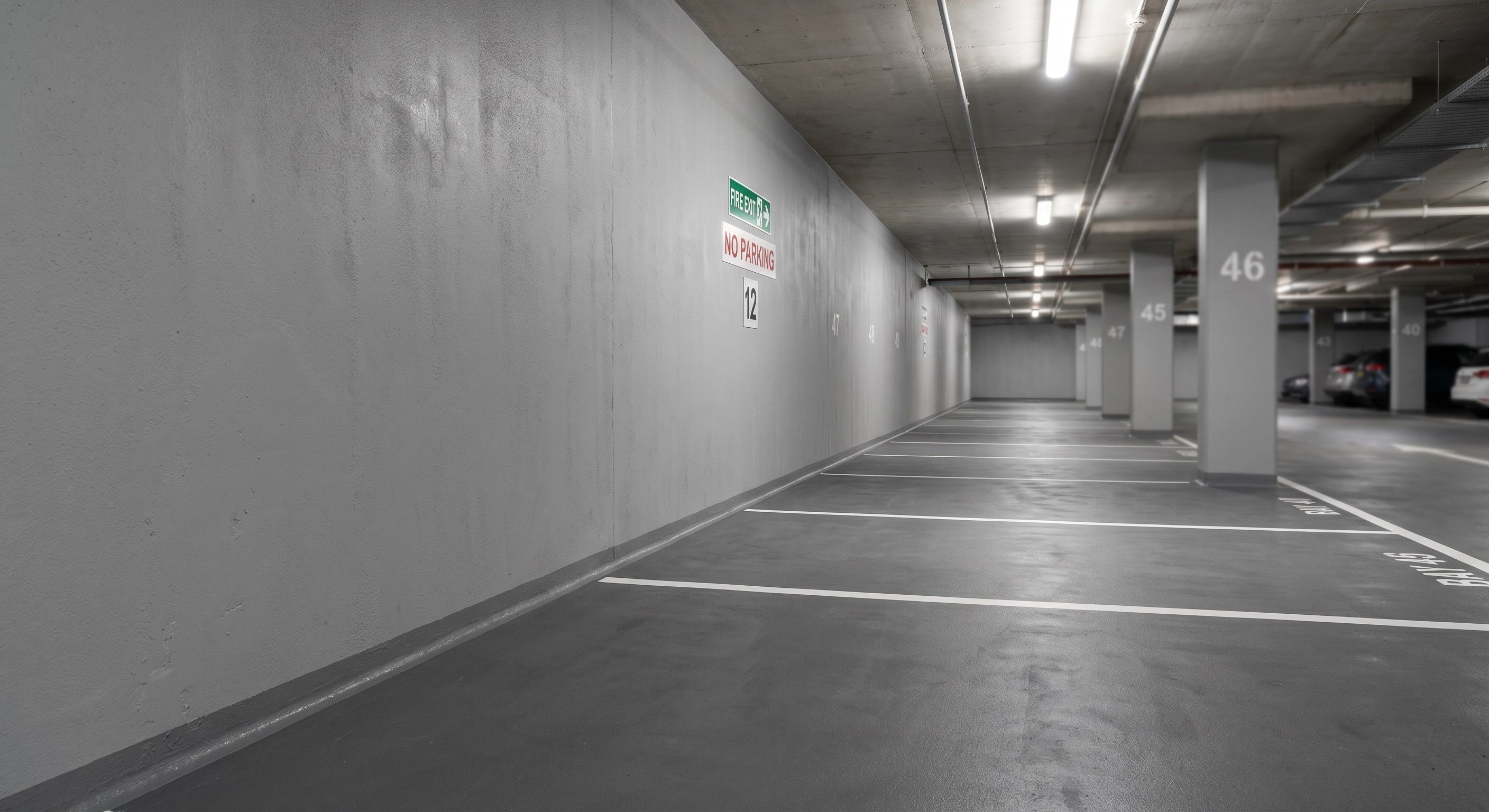
Negative- vs positive-side logic, active leak management, lift pits, and parking slabs with hydrostatic pressure risk.
System selection, hybrid programmes, fire constraints, and manufacturer-backed detailing for torch-on and liquid membrane stacks.
Phase 02 / Systems
Flat concrete roofs favour disciplined falls, outlet detailing, and UV-stable protection courses. Complex parapets and flashings often suit seamless liquid membranes. We choose by substrate behaviour and maintenance reality, not by whichever system our sales desk stocks this quarter.
Explore our technical guides on liquid vs torch-on membranes and low-disruption balcony repairs, then invite us to translate those principles into a site-specific specification for your asset.
Structural repairs, screed rebuilds, and fall corrections finish before membranes bond; we refuse to glue guaranteed systems to hollow screeds, saturated concrete, or arrises that still need breakout.
Sectional-title documentation, low-disruption options, exclusive-use interfaces, and coordination with structural arris repairs.
Phase 03 / Coordination
Balcony edges, expansion joints, and podium interfaces need one sequence, not three contractors arguing on site. We plan curing windows, protection courses, and handover inspections so the painter is not pricing risk the waterproofer left behind.
When comparing Gauteng waterproofing contractors, ask for manufacturer approval letters, a redacted QA file, and a method statement that names penetrations and movement joints explicitly. Serious assets deserve serious paperwork.
Torch-on or liquid manufacturer stacks are detailed at outlets, penetrations, and movement planes with reinforcement and sequential QA holds so every risky interface is built once, not patched later in the rain.
Negative- vs positive-side logic, active leak management, lift pits, and parking slabs with hydrostatic pressure risk.
Technical answers for procurement teams, trustees, and facility managers in Gauteng.
Highveld UV, thermal cycling, ponding, and failed detailing at outlets and penetrations age membranes quickly. Maverick specifies systems and maintenance calendars matched to substrate condition, not single-layer shortcuts.
Policies often cover sudden storm damage but exclude gradual deterioration and lack of maintenance. Documented QA-backed maintenance programmes help trustees and owners show reasonable care, Maverick supplies reports; we do not adjudicate insurance.
Depends on geometry, fire constraints, and substrate moisture. Open decks may suit torch-on; complex details and occupied podiums often favour liquid or hybrid programmes after adhesion and moisture testing.
Indicative installed rates often sit between roughly R350 and R850 per m² for torch-on or liquid systems, driven by removal scope, falls correction, detailing complexity, and QA requirements. Accurate pricing follows measured surveys and risk items on site.
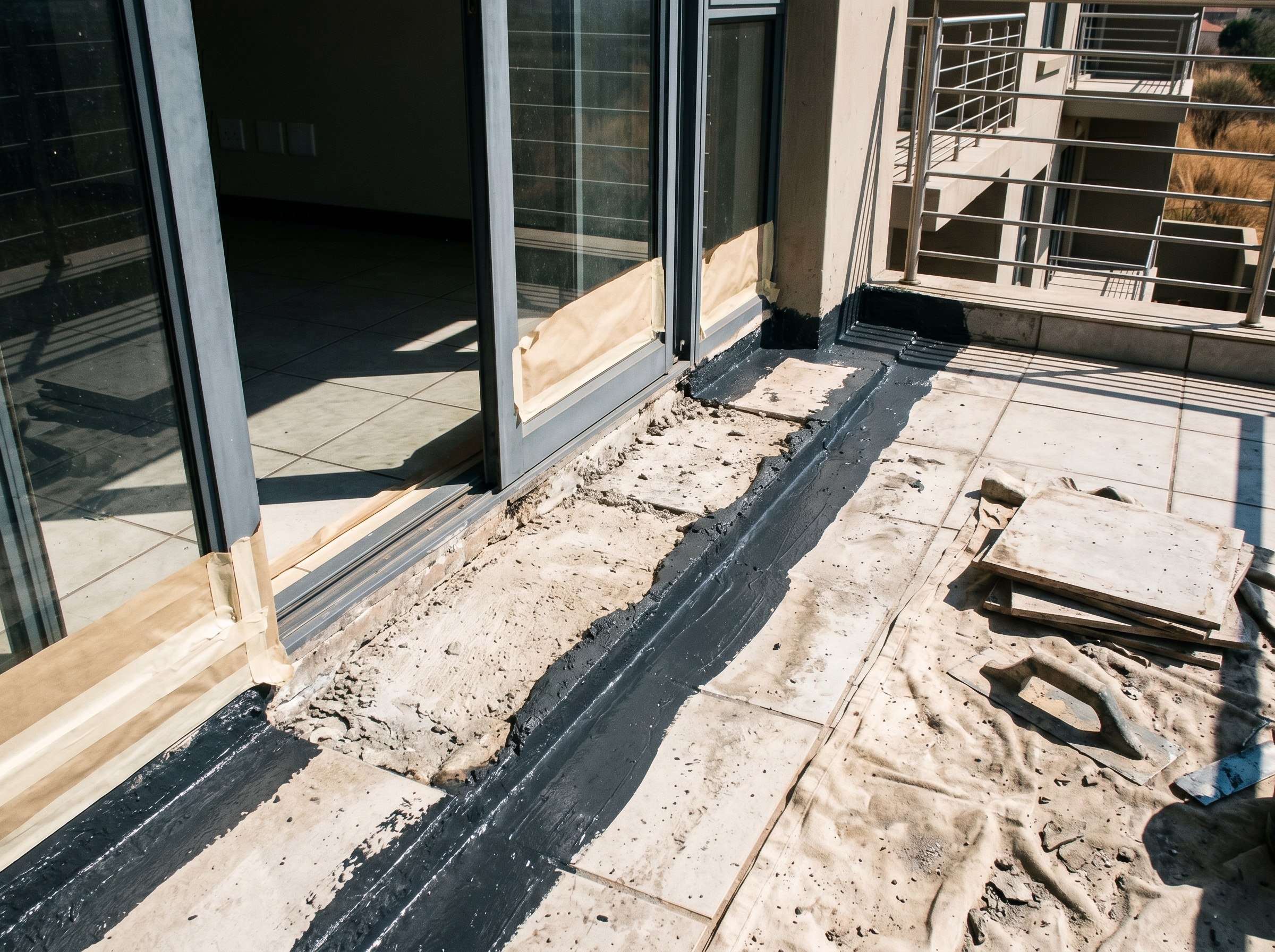
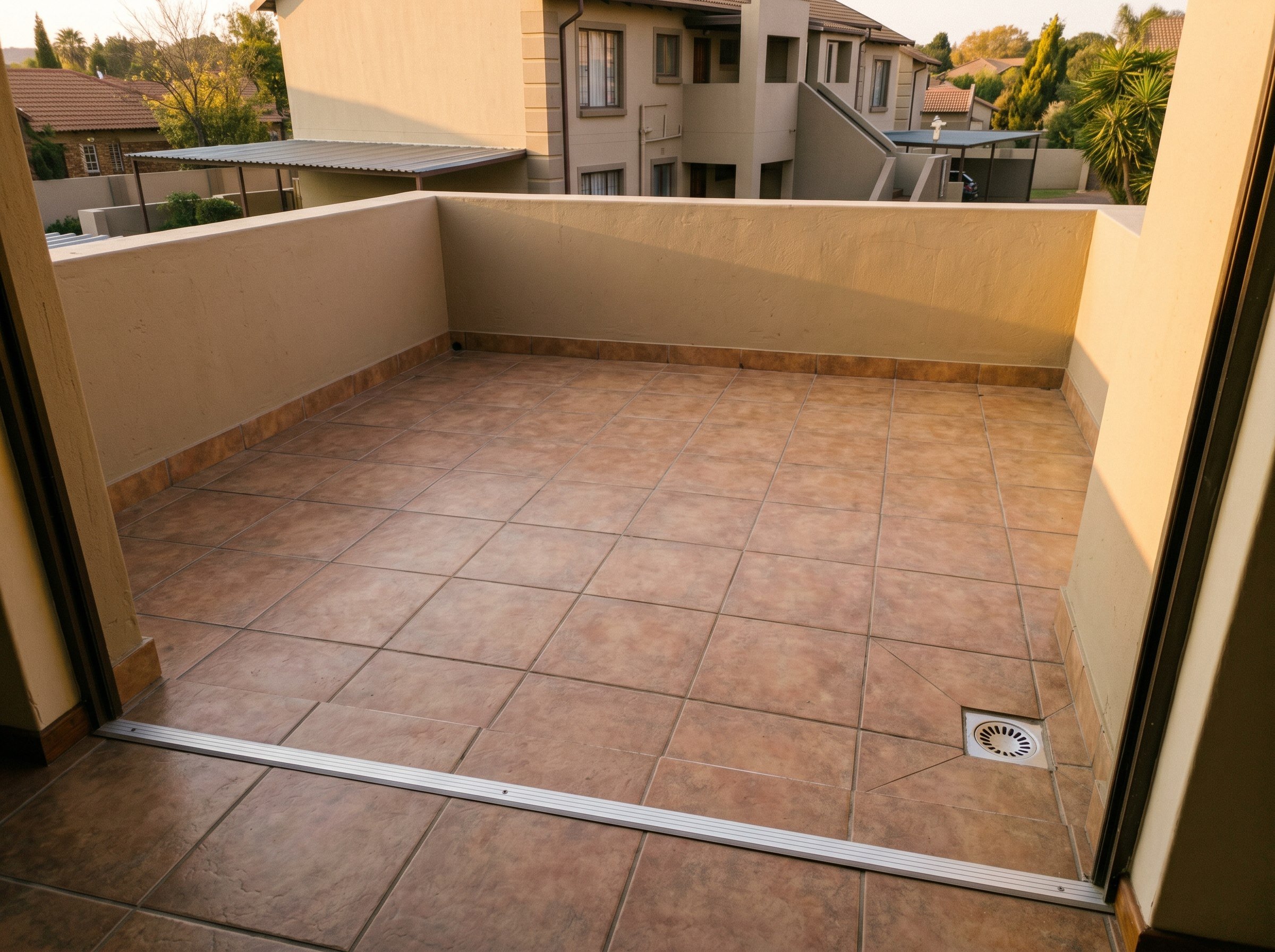
We assess threshold detailing, screed falls, and membrane continuity, then sequence breakout, reinstating falls, and liquid or hybrid membranes with documented handover suitable for CSOS and trustee files.
Positive-side systems are applied externally where excavation allows. Negative-side crystalline or cementitious tanking manages hydrostatic pressure from inside when external access is impossible, subject to engineer design.
Our Unbeatable Guarantee
Unlike standard contractors who rely on biased, in-house quality checks, we use a trusted, independent third-party QA company on all projects. This is our commitment to verifiably superior quality.
A dedicated project manager and the independent body conduct an on-site assessment to determine the correct coating system and technical specification required for your specific asset.
The independent company performs continuous application inspections at every critical stage (surface prep, primer, film thickness) to ensure manufacturer requirements are met before the final coat.
You receive bi-weekly progress and substrate reports providing a complete, recorded history of the project. This delivers objective proof of quality and total peace of mind for trustees and facility managers.
Verifiable Proof of Quality
Ready for Verifiable, Zero-Risk Quality?
Contact us today to schedule an on-site assessment and receive your substrate-specific specification.