
PHASE_01
Surface preparation is the real product
Most resin failures trace to laitance, oil, or vapour drive, not topcoat colour.
Forklift traffic, chemical washdowns, and thermal shock destroy generic concrete sealers. Maverick installs industrial resin screeds and coatings specified for your exposure class, with substrate preparation, dew-point discipline, and film-build verification treated as non-negotiable programme items, not line items to squeeze at the end of the job.
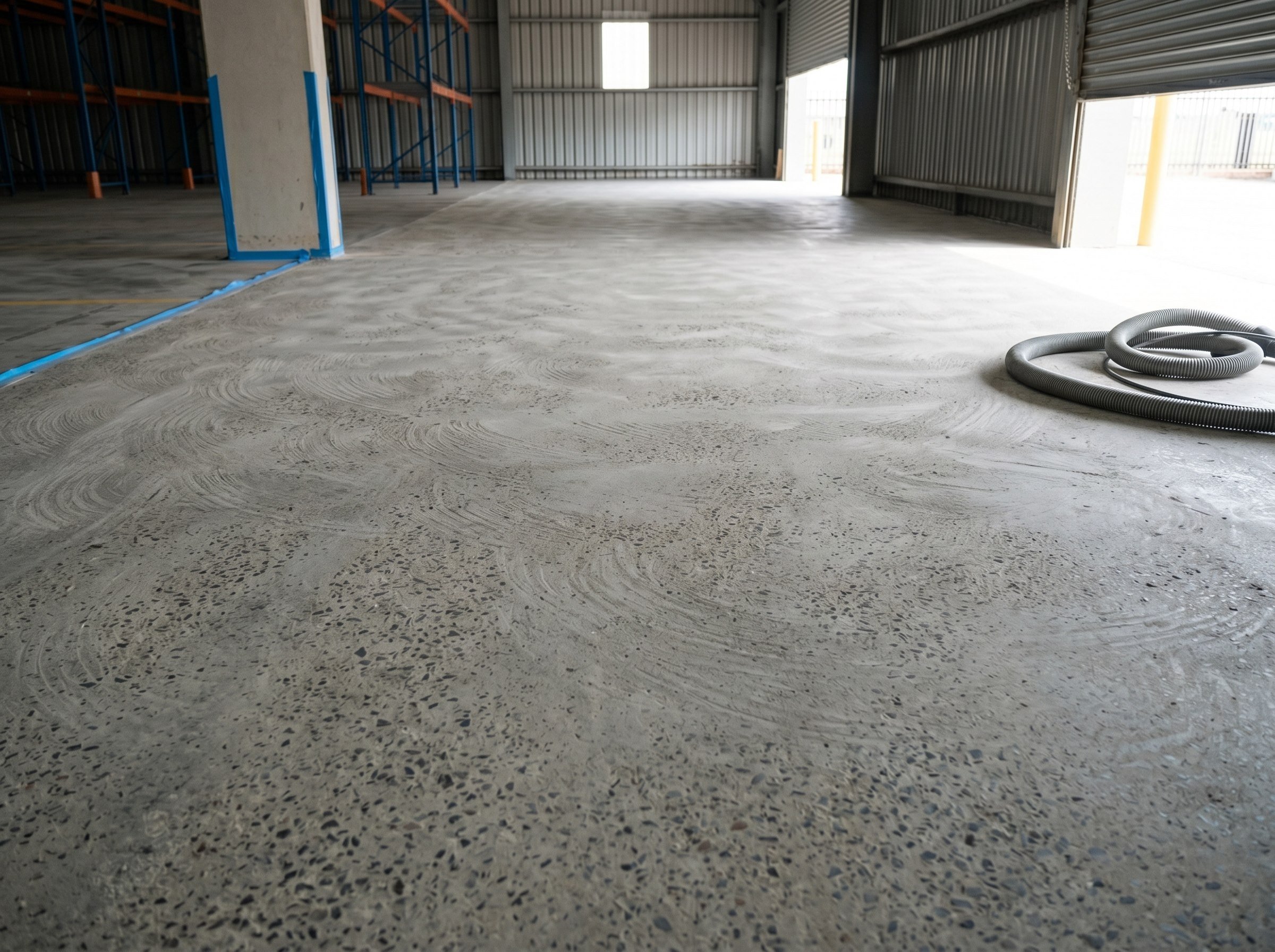
Most resin failures trace to laitance, oil, or vapour drive, not topcoat colour. We profile concrete to specified CSP, install mitigation when dew-point and readings demand it, and only mix resin when logs show it is safe to proceed.
Solvent-free epoxy delivers extreme compressive strength and chemical resistance, ideal for warehouses, aviation hangars, and automotive facilities. Aliphatic polyurethane topcoats add UV stability and impact resistance on exterior walkways and sports flooring.
Polyurethane-cement systems tolerate thermal shock and organic acids in abattoirs and bakeries; methyl methacrylate (MMA) ultra-rapid curing suits cold storage and rapid-turnaround commercial floors where shutdown windows are measured in hours.
Core interventions
Approved systems. Measured films. Auditable handover.
PHASE_01
Most resin failures trace to laitance, oil, or vapour drive, not topcoat colour.
PHASE_02
Solvent-free epoxy delivers extreme compressive strength and chemical resistance, ideal for warehouses, aviation hangars, and automotive.
PHASE_03
Logistics clients need lines that survive tyre scrub.
PHASE_04
Fast-cure weekends compress downtime but punish rushed prep.
Why high-performance systems fail on preparation, not product
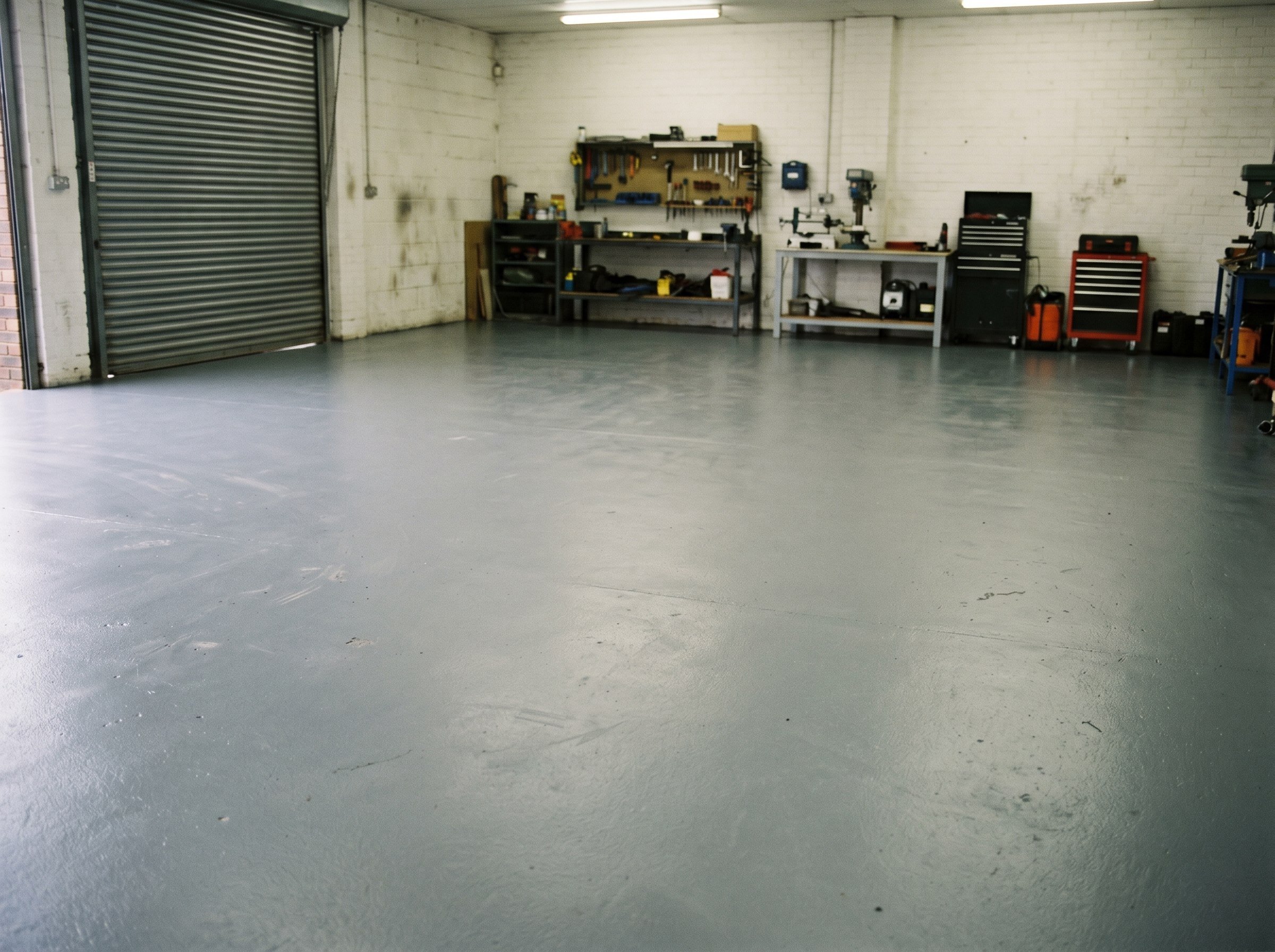
Phase 01 / Assessment
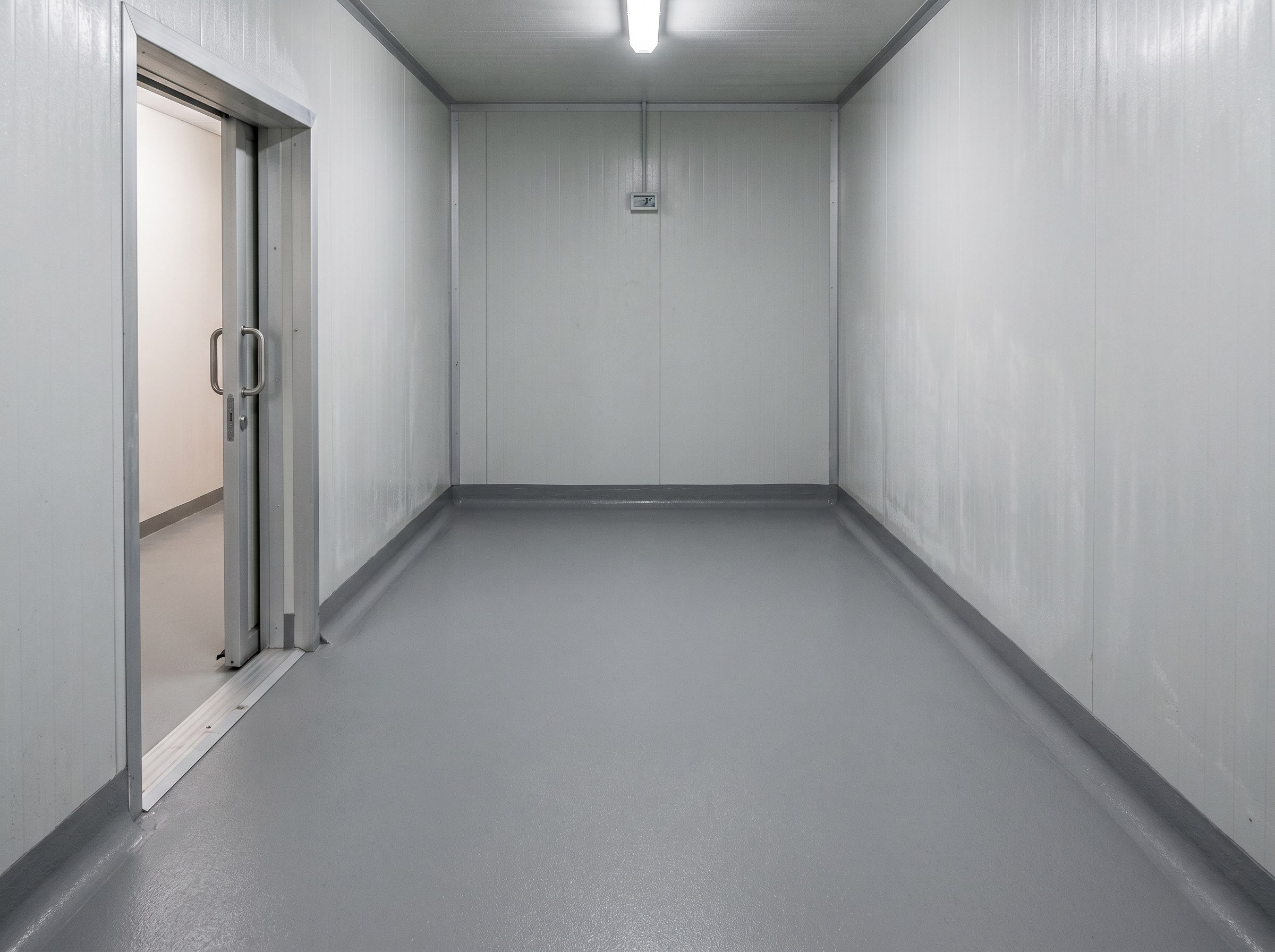
Thermal shock–rated screeds replaced failed epoxy in a -18 °C edge zone with phased curtain wall protection.
Most resin failures trace to laitance, oil, or vapour drive, not topcoat colour. We profile concrete to specified CSP, install mitigation when dew-point and readings demand it, and only mix resin when logs show it is safe to proceed.
Solvent-free epoxy delivers extreme compressive strength and chemical resistance, ideal for warehouses, aviation hangars, and automotive facilities. Aliphatic polyurethane topcoats add UV stability and impact resistance on exterior walkways and sports flooring.
Polyurethane-cement systems tolerate thermal shock and organic acids in abattoirs and bakeries; methyl methacrylate (MMA) ultra-rapid curing suits cold storage and rapid-turnaround commercial floors where shutdown windows are measured in hours.
Related scope: Hygienic food-grade flooring
Industrial floors, hygienic walls, and architectural texture systems carry different compliance expectations. Each spoke below targets the procurement language and QA artefacts buyers expect before mobilisation.
Decorative cement floor finishes with slab checks, colour samples, sealer selection, and clean maintenance handover.
Preparation, sealing, coating, and maintenance for feature walls, facade cladding, fixings, joints, and exposed edges.
Exterior cementitious wall finishes with damp checks, crack preparation, sample-led texture control, and weatherproof sealing.
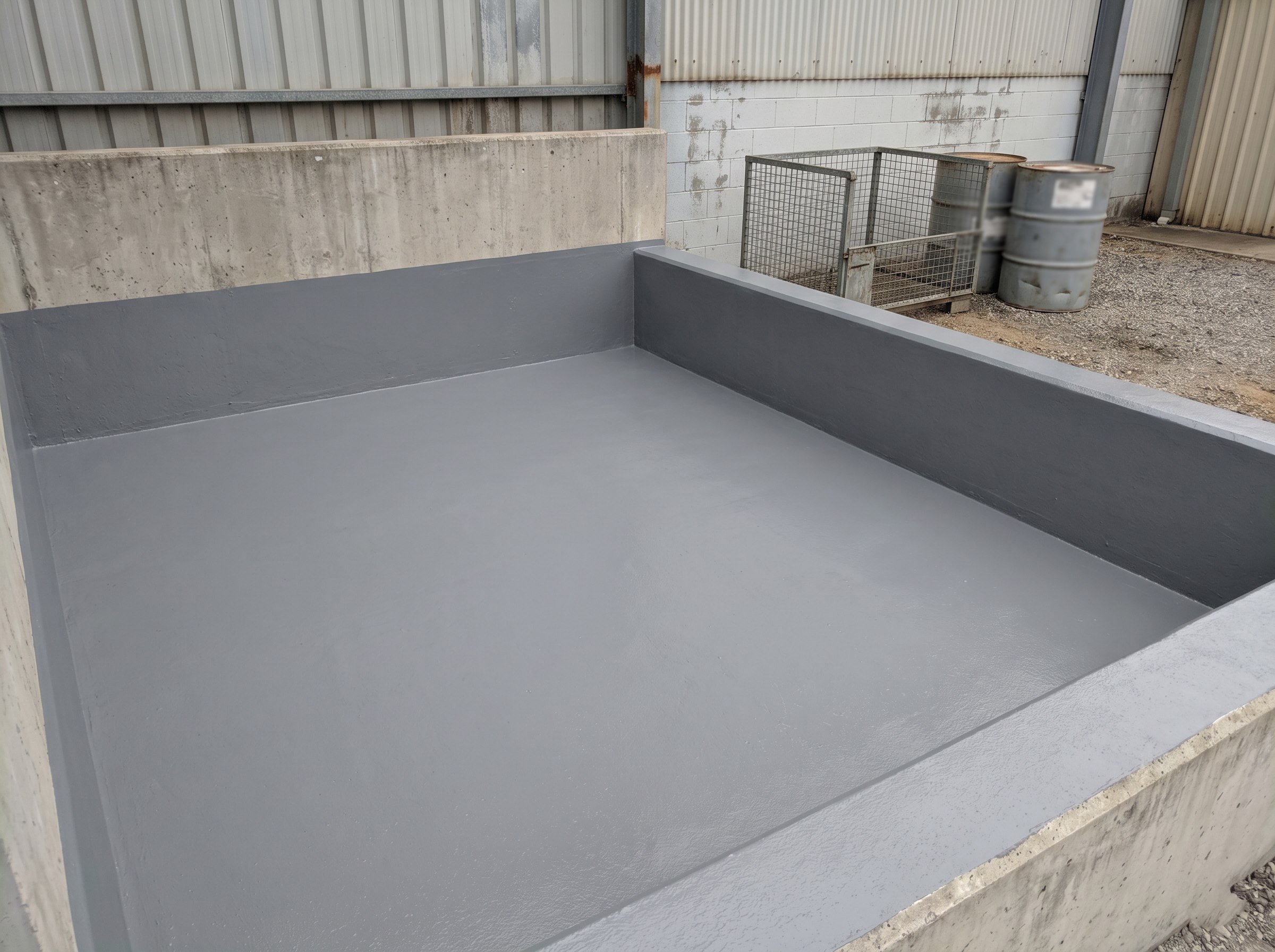
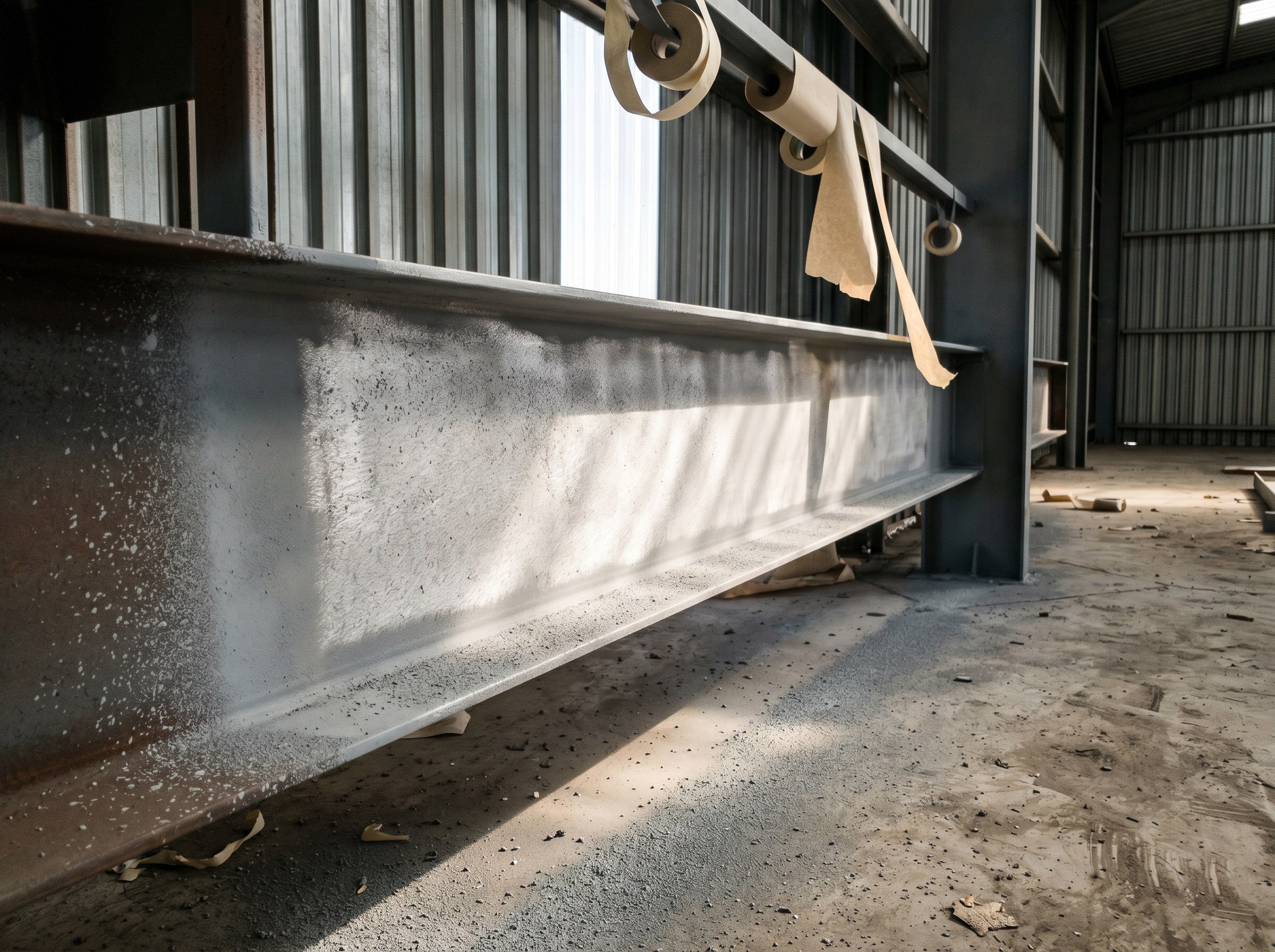
Phase 02 / Execution
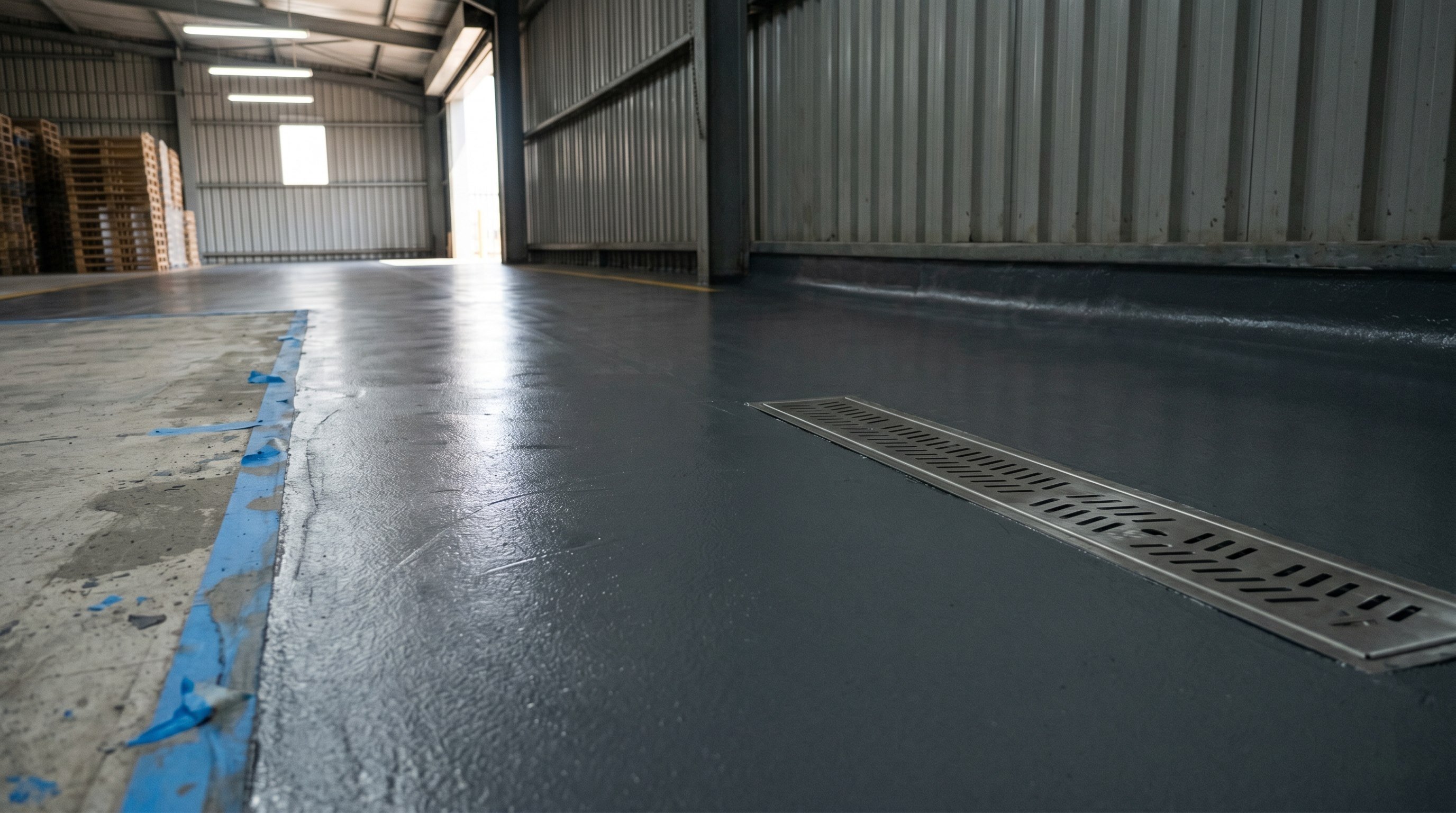
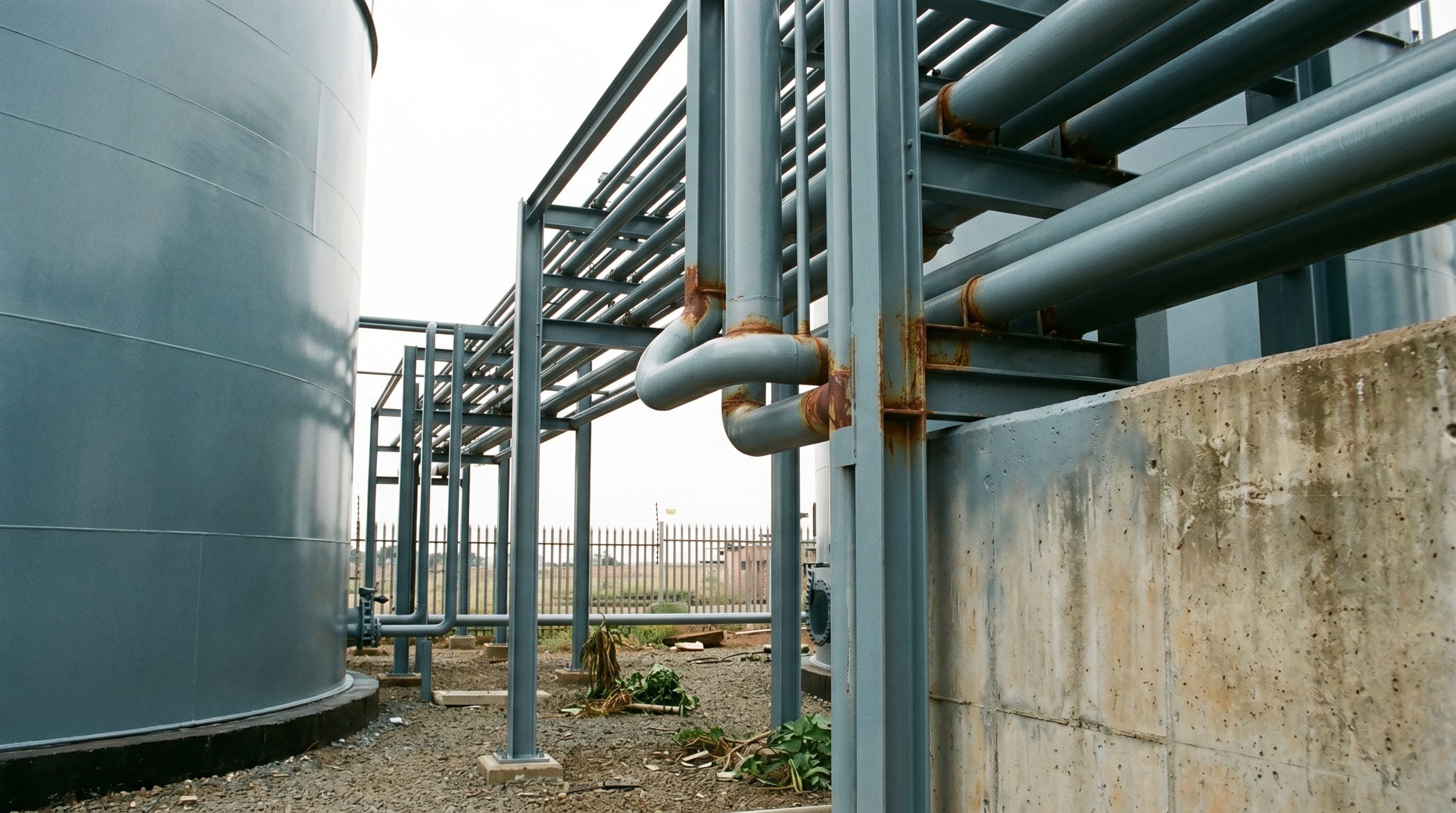
Bund walls received compatible fibreglass-reinforced systems after spark-free surface prep in a live refinery zone partner-managed.
Solvent-free epoxy delivers extreme compressive strength and chemical resistance, ideal for warehouses, aviation hangars, and automotive facilities. Aliphatic polyurethane topcoats add UV stability and impact resistance on exterior walkways and sports flooring.
Polyurethane-cement systems tolerate thermal shock and organic acids in abattoirs and bakeries; methyl methacrylate (MMA) ultra-rapid curing suits cold storage and rapid-turnaround commercial floors where shutdown windows are measured in hours.
Fast-cure weekends compress downtime but punish rushed prep. Published cure-before-traffic tables and environmental holds stay in the programme, if a hold is skipped, the warranty conversation is already over.
Related scope: Warehouse painting
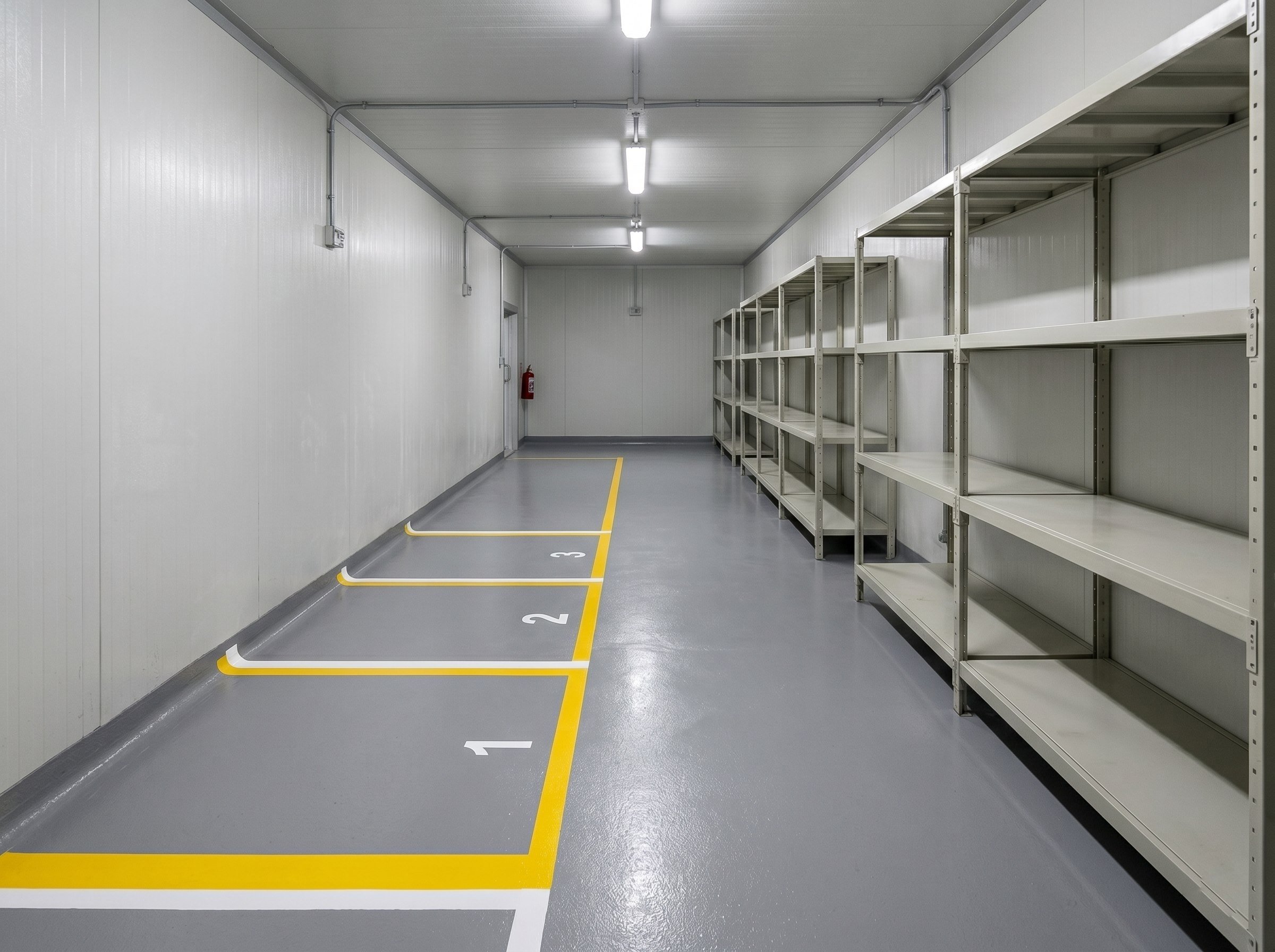
Phase 03 / Handover
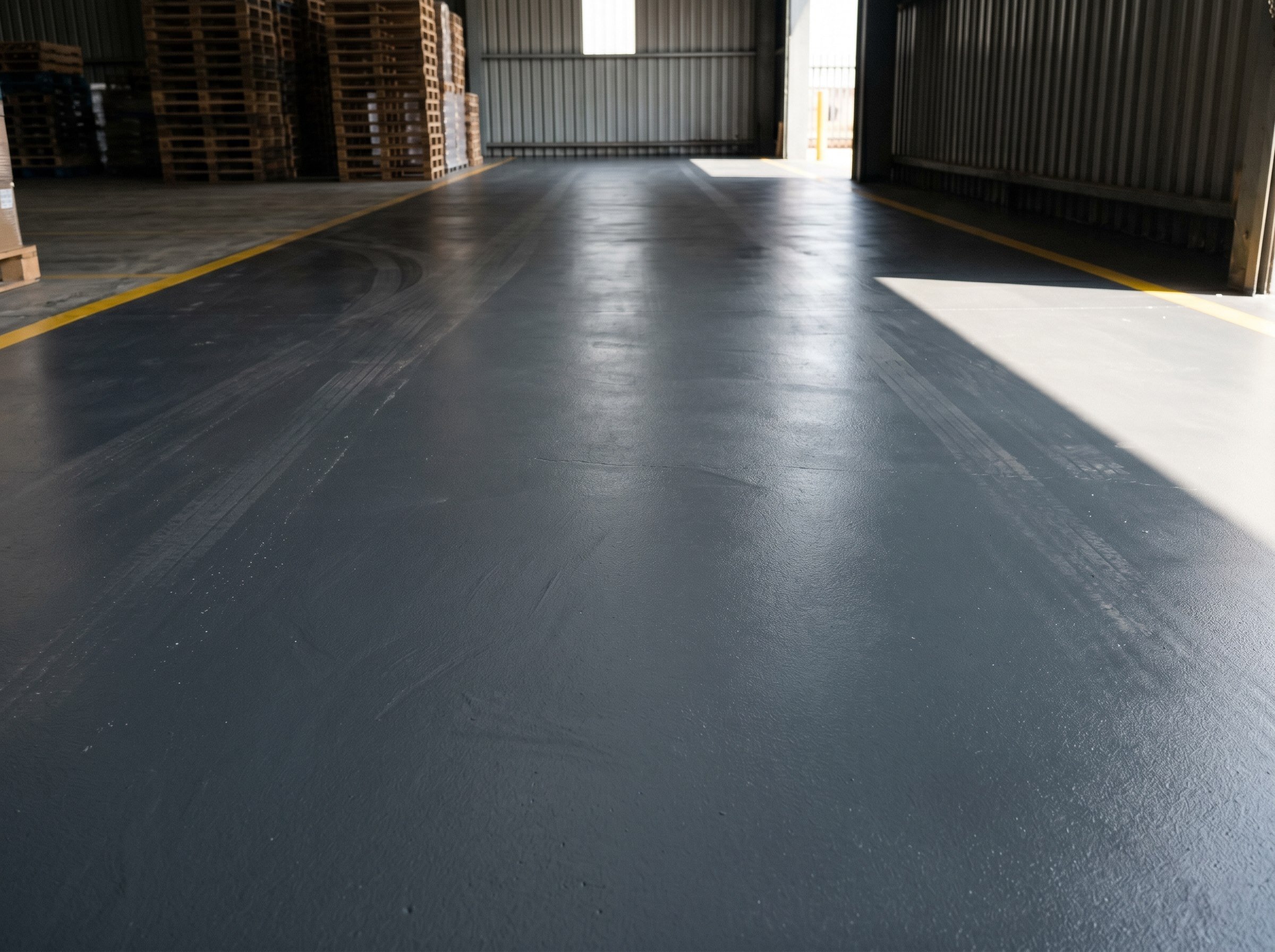
Line marking and colour zones were installed to 5S layout drawings with QA thickness maps filed for landlord handover.
Logistics clients need lines that survive tyre scrub. Demarcation follows main field cure so ghosting does not appear; ESD or conductive builds are quoted only when earthing design and datasheets exist together.
Fast-cure weekends compress downtime but punish rushed prep. Published cure-before-traffic tables and environmental holds stay in the programme, if a hold is skipped, the warranty conversation is already over.
Most resin failures trace to laitance, oil, or vapour drive, not topcoat colour. We profile concrete to specified CSP, install mitigation when dew-point and readings demand it, and only mix resin when logs show it is safe to proceed.
Related scope: Specialized coatings hub
Technical answers for procurement teams, trustees, and facility managers in Gauteng.
Usually moisture vapour, oil contamination, wrong primer, or applying outside datasheet temperature/humidity windows. Diagnosis prevents repeat spend.
Only with engineered moisture mitigation systems, never by ignoring readings.
Product- and temperature-specific. Fast-cure systems exist but cost more and still need proper prep.
Yes, aggregate profiles are selected to documented slip resistance bands for wet/dry areas.
Failed layers are mechanically removed until sound concrete is exposed unless overcoat systems are tested and approved.
Night shifts are common for live facilities; noise and light curfews are written into method statements.
Our Unbeatable Guarantee
Unlike standard contractors who rely on biased, in-house quality checks, we use a trusted, independent third-party QA company on all projects. This is our commitment to verifiably superior quality.
A dedicated project manager and the independent body conduct an on-site assessment to determine the correct coating system and technical specification required for your specific asset.
The independent company performs continuous application inspections at every critical stage (surface prep, primer, film thickness) to ensure manufacturer requirements are met before the final coat.
You receive bi-weekly progress and substrate reports providing a complete, recorded history of the project. This delivers objective proof of quality and total peace of mind for trustees and facility managers.
Verifiable Proof of Quality
Ready for Verifiable, Zero-Risk Quality?
Contact us today to schedule an on-site assessment and receive your substrate-specific specification.