
PHASE_01
Substrate Assessment
Moisture, contamination, and flatness are baselined before resin kits arrive; engineer or manufacturer hold points cover food-grade, chemical.
Standard paint is not a floor in a brewery, a loading bay, or a food-grade wall. We are approved applicators for high-performance systems where substrate preparation, film thickness, and manufacturer sign-off are non-negotiable.
Moisture, contamination, and flatness are baselined before resin kits arrive; engineer or manufacturer hold points cover food-grade, chemical, or structural substrates that need written acceptance criteria.
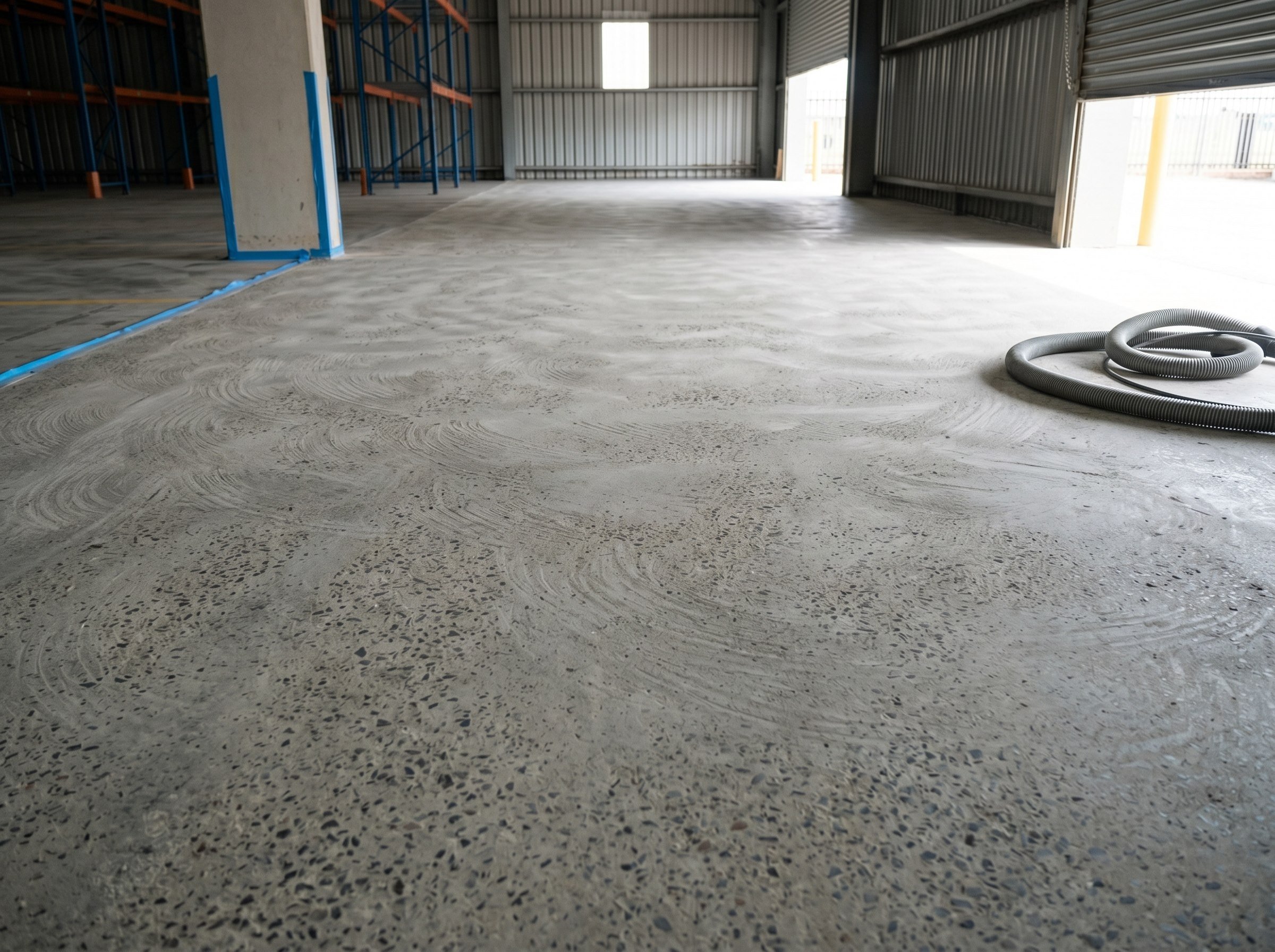
Diamond grind, shot blast, or scarify to the CSP the stack demands, then repair cracks and install mitigation when vapour readings say the slab is lying about being dry enough to coat.
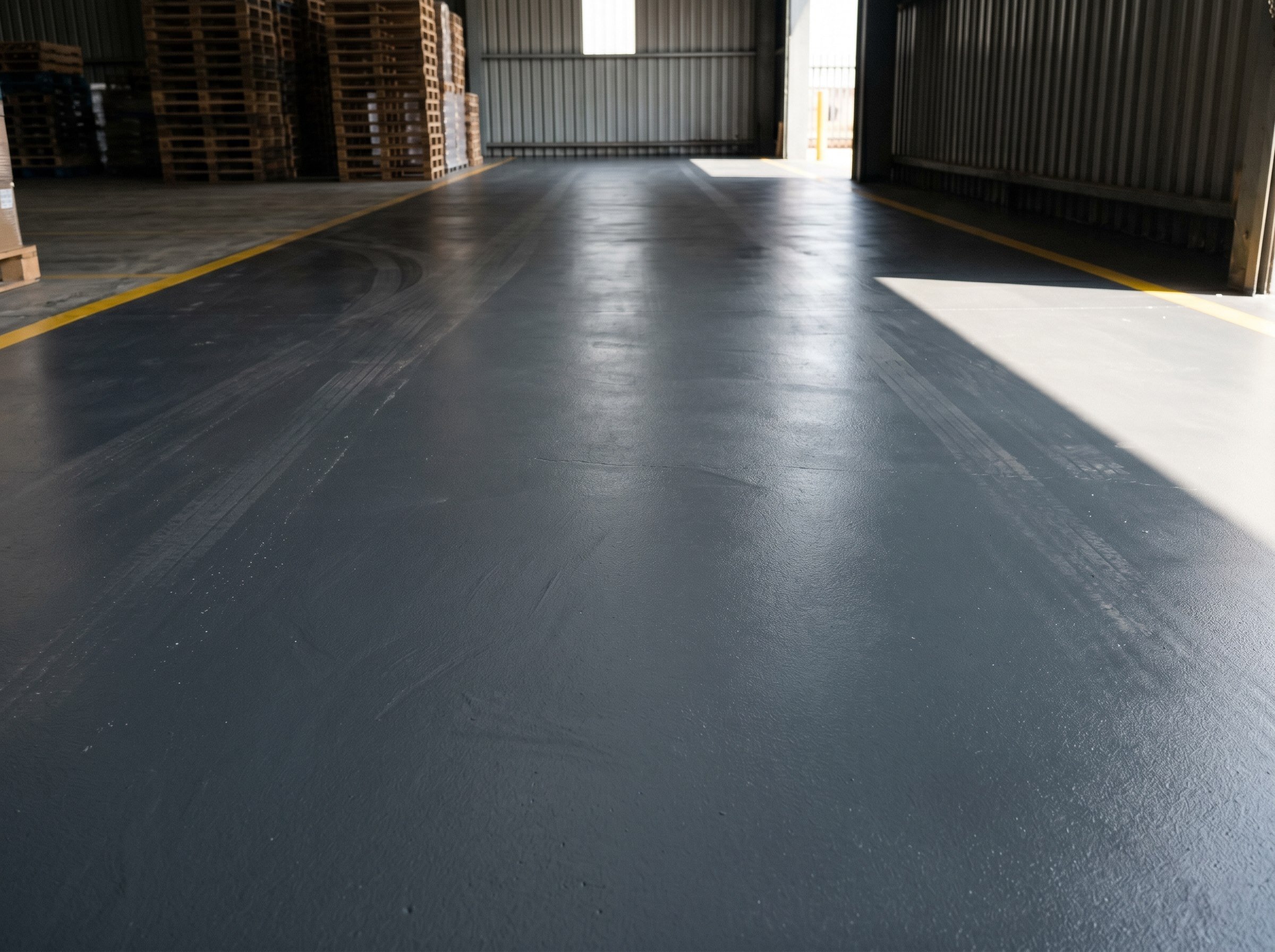
Core interventions
Approved systems. Measured films. Auditable handover.
PHASE_01
Moisture, contamination, and flatness are baselined before resin kits arrive; engineer or manufacturer hold points cover food-grade, chemical.
PHASE_02
Diamond grind, shot blast, or scarify to the CSP the stack demands, then repair cracks and install mitigation when vapour readings say the slab.
PHASE_03
Epoxy, polyurethane, hygienic, or decorative builds follow wet-film checks, embedded reinforcement, and recoat windows with batch numbers.
PHASE_04
Independent thickness or holiday inspection, cure verification, and co-signed warranties close only when the full specification stack, not a.
Why high-performance systems fail on preparation, not product
Phase 01 / Substrate
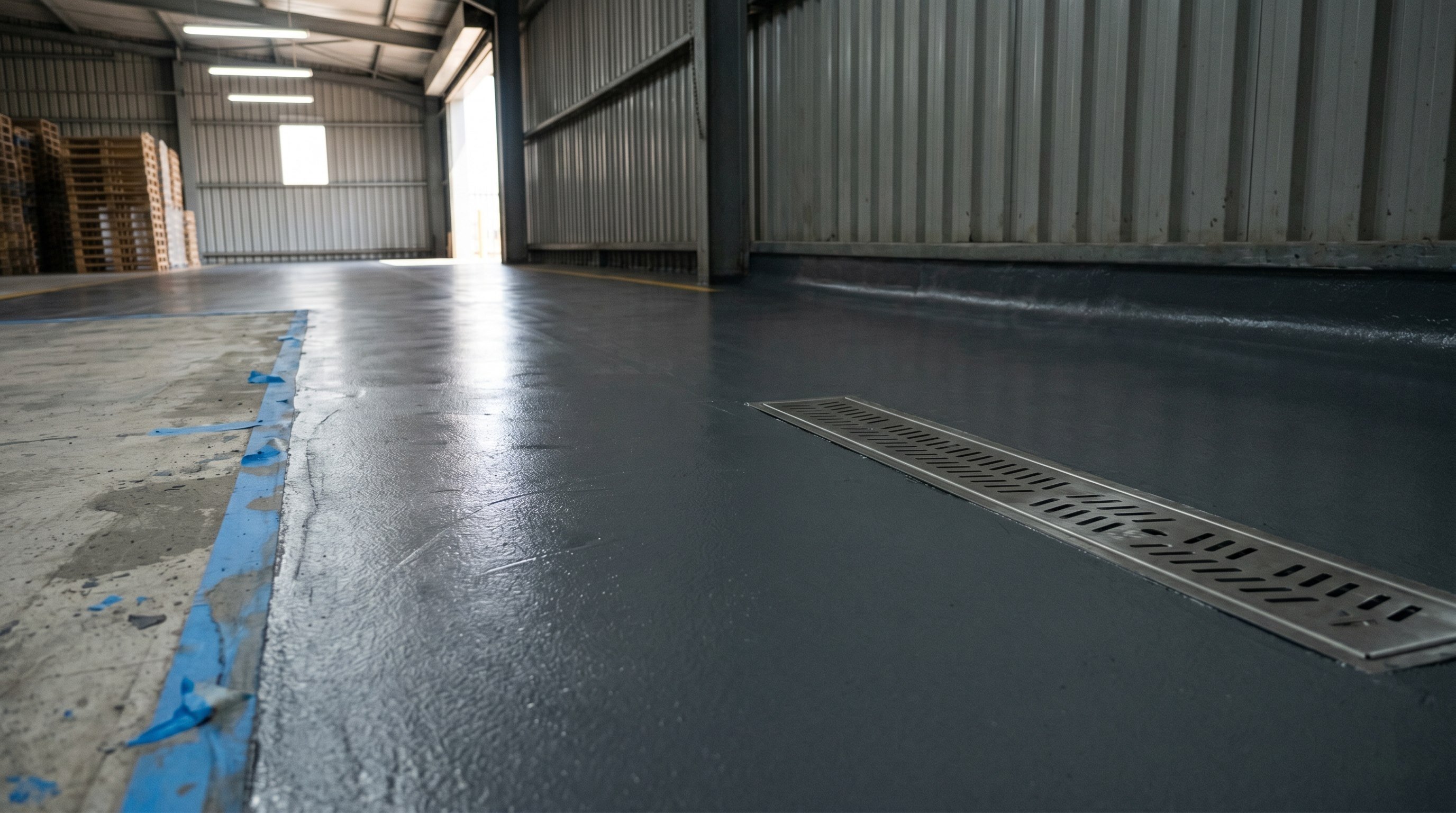
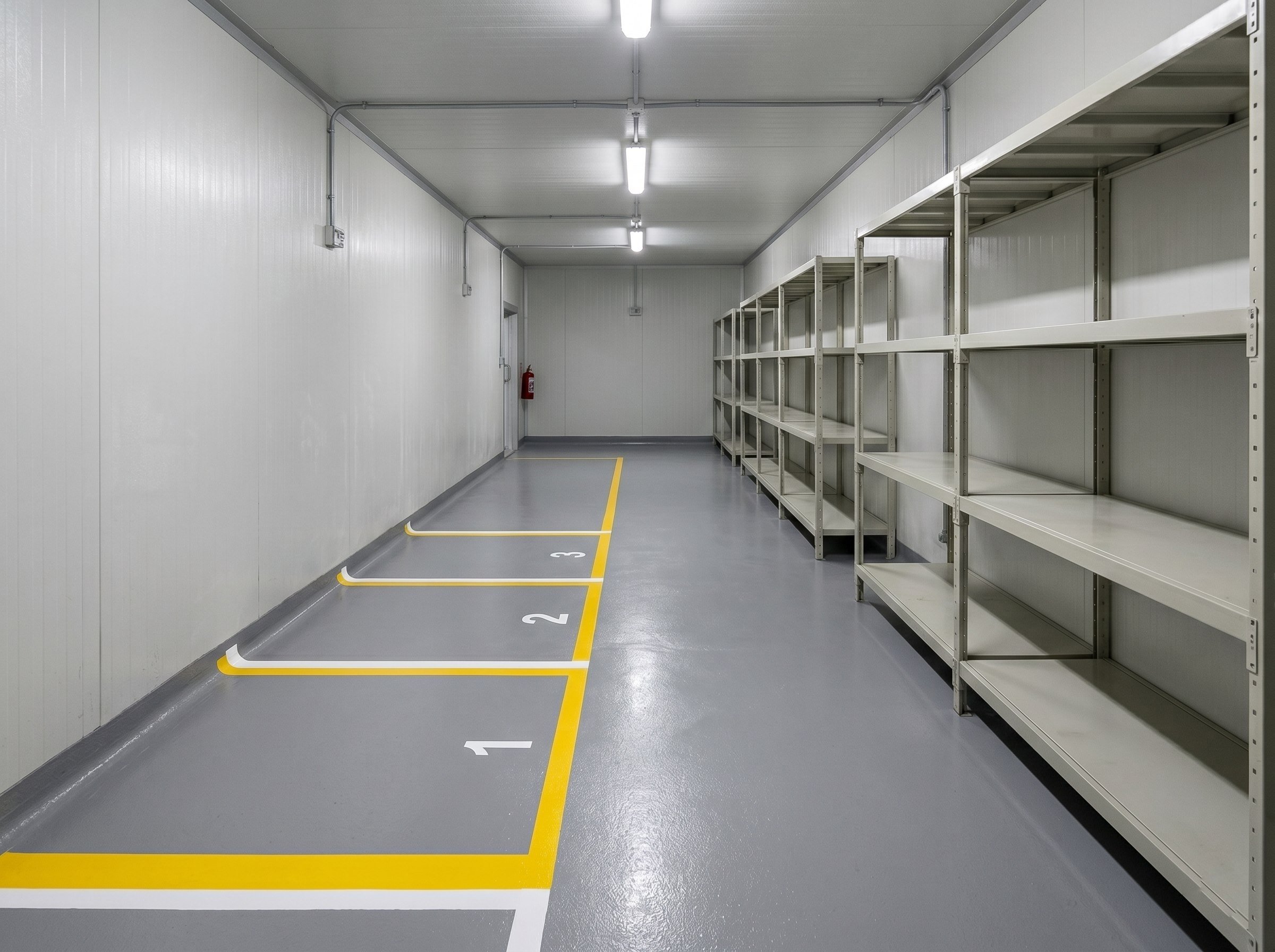
A glossy topcoat on weak concrete or rising moisture is an expensive way to learn the substrate was never ready. We treat industrial floors as engineered systems: preparation, primer, build coats, and protection windows that match how the space is actually used.
Explore our industrial epoxy flooring scope for chemical resistance, traffic ratings, and QA artefacts plant managers can file without translation.
Moisture, contamination, and flatness are baselined before resin kits arrive; engineer or manufacturer hold points cover food-grade, chemical, or structural substrates that need written acceptance criteria.
Chemical resistance, traffic ratings, fast-cure options, and QA documentation for warehouses, plants, and retail back-of-house.
Industrial floors, hygienic walls, and architectural texture systems carry different compliance expectations. Each spoke below targets the procurement language and QA artefacts buyers expect before mobilisation.
Chemical resistance, traffic ratings, fast-cure options, and QA documentation for warehouses, plants, and retail back-of-house.
Decorative cement floor finishes with slab checks, colour samples, sealer selection, and clean maintenance handover.
Preparation, sealing, coating, and maintenance for feature walls, facade cladding, fixings, joints, and exposed edges.
Exterior cementitious wall finishes with damp checks, crack preparation, sample-led texture control, and weatherproof sealing.
Smooth, cleanable wall and floor systems for food and beverage facilities with audit-friendly documentation.
Certified Marmoran application for durable architectural façades and feature walls with manufacturer-backed warranties.
Zinc-rich primers, epoxies, and polyurethanes for steel, silos, and plant assets with DFT verification and shutdown-sensitive programmes.
Phase 02 / Compliance
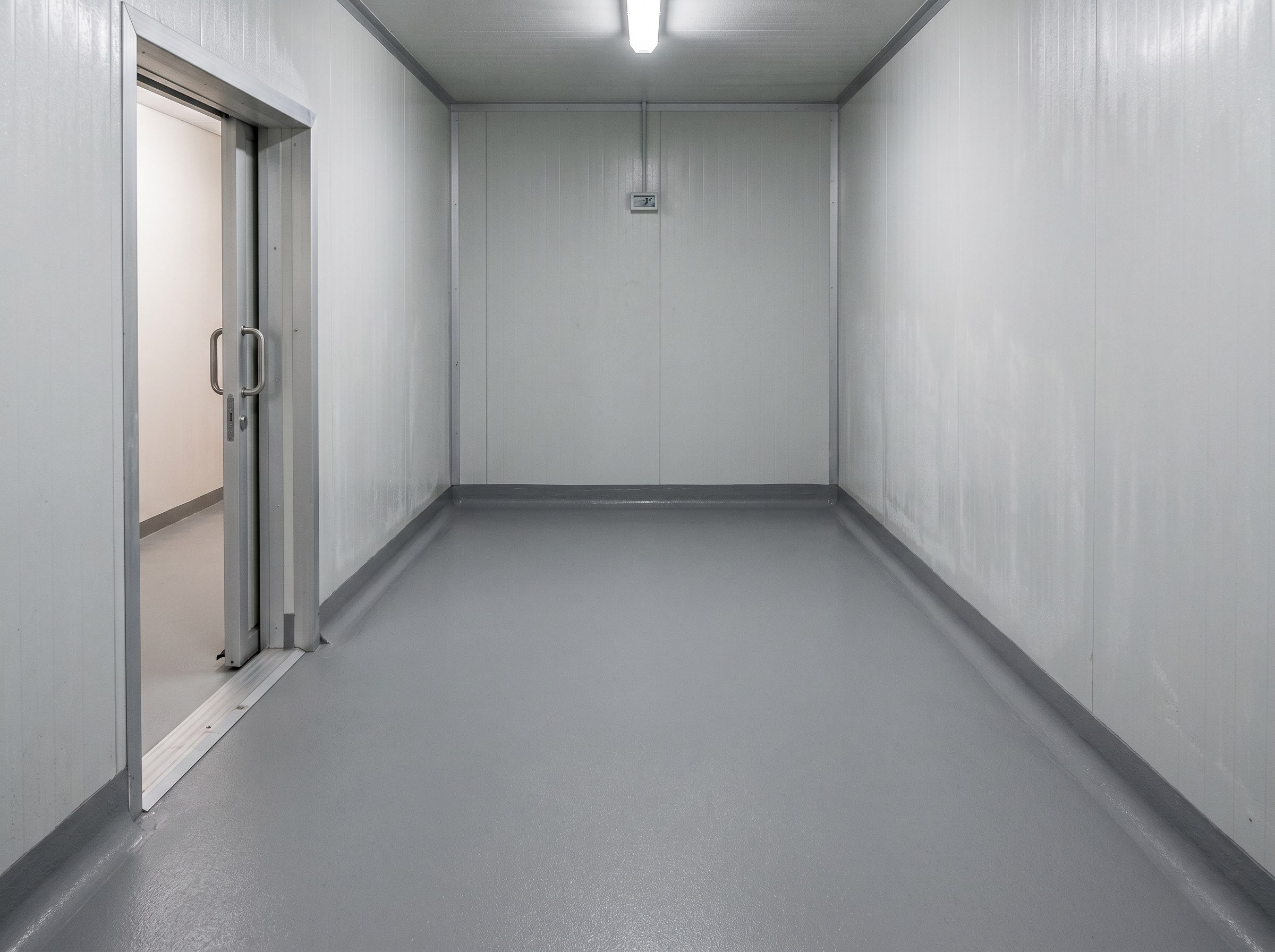
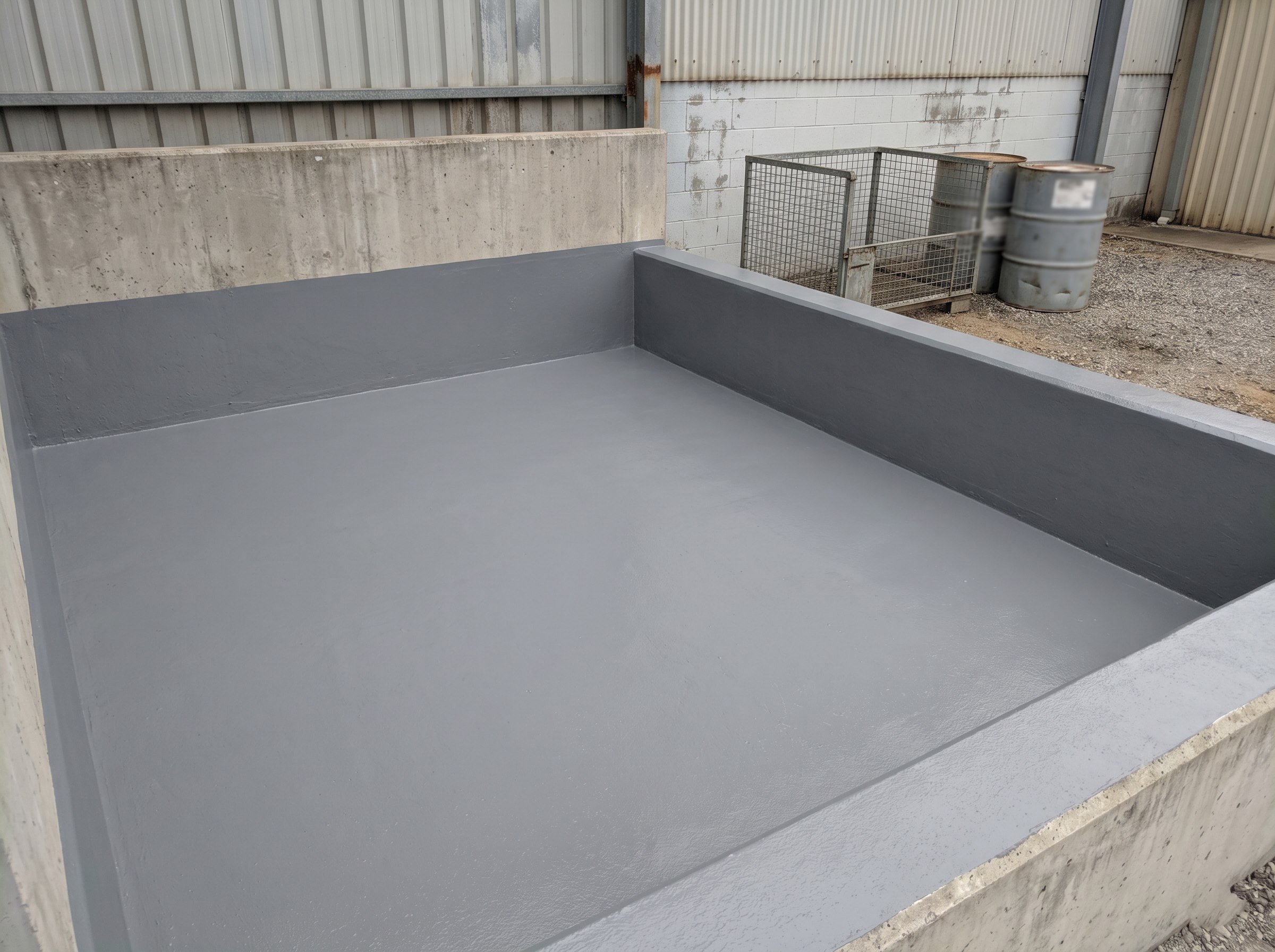
Hygienic environments need smooth, cleanable surfaces and documentation auditors recognise. Our hygienic food-grade programmes align film build and coving details with the hygiene outcomes the facility actually certifies against.
Where plant steel is part of the same maintenance cycle, we integrate industrial corrosion control so floors and structures are not painted by two philosophies in the same month.
Diamond grind, shot blast, or scarify to the CSP the stack demands, then repair cracks and install mitigation when vapour readings say the slab is lying about being dry enough to coat.
Decorative cement floor finishes with slab checks, colour samples, sealer selection, and clean maintenance handover.
Technical answers for procurement teams, trustees, and facility managers in Gauteng.
Food premises need seamless, cleanable surfaces with integral coving at floor–wall junctions, drainage falls, and systems that tolerate washdown and thermal shock. Maverick supplies product and application evidence; facility HACCP certification remains the owner's programme.
Epoxy suits dry industrial traffic and chemical resistance where flexibility is secondary; polyurethane and PU-cement hybrids tolerate thermal shock and moderate movement. Maverick matches resin class to exposure, drainage, and washdown chemistry after moisture and contamination profiling.
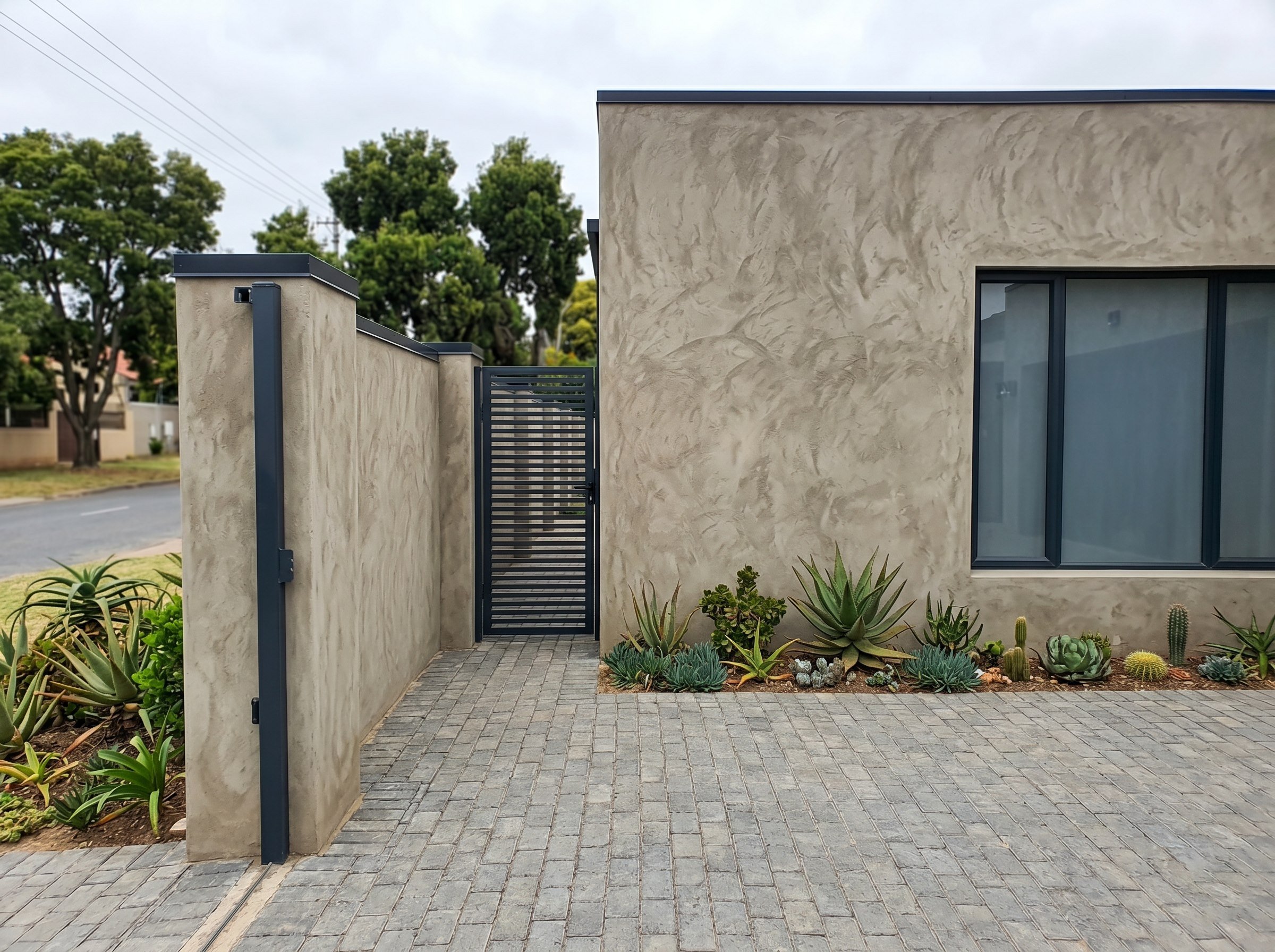
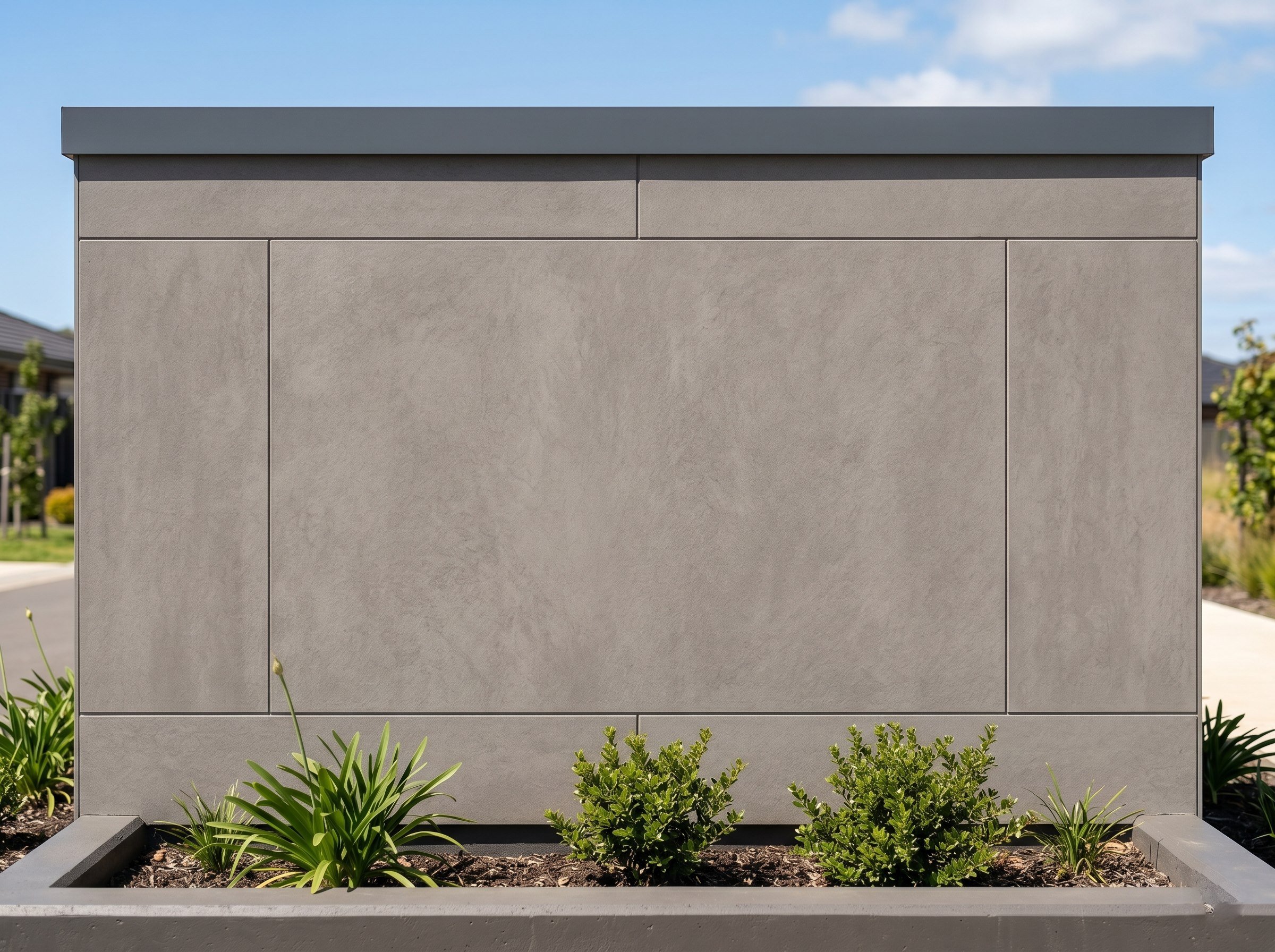
Marmoran is a high-build textured wall coating system for estate and commercial façades needing elastomeric performance. We prepare substrates, control texture, and document film build for manufacturer warranty pathways.
Typical systems sequence zinc-rich primer, epoxy intermediate, and polyurethane topcoat with documented surface preparation (Sa standards where specified) and independent QA on film thickness.
Only with approved moisture-tolerant primers or after moisture testing proves acceptable readings. We profile slabs and reject shortcuts that cause delamination under forklift traffic.
Yes on specified external walls and floors. Substrate preparation, curing, and sealer selection follow manufacturer requirements for Gauteng UV and thermal cycling.
Our Unbeatable Guarantee
Unlike standard contractors who rely on biased, in-house quality checks, we use a trusted, independent third-party QA company on all projects. This is our commitment to verifiably superior quality.
A dedicated project manager and the independent body conduct an on-site assessment to determine the correct coating system and technical specification required for your specific asset.
The independent company performs continuous application inspections at every critical stage (surface prep, primer, film thickness) to ensure manufacturer requirements are met before the final coat.
You receive bi-weekly progress and substrate reports providing a complete, recorded history of the project. This delivers objective proof of quality and total peace of mind for trustees and facility managers.
Verifiable Proof of Quality
Ready for Verifiable, Zero-Risk Quality?
Contact us today to schedule an on-site assessment and receive your substrate-specific specification.