
PHASE_01
Diagnosis before drilling
Condensation, roof leaks, and lateral moisture can mimic rising damp.
Rising damp is capillary moisture pulling through masonry and carrying hygroscopic salts that destroy plaster and paint finishes. Effective remediation combines a new horizontal barrier (typically chemical DPC injection at bed joint level), salt management, and compatible replastering, not a single coat of paint marketed as a miracle cure.
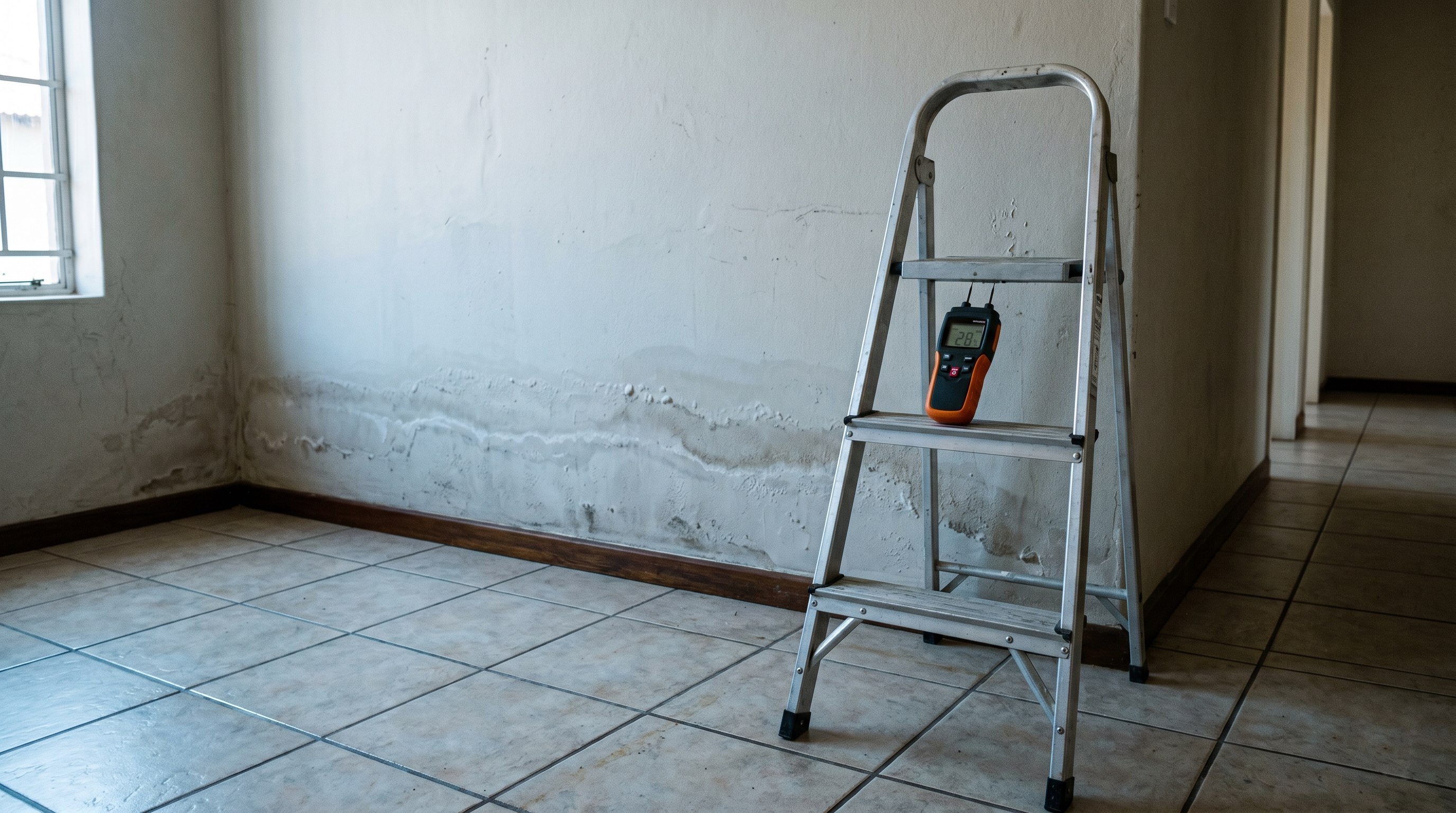
Condensation, roof leaks, and lateral moisture can mimic rising damp. We profile readings, inspect external bridges, and sample finishes where needed so injection budgets fix the real mechanism, not the wrong wall.
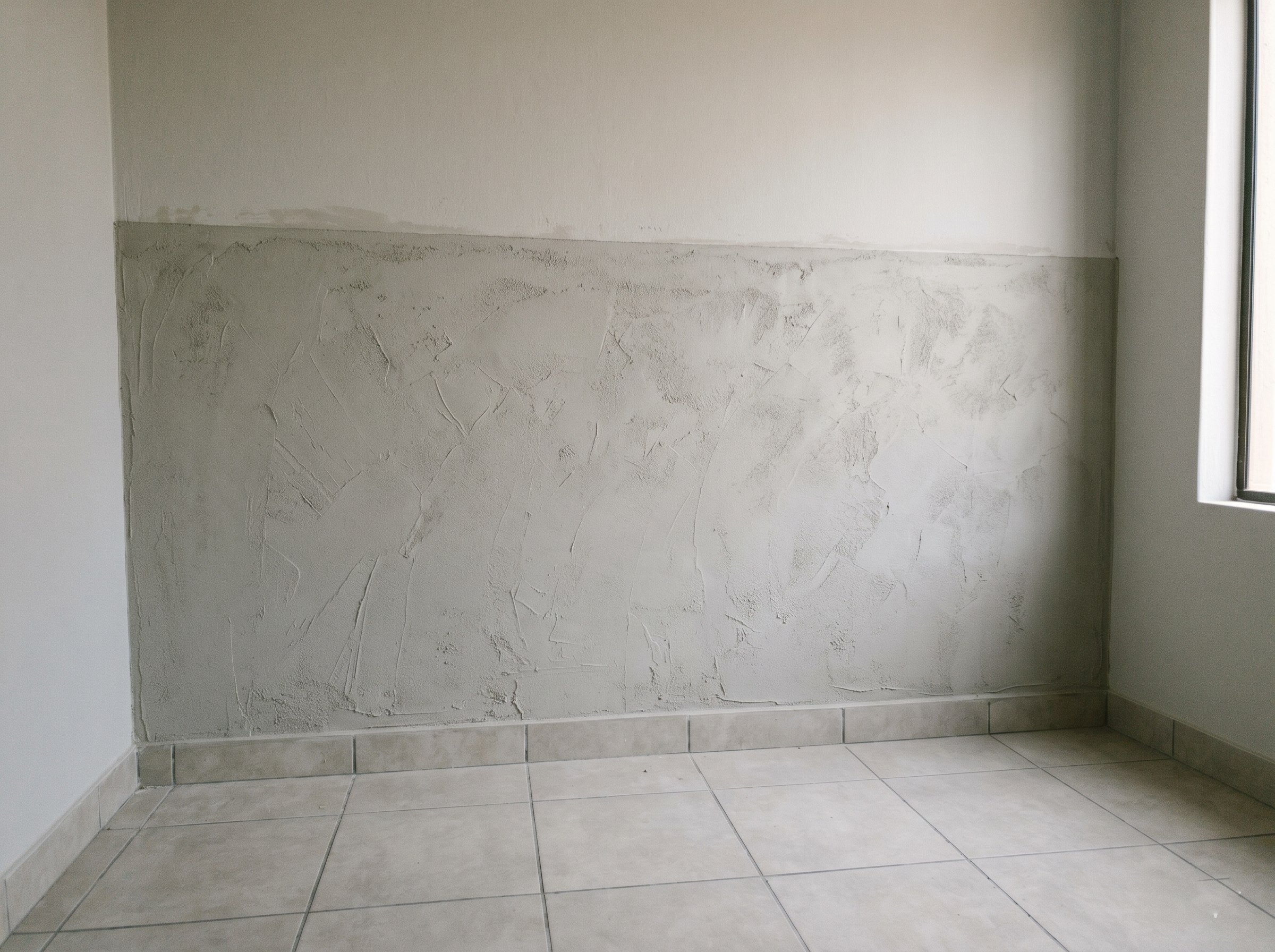
Approved creams or resins are placed in mortar beds to reinstate a horizontal barrier. Drill spacing, depth, and cavity construction change the pattern, we set out to manufacturer and wall-build guidance, not a generic grid.
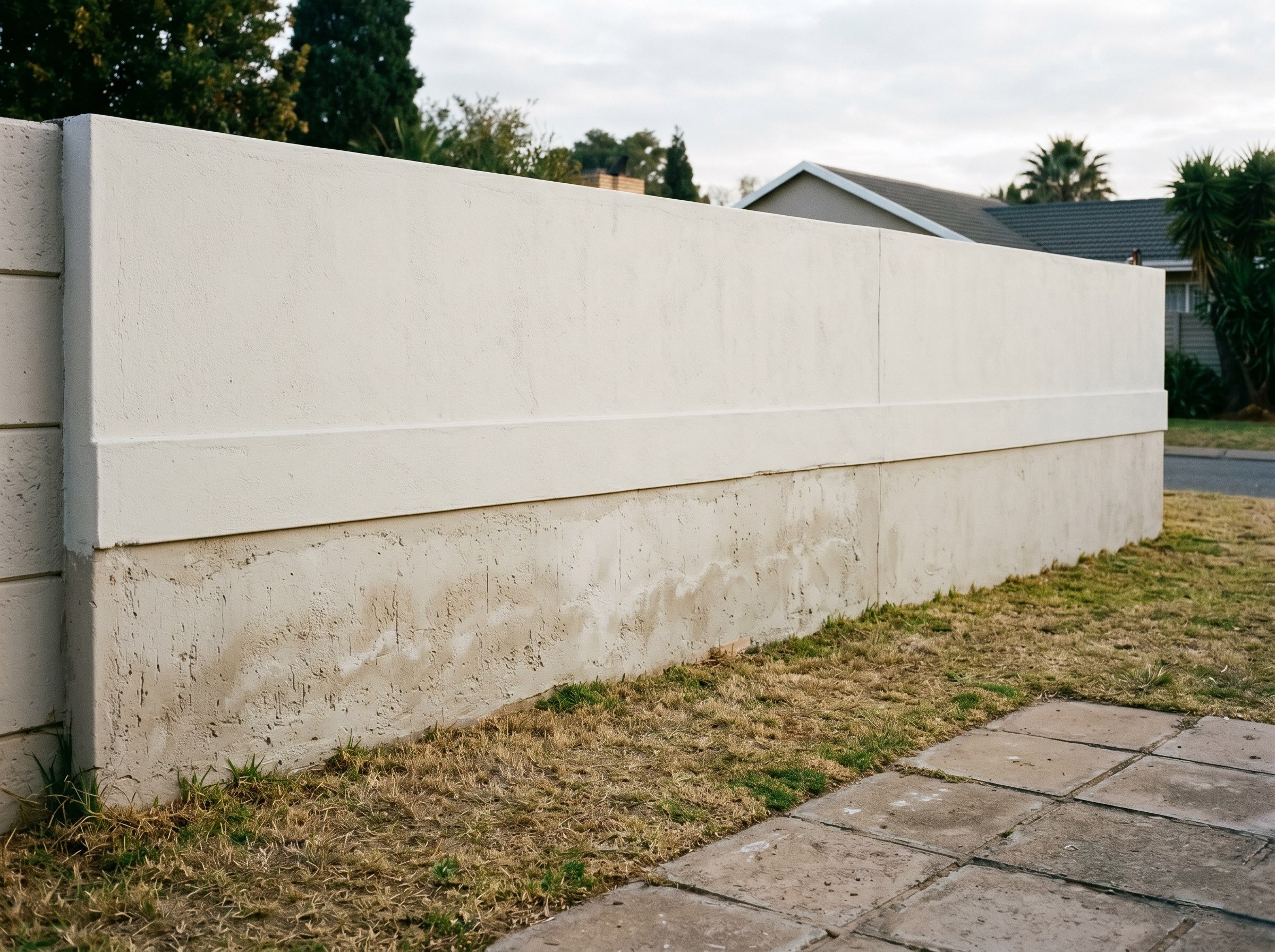
Exclusive-use paving, planters, and retrofitted patios often re-bridge a new DPC. Reports spell out maintenance duties so warranties stay defensible when owners or insurers ask hard questions later.
Core interventions
Measure first. Treat the mechanism. Document the barrier.
PHASE_01
Condensation, roof leaks, and lateral moisture can mimic rising damp.
PHASE_02
Approved creams or resins are placed in mortar beds to reinstate a horizontal barrier.
PHASE_03
Exclusive-use paving, planters, and retrofitted patios often re-bridge a new DPC.
PHASE_04
Masonry dries slowly after injection.
Why rising damp needs diagnosis before demolition
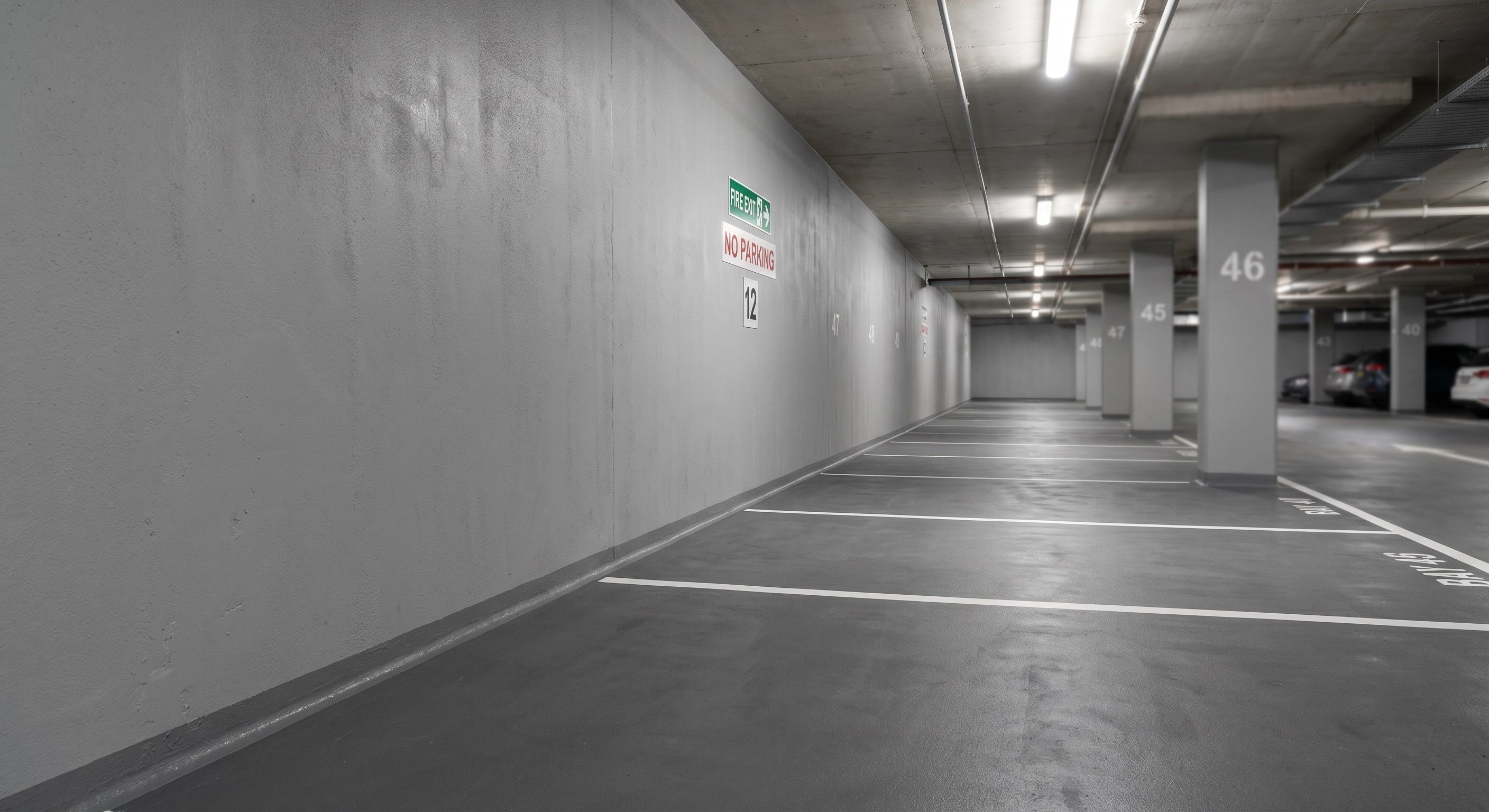
Phase 01 / Assessment
Injection at regulated centres plus staged replastering preserved skirting architraves while stopping salt bloom recurrence within 12-month monitoring.
Condensation, roof leaks, and lateral moisture can mimic rising damp. We profile readings, inspect external bridges, and sample finishes where needed so injection budgets fix the real mechanism, not the wrong wall.
Approved creams or resins are placed in mortar beds to reinstate a horizontal barrier. Drill spacing, depth, and cavity construction change the pattern, we set out to manufacturer and wall-build guidance, not a generic grid.
Exclusive-use paving, planters, and retrofitted patios often re-bridge a new DPC. Reports spell out maintenance duties so warranties stay defensible when owners or insurers ask hard questions later.
Related scope: Damp proofing overview
Each page below targets a distinct moisture mechanism and procurement keyword cluster, giving technical buyers the depth they expect before inviting a site walk-down.
Chemical DPC injection, salt analysis, replastering protocols, and sectional-title documentation for capillary rise in masonry walls.
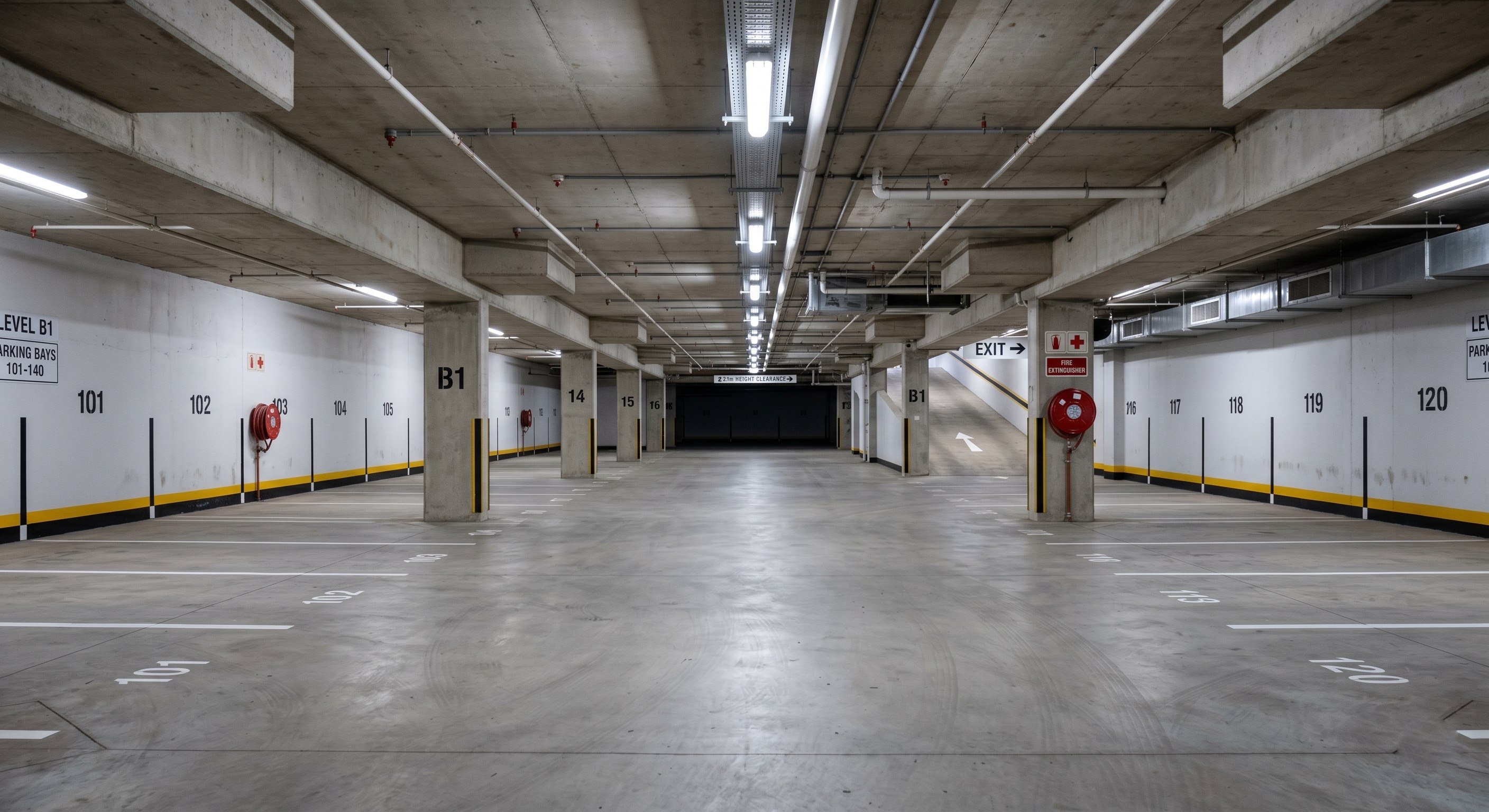
Negative- vs positive-side logic, active leak management, lift pits, and parking slabs with hydrostatic pressure risk.
Sectional-title documentation, low-disruption options, exclusive-use interfaces, and coordination with structural arris repairs.
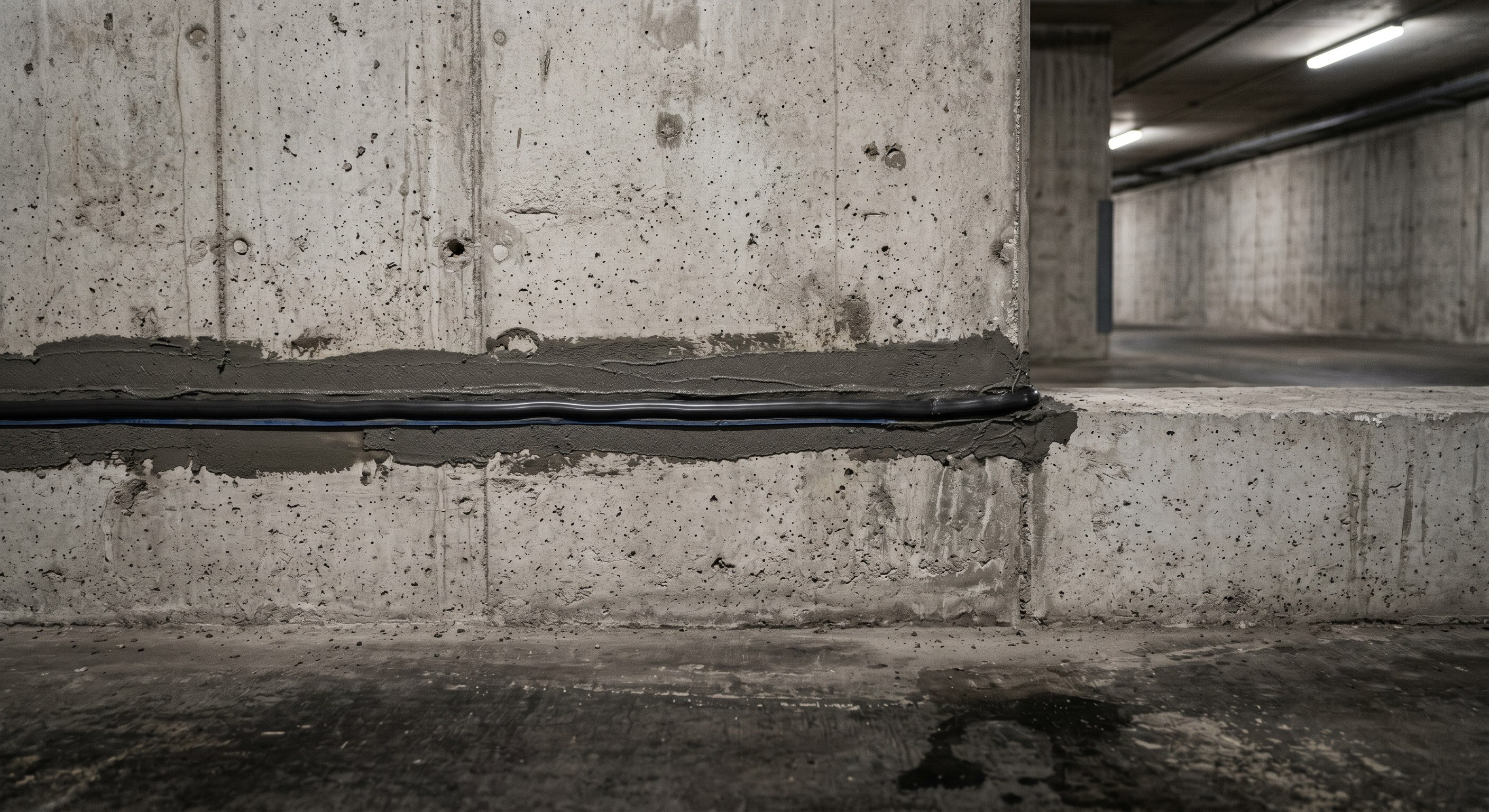
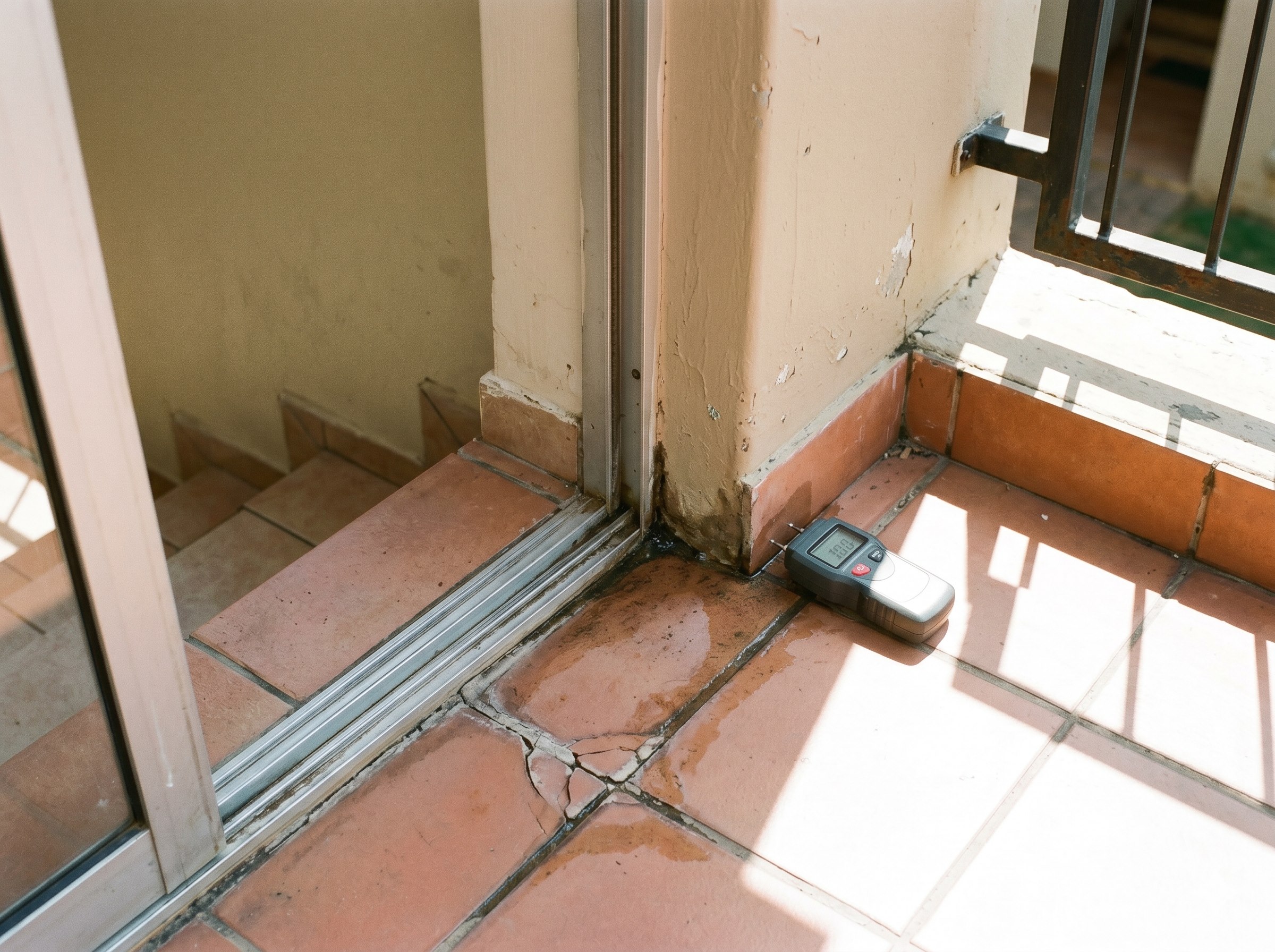
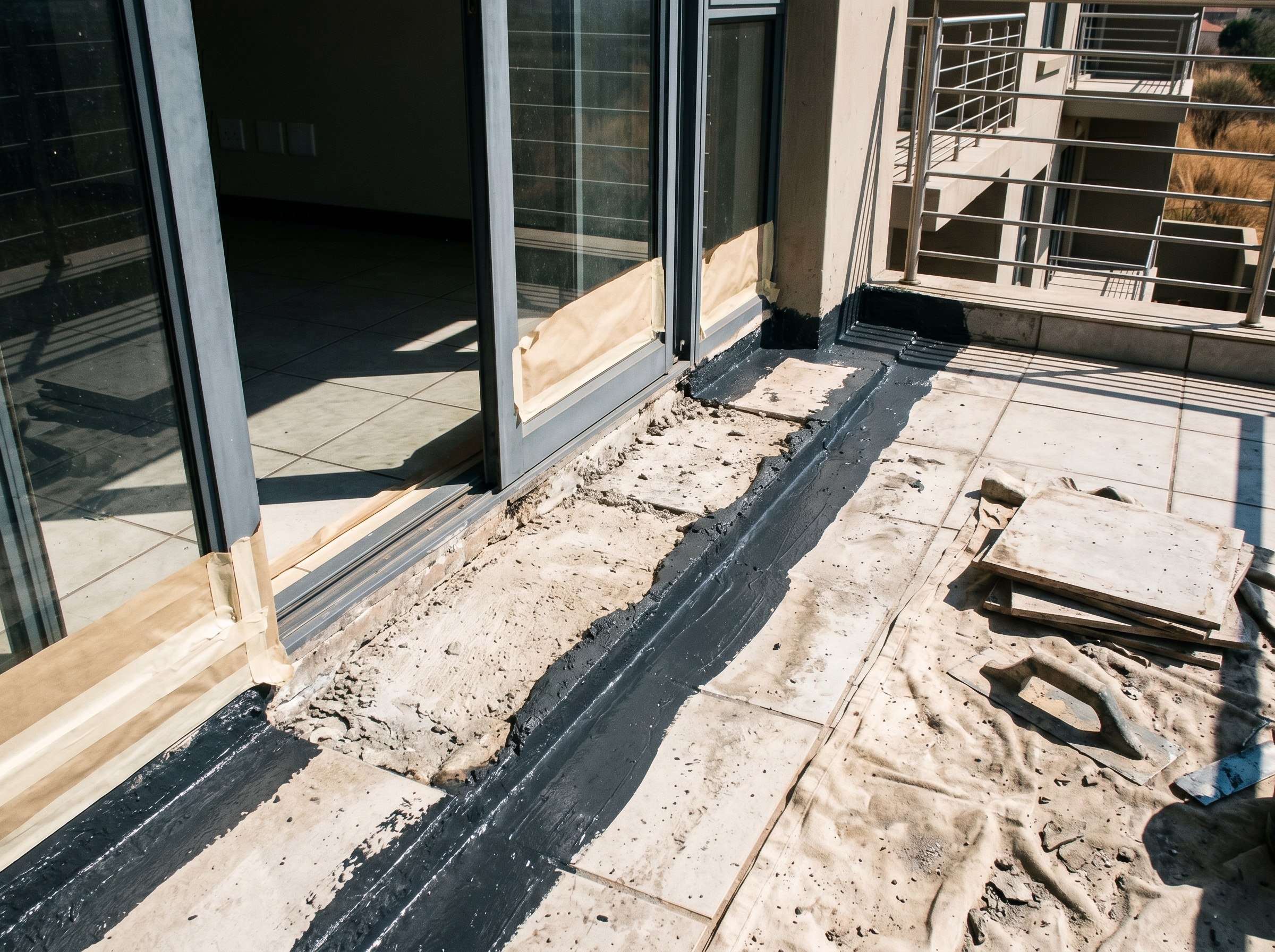
Phase 02 / Execution
Moisture profiling proved capillary rise; injection plus localized French drain advice stopped repeat tenant insurance claims.
Approved creams or resins are placed in mortar beds to reinstate a horizontal barrier. Drill spacing, depth, and cavity construction change the pattern, we set out to manufacturer and wall-build guidance, not a generic grid.
Exclusive-use paving, planters, and retrofitted patios often re-bridge a new DPC. Reports spell out maintenance duties so warranties stay defensible when owners or insurers ask hard questions later.
Masonry dries slowly after injection. We publish realistic drying curves, compatible primers, and re-check dates so trustees do not authorise paint or wallpaper that traps moisture and voids promises.
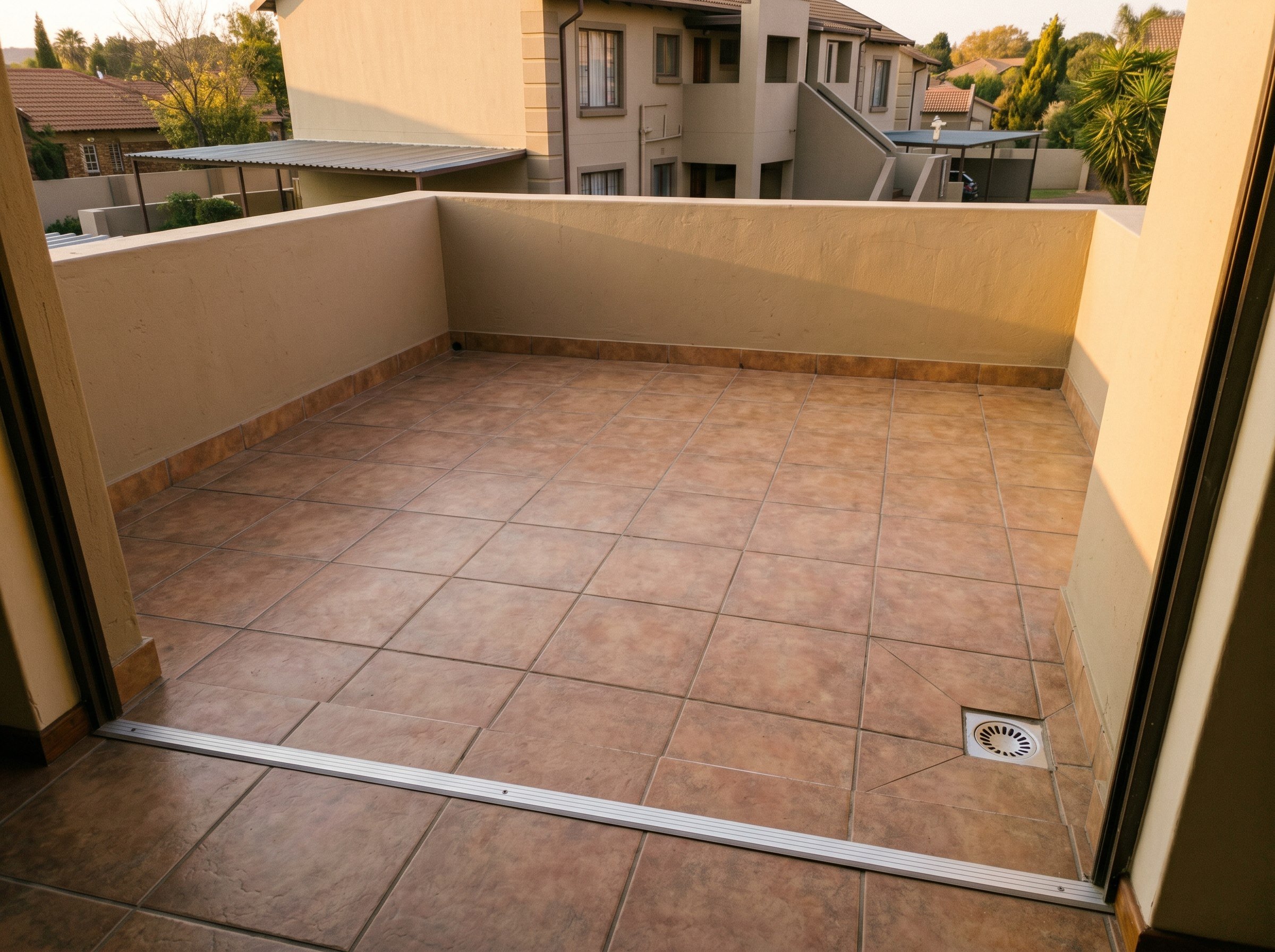
Related scope: Leaking balcony waterproofing
Phase 03 / Handover
Rapid phased damp remediation met landlord handover dates without closing mall trading lanes.
Exclusive-use paving, planters, and retrofitted patios often re-bridge a new DPC. Reports spell out maintenance duties so warranties stay defensible when owners or insurers ask hard questions later.
Masonry dries slowly after injection. We publish realistic drying curves, compatible primers, and re-check dates so trustees do not authorise paint or wallpaper that traps moisture and voids promises.
Condensation, roof leaks, and lateral moisture can mimic rising damp. We profile readings, inspect external bridges, and sample finishes where needed so injection budgets fix the real mechanism, not the wrong wall.
Related scope: Technical rising damp guide
Technical answers for procurement teams, trustees, and facility managers in Gauteng.
Rising damp moves vertically through porous masonry via capillary action, usually absent a functioning DPC. Roof and lateral water ingress are different failure modes with different remedies.
No ethical contractor promises instant drying. Masonry equilibrates slowly; we specify realistic drying timelines and redecoration windows.
Salt-contaminated plaster often needs removal/replacement systems compatible with injection chemistry. Localised retention is only advised when testing supports it.
That may be condensation or leak-driven. Assessments distinguish bathroom HVAC issues from true rising damp.
Cavity construction changes drill patterns and verification. We adjust methodology to manufacturer guidance for double-leaf systems.
If external ground bridges the DPC, reducing levels or adding drainage may be advised alongside injection.
Our Unbeatable Guarantee
Unlike standard contractors who rely on biased, in-house quality checks, we use a trusted, independent third-party QA company on all projects. This is our commitment to verifiably superior quality.
A dedicated project manager and the independent body conduct an on-site assessment to determine the correct coating system and technical specification required for your specific asset.
The independent company performs continuous application inspections at every critical stage (surface prep, primer, film thickness) to ensure manufacturer requirements are met before the final coat.
You receive bi-weekly progress and substrate reports providing a complete, recorded history of the project. This delivers objective proof of quality and total peace of mind for trustees and facility managers.
Verifiable Proof of Quality
Ready for Verifiable, Zero-Risk Quality?
Contact us today to schedule an on-site assessment and receive your substrate-specific specification.