
PHASE_01
Positive vs negative side interventions
External positive barriers suit new construction; negative remedial tanking applies when bulkheads cannot be dug out.
Hydrostatic pressure finds the weakest detail: construction joints, kicker joints, pipe penetrations, and honeycombed lifts. Maverick executes tanking as a system, not a single brush coat, sequencing surface preparation, active leak management, membrane or crystalline courses, and protection screeds exactly as the engineer and manufacturer define.
External positive barriers suit new construction; negative remedial tanking applies when bulkheads cannot be dug out. We state limitations honestly, negative builds manage hydrostatic load differently and must follow engineer design.
Where specified, crystalline systems (such as Xypex-type formulations) penetrate concrete capillary tracts and react with moisture and cement hydration by-products to form non-soluble crystalline structures, rendering the concrete mass impermeable to water and aggressive groundwater chemicals.
These technologies can resist extreme hydrostatic pressure from positive or negative sides and possess self-healing properties for future hairline cracks up to approximately 0.4 mm, often specified for lift pits, elevator shafts, and underground parking grids.
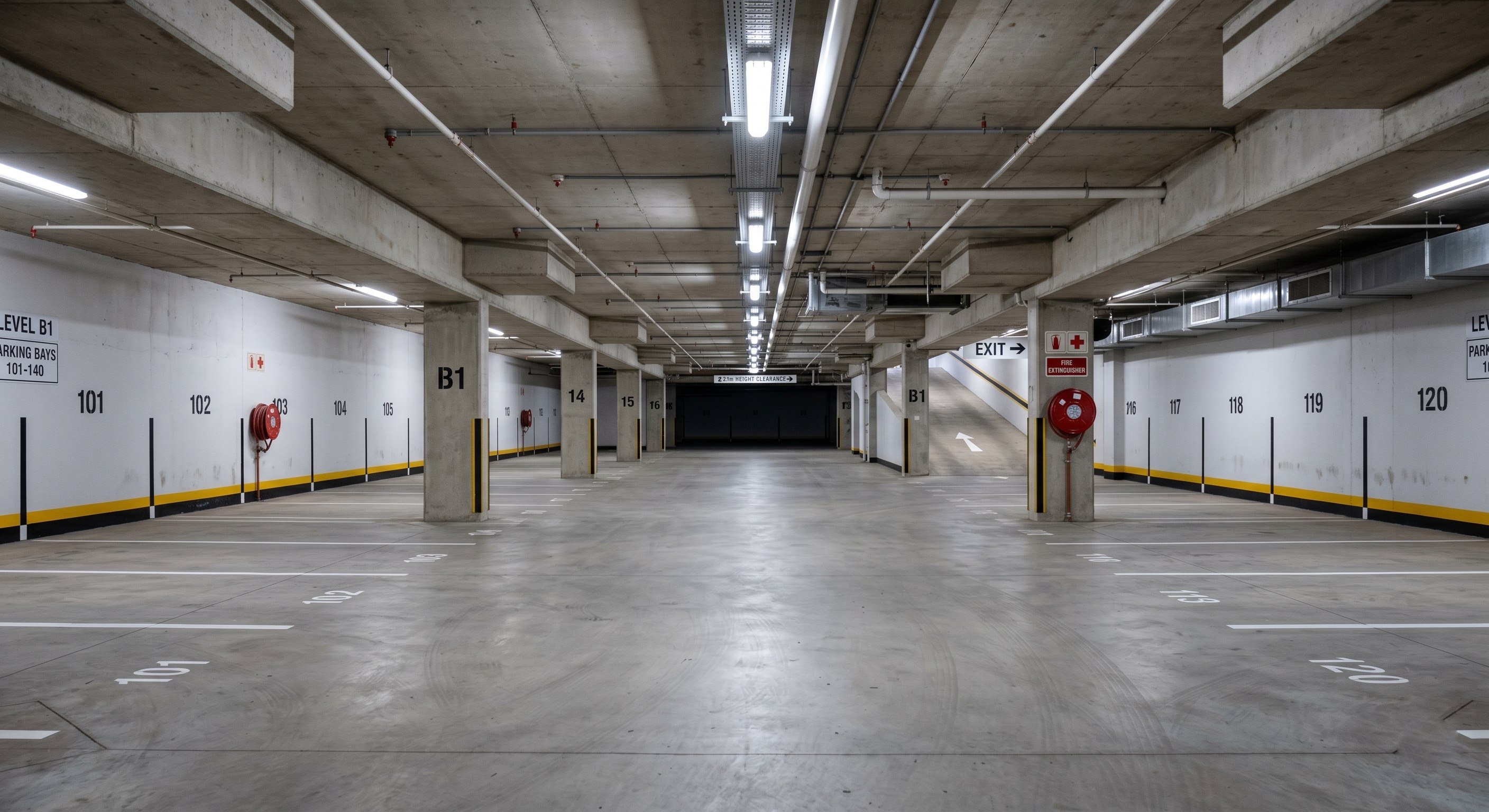
Core interventions
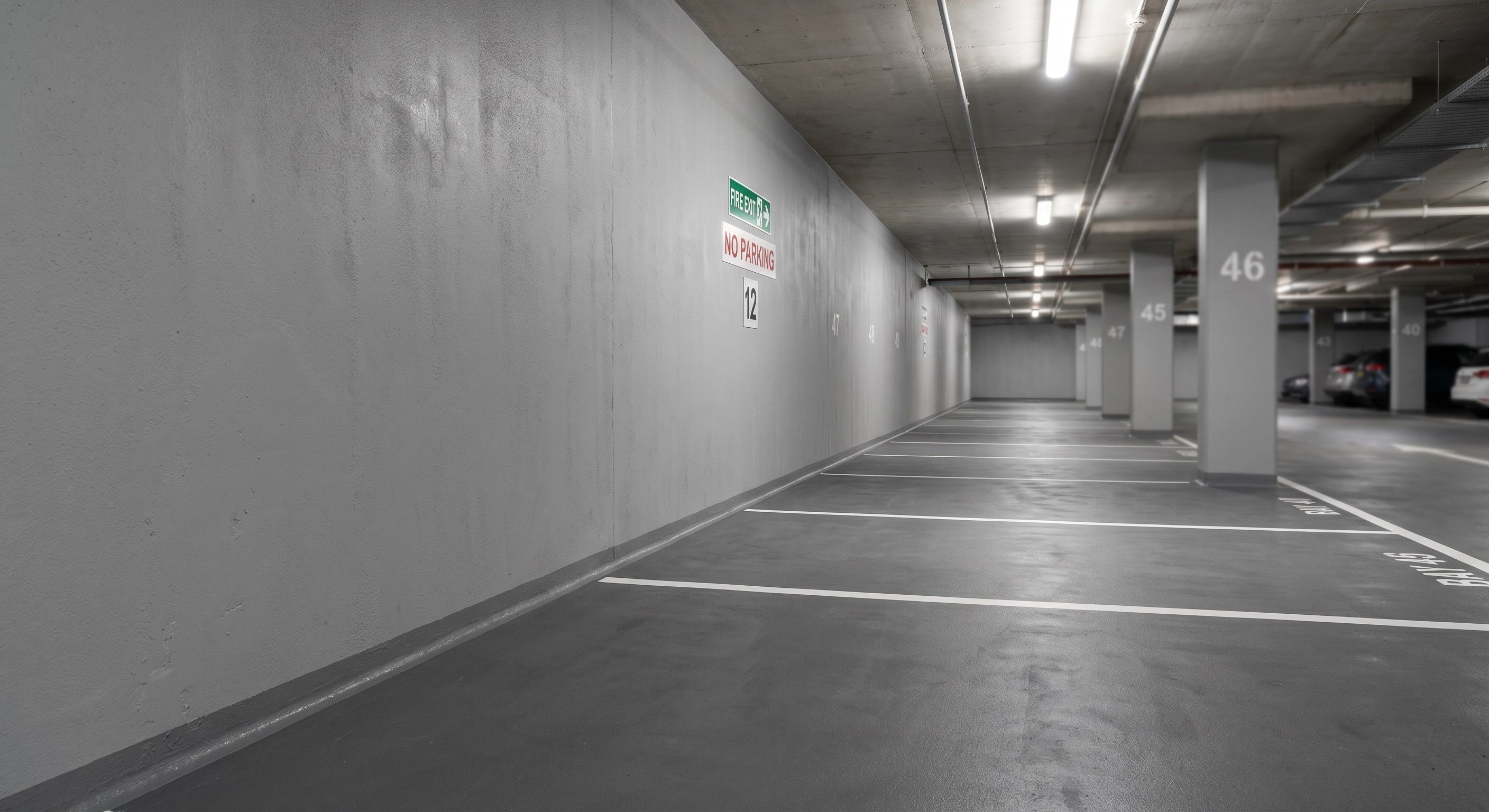
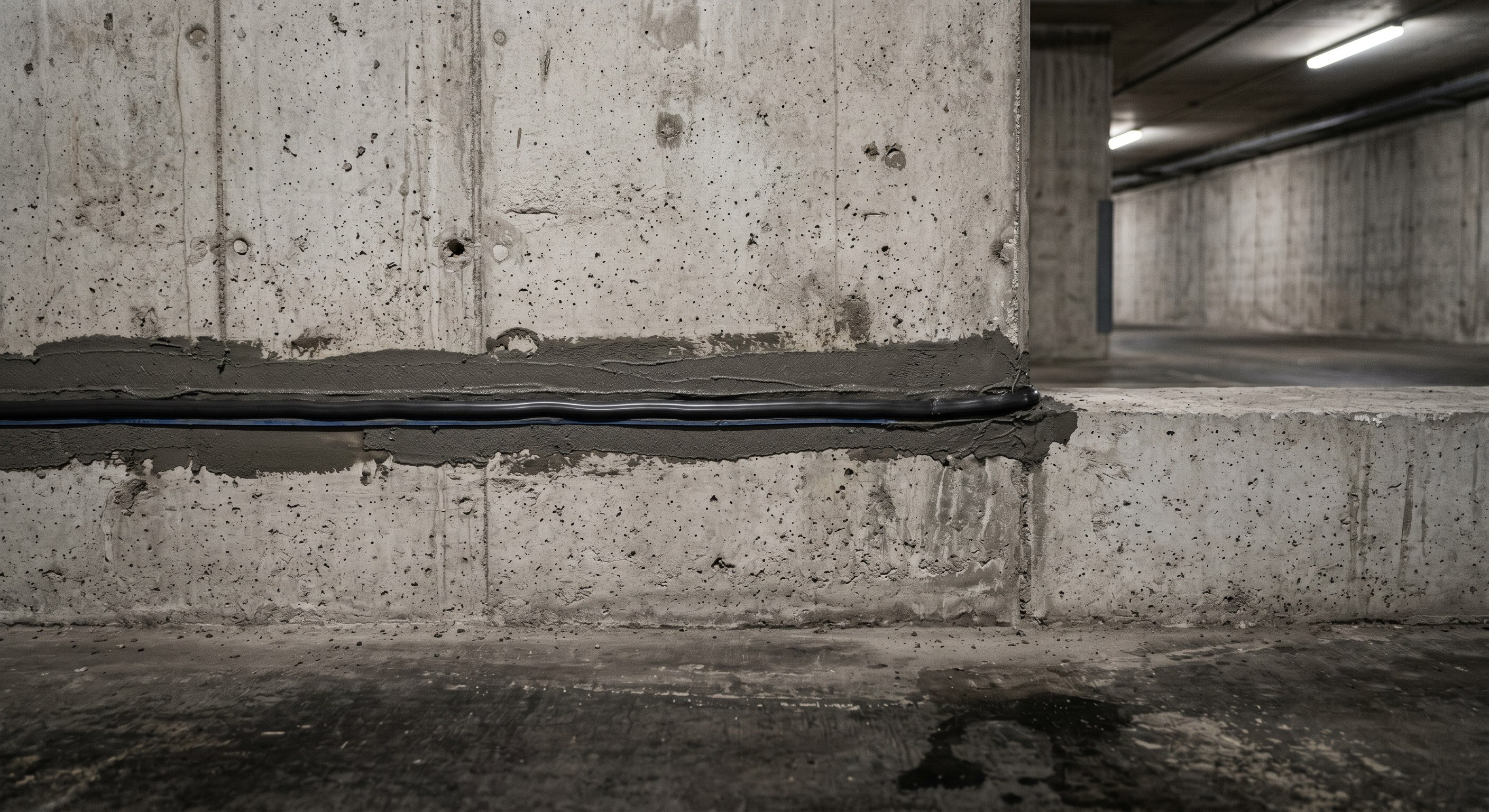
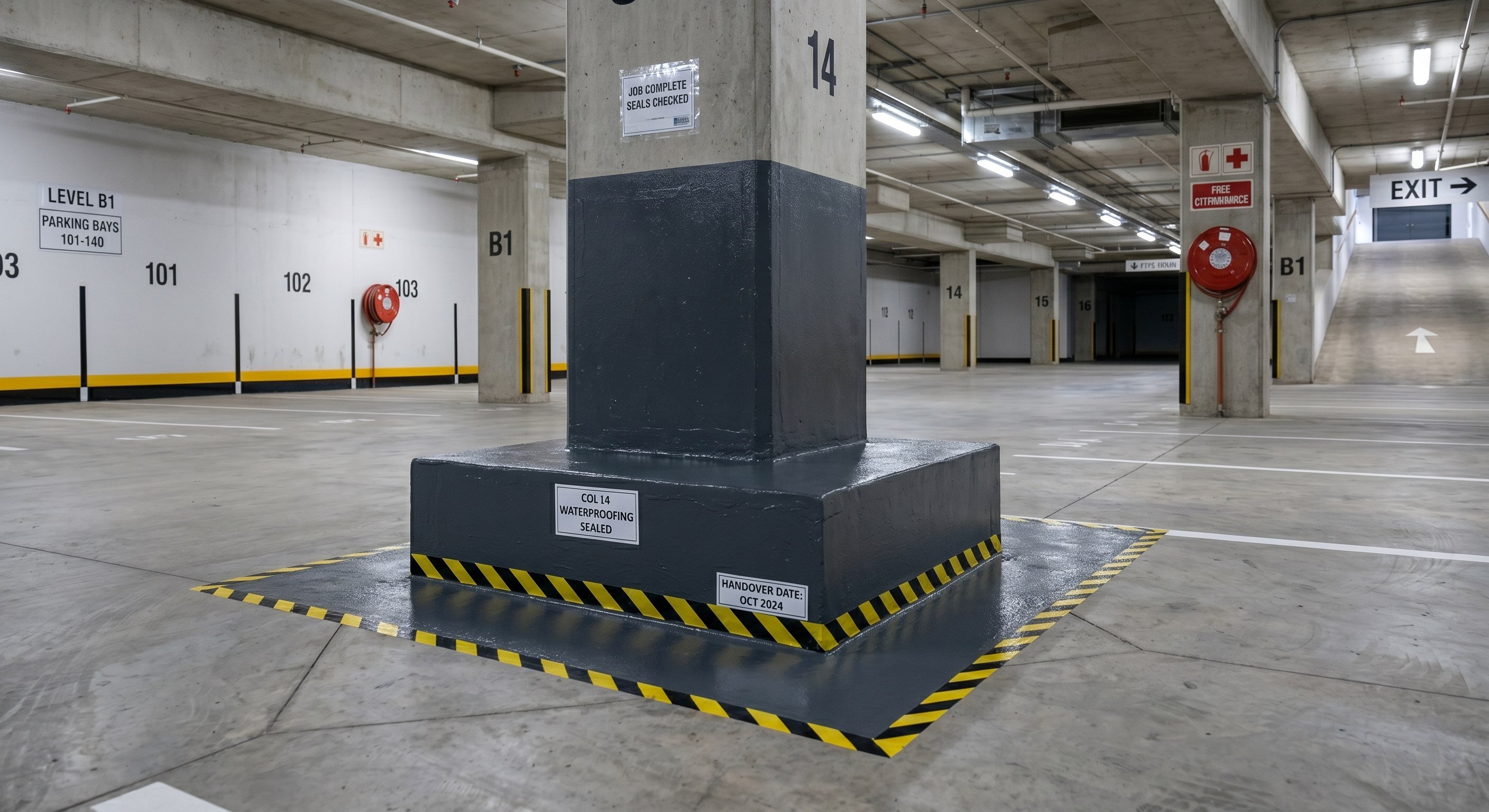
Diagnostics first. Detailing discipline. Co-signed guarantees.
PHASE_01
External positive barriers suit new construction; negative remedial tanking applies when bulkheads cannot be dug out.
PHASE_02
Where specified, crystalline systems (such as Xypex-type formulations) penetrate concrete capillary tracts and react with moisture and cement.
PHASE_03
Fast leaks need grout, injection, or relief drainage before membranes see constant head.
PHASE_04
Oil interceptors, brine decks, and sprinkler testing change chemical risk for each space.
Why membrane renewals belong in your portfolio risk plan
Phase 01 / Assessment
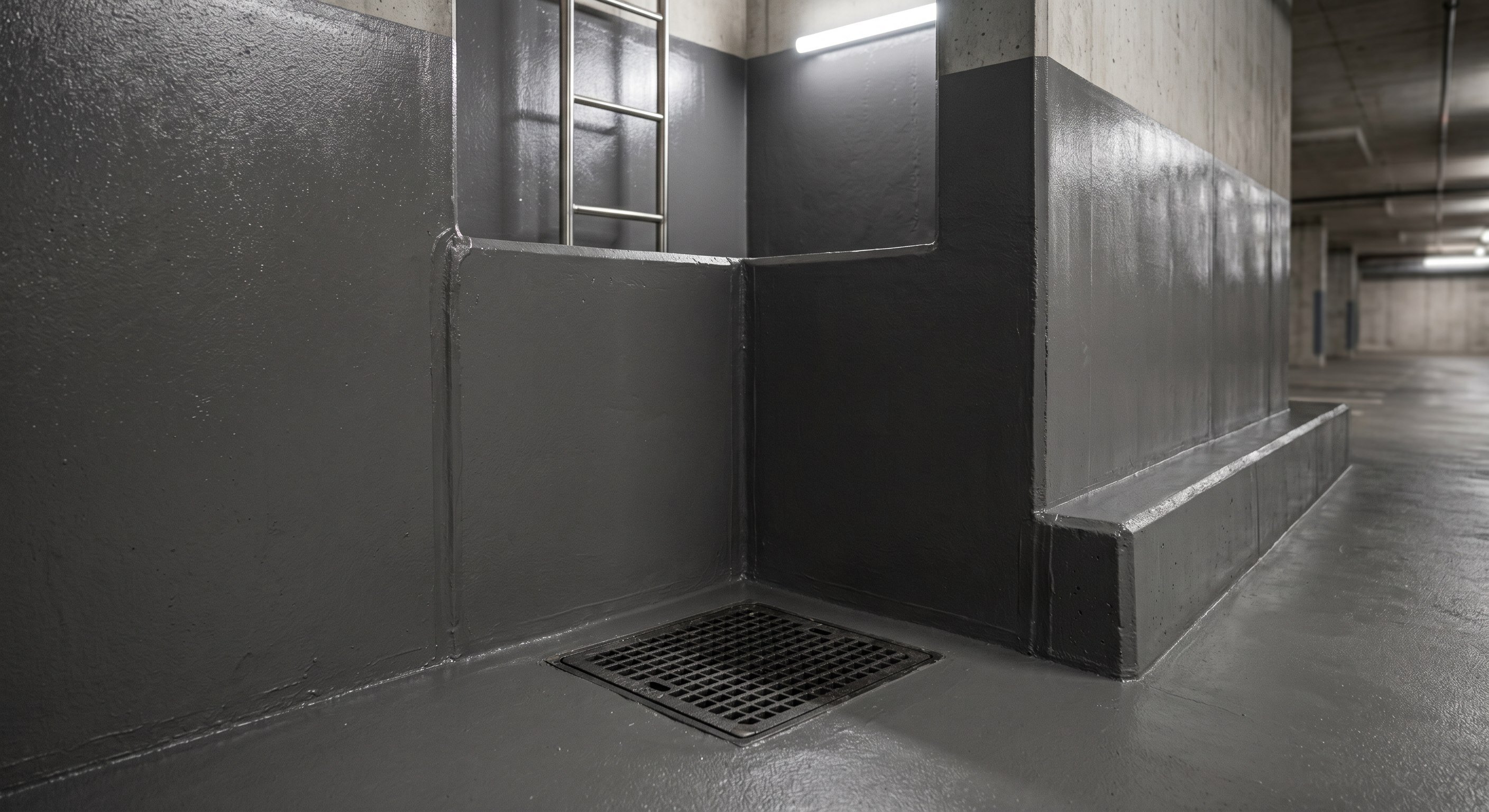
Crystalline and cementitious layering combined with sump redundancy stopped recurring lift pit flooding after failed DIY coatings.
External positive barriers suit new construction; negative remedial tanking applies when bulkheads cannot be dug out. We state limitations honestly, negative builds manage hydrostatic load differently and must follow engineer design.
Where specified, crystalline systems (such as Xypex-type formulations) penetrate concrete capillary tracts and react with moisture and cement hydration by-products to form non-soluble crystalline structures, rendering the concrete mass impermeable to water and aggressive groundwater chemicals.
These technologies can resist extreme hydrostatic pressure from positive or negative sides and possess self-healing properties for future hairline cracks up to approximately 0.4 mm, often specified for lift pits, elevator shafts, and underground parking grids.
Related scope: Crack injection
Thin, catch-all waterproofing pages dilute intent for high-value queries like flat slab renewals, under-tile balconies, and basement tanking. Maverick’s spoke pages unpack methodology, compliance context, and BC documentation separately.
Torch-on vs liquid trade-offs, drainage and ponding risk, UV protection, hybrid programmes, and manufacturer-backed maintenance calendars.
Sectional-title documentation, low-disruption options, exclusive-use interfaces, and coordination with structural arris repairs.
System selection, hybrid programmes, fire constraints, and manufacturer-backed detailing for torch-on and liquid membrane stacks.
Phase 02 / Execution
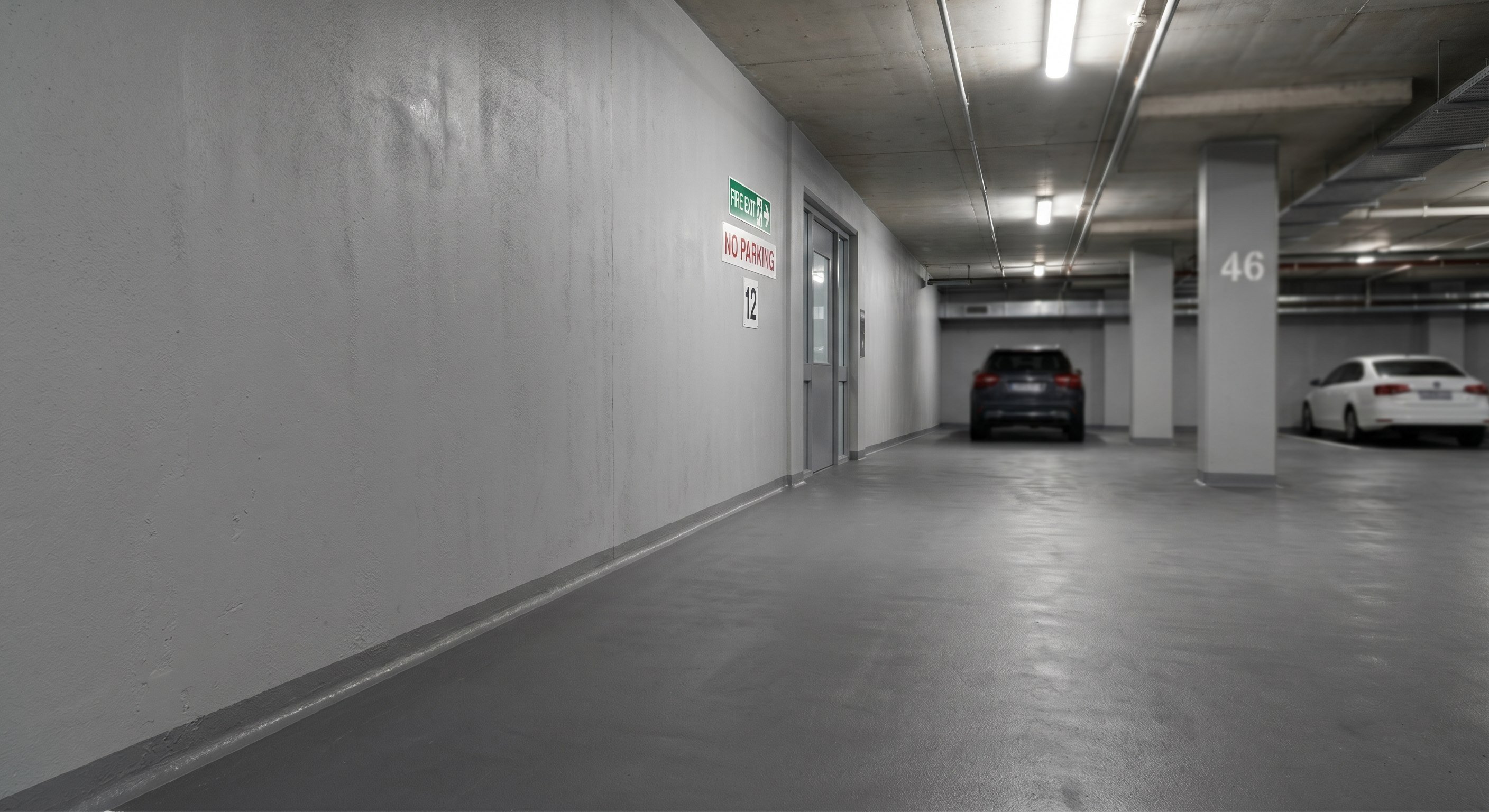
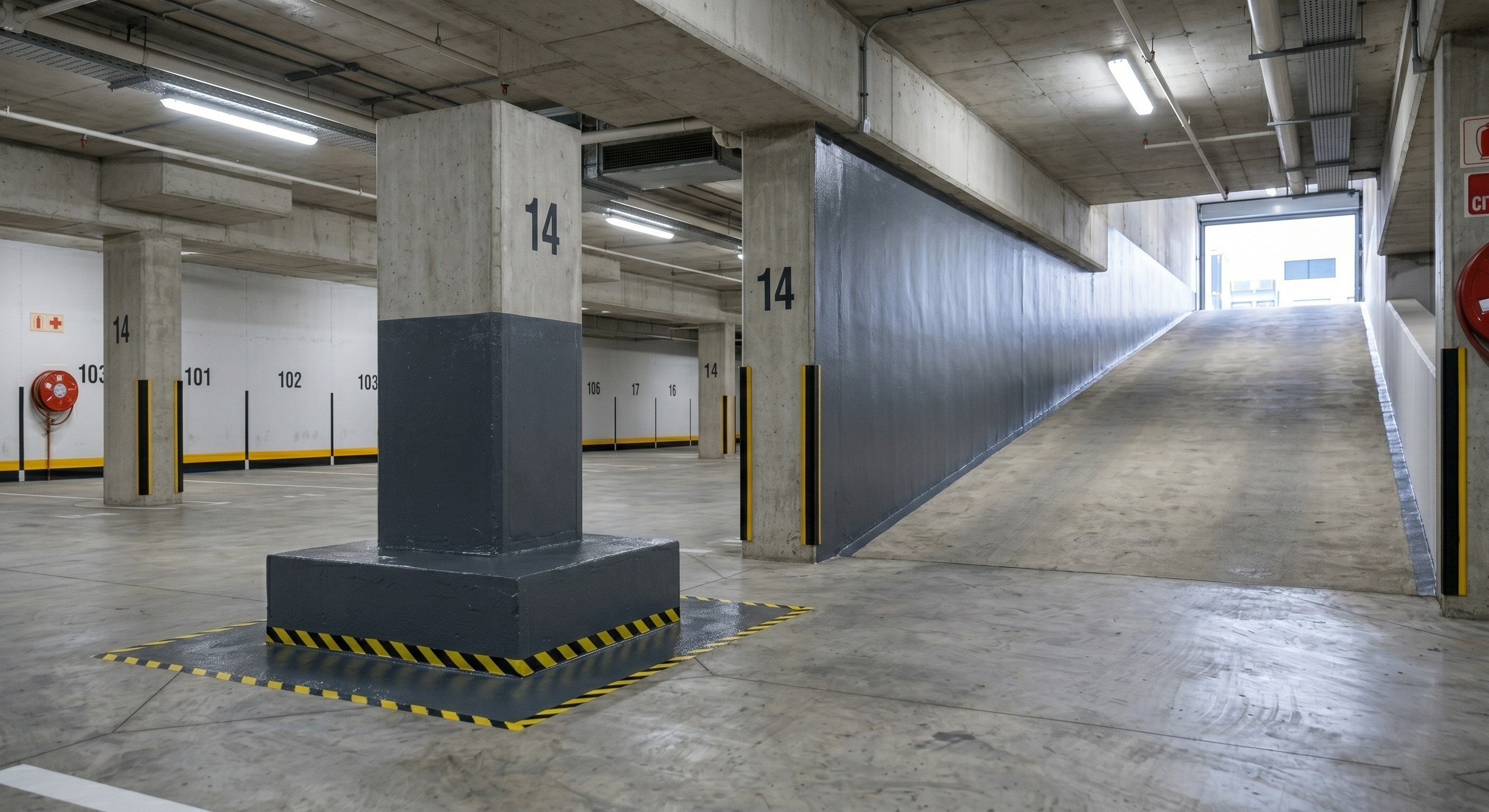
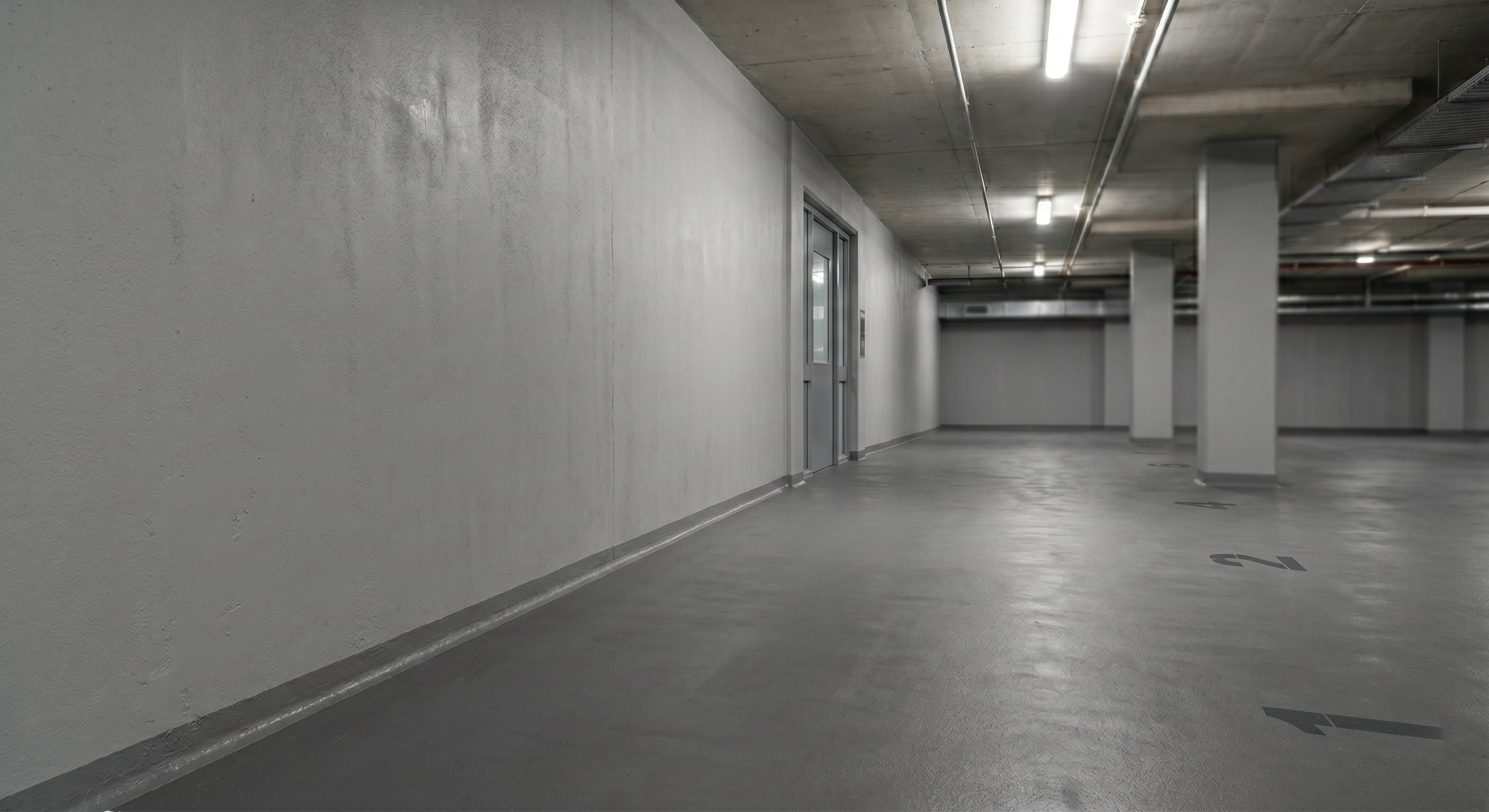
Vapour management and drainage boards were sequenced before specialist AV contractors entered.
Where specified, crystalline systems (such as Xypex-type formulations) penetrate concrete capillary tracts and react with moisture and cement hydration by-products to form non-soluble crystalline structures, rendering the concrete mass impermeable to water and aggressive groundwater chemicals.
These technologies can resist extreme hydrostatic pressure from positive or negative sides and possess self-healing properties for future hairline cracks up to approximately 0.4 mm, often specified for lift pits, elevator shafts, and underground parking grids.
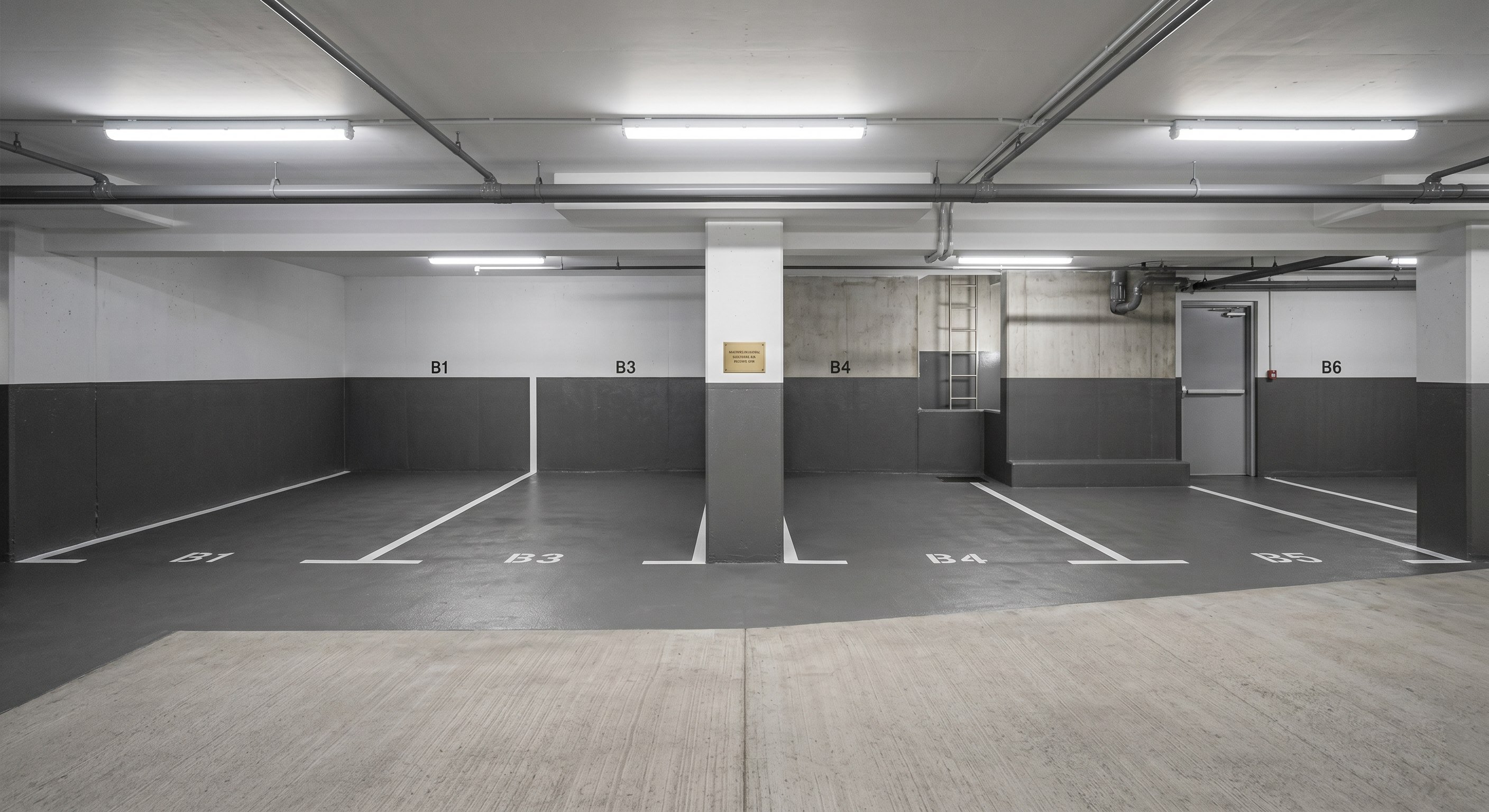
Oil interceptors, brine decks, and sprinkler testing change chemical risk for each space. Facility inputs go into a short risk register so specification matches how those rooms are actually used and cleaned.
Related scope: Upper roof waterproofing
Phase 03 / Handover
Night-only working and low-odour systems met infection-control constraints while maintaining emergency plant access.
Fast leaks need grout, injection, or relief drainage before membranes see constant head. Skipping active-water control is the usual reason a tanking file fails in the first wet season after handover.
Oil interceptors, brine decks, and sprinkler testing change chemical risk for each space. Facility inputs go into a short risk register so specification matches how those rooms are actually used and cleaned.
Membranes need sacrificial screeds, careful backfilling, and sump checks where designed. Handover includes what to watch after occupancy, sump run hours, alarm tests, and who to call before a small leak becomes a lift shutdown.
Related scope: Joint sealing for parking slabs
Technical answers for procurement teams, trustees, and facility managers in Gauteng.
Often remedial projects must. Feasibility depends on wall construction, water load, and engineer design, Maverick implements specified systems.
Used where specified for new concrete or remedial systems. Not a universal fix for active defect networks alone.
Engineered systems manage risk to defined performance criteria. Absolute guarantees are avoided; maintenance and drainage matter.
Where programmes and neighbours allow, positive-side work may be advised, each site differs.
Protection boards, sacrificial screeds, and sequencing notes are part of QA packs.
Flood or hose testing may be specified post-cure; holiday detection applies to sheet systems.
Our Unbeatable Guarantee
Unlike standard contractors who rely on biased, in-house quality checks, we use a trusted, independent third-party QA company on all projects. This is our commitment to verifiably superior quality.
A dedicated project manager and the independent body conduct an on-site assessment to determine the correct coating system and technical specification required for your specific asset.
The independent company performs continuous application inspections at every critical stage (surface prep, primer, film thickness) to ensure manufacturer requirements are met before the final coat.
You receive bi-weekly progress and substrate reports providing a complete, recorded history of the project. This delivers objective proof of quality and total peace of mind for trustees and facility managers.
Verifiable Proof of Quality
Ready for Verifiable, Zero-Risk Quality?
Contact us today to schedule an on-site assessment and receive your substrate-specific specification.